
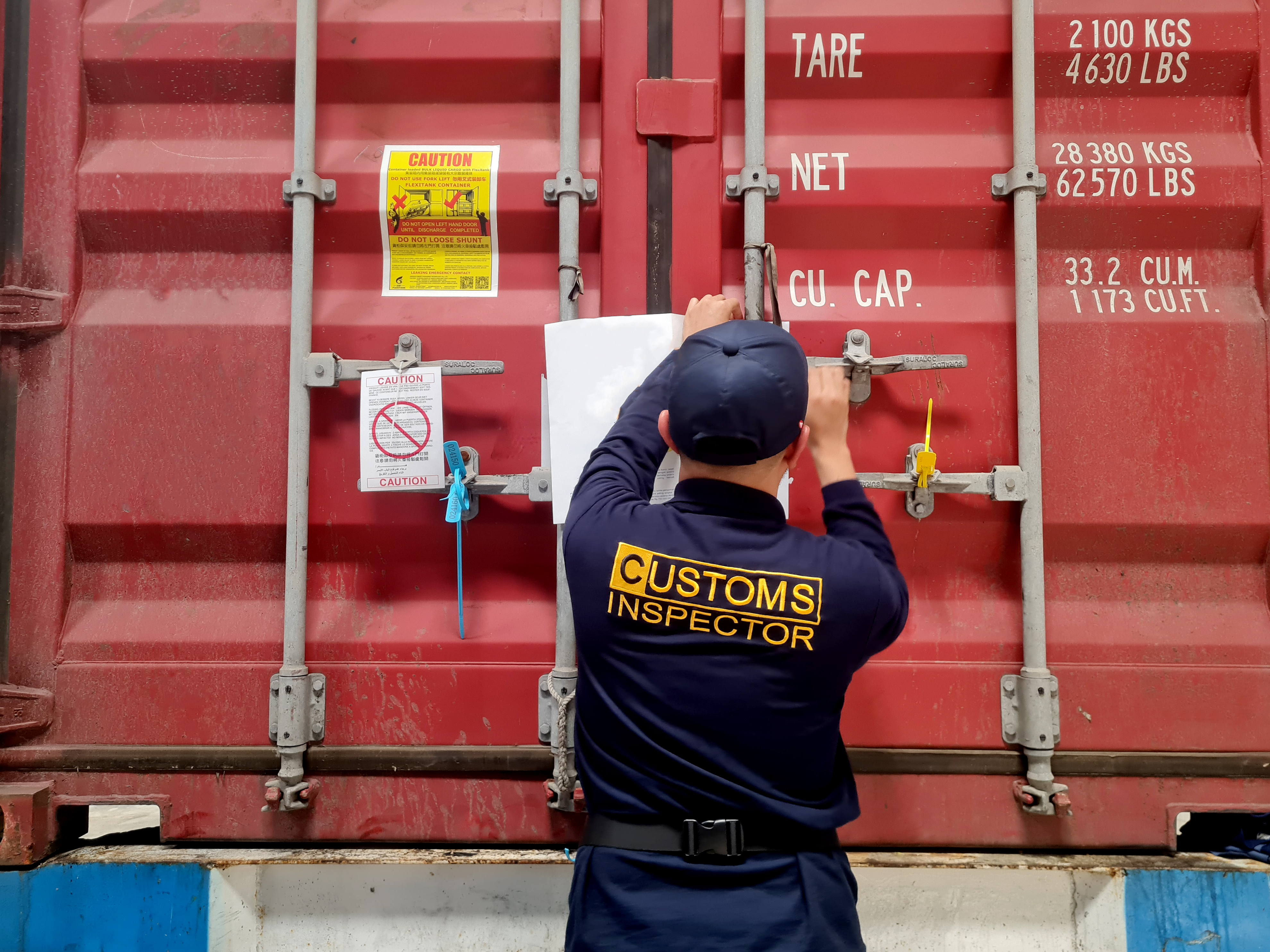
In a surprise move on July 31, 2025, the U.S. announced a new Anti-Circumvention Rule that upends long-standing supply chain strategies used to minimize tariff exposure. This executive order—effective August 7—imposes a flat 40% penalty tariff on goods transshipped through third countries if U.S. Customs and Border Protection (CBP) determines the routing was intended to evade tariffs.
Unlike typical trade policy shifts, this rule comes with no possibility for penalty mitigation, no phased rollout, and applies retroactively to any shipments not already en route. The result? Global shippers, logistics providers, and importers are now scrambling to understand how origin tracing works, how “intent to circumvent” is determined, and what enforcement looks like.
This post breaks down what the rule entails, who is at risk, and how to prepare.
What Is the Anti-Circumvention Rule?
Formally established through Executive Order 14257 and implemented by CBP, the Anti-Circumvention Rule targets intentional transshipment practices that disguise the true country of origin to avoid tariffs under the new reciprocal tariff regime. It’s not the act of transshipping that is punished—but why it’s done and whether it’s used to sidestep duties.
- Penalty Tariff: A flat 40% ad valorem duty is imposed on goods found to have been routed through third countries to avoid applicable tariffs. This replaces the standard tariff rate that would have applied if the origin were declared correctly.
- No Mitigation: CBP cannot reduce, waive, or negotiate the penalty; even in cases of first-time offenses or procedural misunderstanding.
- Legal Backing: The rule draws from both U.S. tariff law and longstanding anti-circumvention frameworks under Sections 301 and 1592 of the U.S. Code.
It applies to all U.S. imports arriving on or after August 7, 2025, with a short exemption period for in-transit goods ending October 5.
Key Provisions and Enforcement Mechanics
The Anti-Circumvention Rule operates on a zero-tolerance framework. It introduces one of the most aggressive tariff enforcement structures ever implemented by the U.S. with little room for negotiation or flexibility. Here’s how it works in practice:
🔹 40% Flat Penalty Tariff: Applied to the full shipment value, replacing any standard tariff that would have applied under normal origin claims.
🔹 Aggressive Audits & Detentions: CBP may issue Withhold Release Orders (WROs) or detain goods pending an origin investigation, leading to supply chain delays and added documentation burden.
In short, this policy does not just raise costs but significantly raises risk exposure for any party involved in complex or multi-country shipping routes.
How CBP Determines Intent and Origin
CBP’s enforcement focus is not on stopping all transshipment; only on punishing cases where the primary intent of the routing was to evade tariffs. This makes enforcement fact-intensive and evidence-driven.
CBP evaluates multiple factors to determine intent:
- Documentation Patterns: Does the routing look unusual? For example, sudden volume shifts from China to Vietnam after tariff changes.
- Nature of Processing: Was there meaningful transformation in the third country? Or only superficial changes like labeling or packaging?
- Trade Flow Analysis: Does data show a spike in third-country exports mirroring tariff hikes on the original country?
- Inconsistent Records: Do invoices, certificates, or bills of lading contradict each other regarding origin?
- Timing Signals: Were goods routed through new hubs right after tariff hikes, without a clear operational reason?
To prove compliance, importers may be asked to supply:
- Supplier affidavits and factory certifications
- Export declarations from the original country
- Transport and consolidation records
- Digital supply chain logs or blockchain trail data
- Scientific analysis (e.g., isotopic or chemical testing)
⚠️ Important: Even legitimate transshipment could be penalized if documentation is poor or inconsistent. Importers and LSPs must be prepared to “tell the full story” of a shipment’s journey to avoid triggering red flags.
Countries and Routes Under Scrutiny
Although the Anti-Circumvention Rule applies globally, enforcement is clearly geared toward known transshipment hubs and historical evasion routes. Several countries are already under heightened scrutiny based on prior trade circumvention cases and post-tariff trade pattern shifts.
🚩 Countries Under Watch:
- Vietnam & Malaysia: Both have been linked to past U.S. antidumping circumvention in sectors like solar panels, aluminum, and electronics. Their volume spikes post-China tariffs now draw further attention.
- United Arab Emirates (UAE): A key transshipment and repackaging hub for Asian-origin goods, especially in automotive and steel components.
- Thailand, Singapore, Indonesia: Increasing use as intermediary stops for cargo originating in high-tariff countries.
- Mexico & Canada: Proximity and trade pacts make them popular rerouting candidates—particularly for avoiding duties on Chinese goods.
🔎 CBP and Commerce now conduct:
- Country-wide investigations under 19 CFR § 351.226 (circumvention inquiries)
- Import trend analysis via ACE and USITC datasets
- Targeted port surveillance at major consolidation hubs
This geographic targeting doesn’t mean all exports from these countries are suspect. But LSPs moving goods through them should exercise maximum compliance diligence.
Compliance Risks and Operational Fallout for LSPs
The Anti-Circumvention Rule introduces a new layer of operational uncertainty and liability for logistics service providers (LSPs), especially those managing multimodal or cross-border consolidation networks.
🎯 Key Risk Areas for LSPs:
- Origin Misstatements: If origin is declared based on the last country of transit—not production—LSPs could be implicated if penalties are later assessed.
- Document Gaps: Missing affidavits, non-matching invoices, or loosely worded supplier declarations may all lead to shipment detention or penalties.
- Contractual Exposure: Without origin-warranty clauses in contracts, LSPs could be held financially liable for client misdeclarations.
🛠️ Operational Fallout:
- Longer Lead Times: Pre-clearance of origin documents, supplier audits, and CBP inspections add time to routing and booking.
- Additional Fees: Customs brokers and LSPs are already charging surcharges for “origin validation” services, often $100–$200 per entry.
- Client Confusion: Many small-to-mid shippers are unaware of the rule, leading to sudden disputes over costs or delivery timelines when shipments are held.
For LSPs, this is a moment to shift from transactional freight coordination to being a trusted compliance advisor. Proactively managing origin proof, revising contracts, and training frontline teams are no longer optional.
Strategic Compliance Playbook for Shippers & LSPs
With the Anti-Circumvention Rule now in force, every logistics player involved in U.S.-bound trade must treat origin transparency as a strategic priority. Below is a practical compliance playbook tailored for both shippers and logistics providers navigating the new enforcement climate:
1. Build Bulletproof Documentation Trails
- Collect supplier affidavits, factory audits, and export declaration records up front—before shipment departure.
- Ensure all commercial invoices, packing lists, and bills of lading consistently reflect the correct country of origin.
- When using transshipment hubs, clearly document the operational necessity (e.g., port constraints, consolidation).
2. Strengthen Contractual Risk Controls
- Include origin-warranty and indemnification clauses in client and supplier contracts.
- Secure the “right to audit” documentation from upstream partners.
- Define who bears cost and liability if shipments are held or penalized under the anti-circumvention rule.
3. Train Teams on Enforcement Triggers
- Educate staff on what constitutes suspicious routing or insufficient processing.
- Build internal checklists for high-risk trade lanes, routing anomalies, or incomplete origin records.
- Coordinate across ops, sales, and customer service to handle compliance-related customer inquiries.
4. Implement Visibility Tech
- Use real-time track-and-trace tools that log each routing segment.
- Adopt systems that generate origin documentation archives for every shipment.
- Consider blockchain-backed traceability for high-risk products (e.g., electronics, steel, solar components).
This isn’t just a legal requirement; it’s a reputational and commercial safeguard. Proactive compliance means fewer disruptions, faster clearances, and lower penalty risk.
A New Era of Origin Accountability
The U.S. Anti-Circumvention Rule marks a fundamental shift in how global supply chains are regulated, monitored, and pezznalized. With a flat 40% penalty, no mitigation pathway, and aggressive enforcement tactics, the burden of origin proof has never been higher.
For shippers and LSPs alike, the message is clear: origin integrity is now operational currency. Those who adapt quickly—by upgrading due diligence, deploying tech tools, and reengineering routing strategies—will remain competitive and compliant. Those who don’t risk steep penalties, delayed cargo, and lost client trust.

📌 Key Questions About the Anti-Circumvention Rule (Answered)
❓ What is considered “circumvention” under the new U.S. rule?
CBP defines circumvention as transshipping goods through third countries with the primary intent of avoiding tariffs, not for legitimate logistical or production reasons. Even minor repackaging or re-routing may be flagged if not properly justified.
❓ What is the penalty for tariff circumvention?
Goods found to have been transshipped with the intent to evade tariffs are subject to a 40% ad valorem penalty—with no possibility of mitigation or remission, even if the original tariff would’ve been lower.
❓ How does CBP determine intent to circumvent?
CBP uses a combination of red flags such as:
- Suspicious routing through transshipment hubs (e.g., Vietnam, UAE)
- Minor or no value-added processing in third countries
- Sudden spikes in shipment volume after new tariffs are imposed
- Poor or inconsistent documentation
They may also request supplier affidavits, production evidence, and transport records to verify origin.
❓ Are legitimate transshipments penalized?
No. CBP distinguishes between operational transshipment and strategic evasion. Goods rerouted due to connectivity, scheduling, or real manufacturing should not be penalized—as long as documentation supports it.
❓ How should LSPs and importers prepare?
- Audit routing practices and origin documentation
- Update service contracts with origin-warranty clauses
- Implement origin-due-diligence processes
- Monitor CBP and Commerce bulletins for flagged hubs
- Use real-time visibility tools to maintain traceability
📚 References & Further Reading
- Dimerco – U.S. Tariff Update (Aug. 1, 2025)
- White House – Executive Order: Reciprocal Tariff Modifications (July 31, 2025)
- Trade Compliance Resource Hub – Trump 2.0 Tariff Tracker
- Metal.com – Executive Order on Tariff Adjustments
- Reuters – U.S. firms demand crackdown on tariff-evading importers
- CBP Guidance – Origin Tracing and Documentation
- 19 CFR § 351.226 – Circumvention Inquiries
- ASL Gate – Anti-Circumvention Policy Shift
- International Trade Insights – Antidumping Enforcement Trends
- White & Case – Commerce Department’s Southeast Asia Ruling
- Time – Transshipping in U.S. Trade
- Chambers – International Fraud & Asset Tracing 2025
Why overpay for visibility? TRADLINX saves you 40% with transparent per–Master B/L pricing. Get 99% accuracy, 12 updates daily, and 80% ETA accuracy improvements, trusted by 83,000+ logistics teams and global leaders like Samsung and LG Chem.


Prefer email? Contact us directly at min.so@tradlinx.com (Americas) or henry.jo@tradlinx.com (EMEA/Asia)



Leave a Reply