
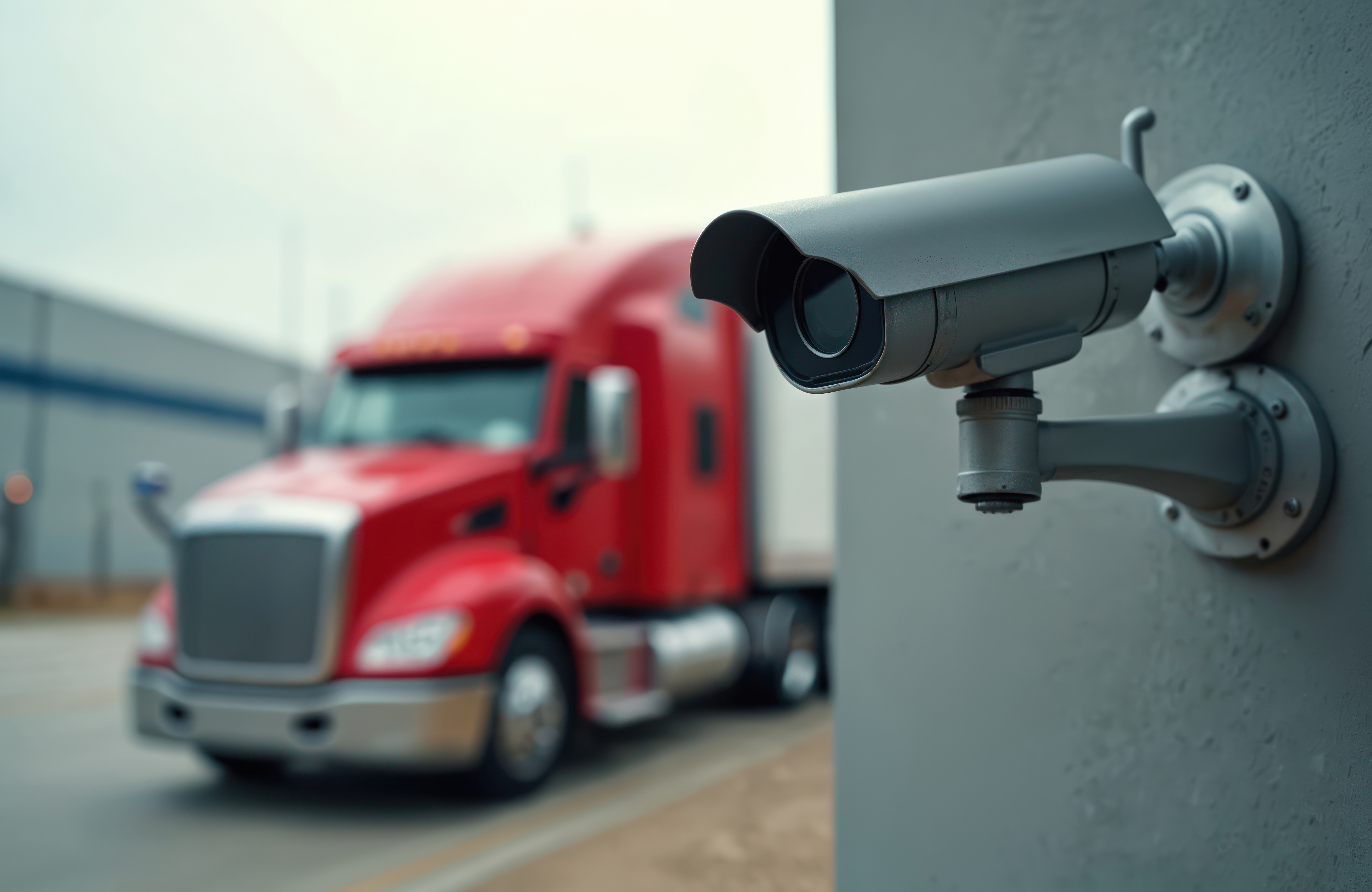
In November 2025, UK forwarders and carriers saw freight crime pushed high enough up the agenda that TAPA EMEA and BIFA formalised a partnership focused on intelligence sharing and stronger security standards. In the same month, Mexican truckers blocked key highways in a nationwide protest over rising cargo crime and violence. These are not isolated local stories. They are symptoms of a wider pattern: freight crime is rising, it is more organised, and it is starting to shape how networks and contracts are designed for 2026.
This article is not about cataloguing every incident. It is written for LSPs and cargo owners who see these headlines and want a practical way to answer one question: “Are we treating freight crime as a structured risk, or as occasional bad luck?” The checklist below is a way to turn global headlines into specific actions on lanes, customers, and data.
TL;DR: Freight Crime In 2026 Is A Management Problem, Not Just A Security Story
- Freight crime is rising in value and changing in style. Theft is shifting toward higher value cargo, identity fraud, and attack points outside large, well protected facilities.
- Your risk is highly lane specific. Certain corridors, commodities, and nodes in your network carry most of your exposure. A generic global policy will not be enough.
- The most effective controls are often operational, not high tech. Secure parking, vetted partners, tighter handoff processes, and shorter unplanned dwell can cut risk significantly.
- Visibility data matters. Container and truck timelines help you see where cargo sits unattended, document incidents, and support insurance, claims, and customer communication.
1. What The Headlines Are Really Saying
Recent news is a useful signal, even if your own network has not seen a major loss.
- In the UK, freight crime has risen enough for the Transported Asset Protection Association (TAPA EMEA) and the British International Freight Association (BIFA) to formalise a partnership focused on intelligence sharing and security support for members.
- Across EMEA, cargo crime intelligence systems now log tens of thousands of incidents per year, with average daily losses that reach into the millions of euros when large cases are included.
- In North America, logistics theft incidents rose sharply in 2024, with industry reports citing thousands of recorded cases and estimated annual losses that may exceed 1 billion USD once under reporting is considered. Identity based fraud, where criminals impersonate legitimate carriers or brokers, has become a significant share of cases.
- In Mexico, truckers have staged nationwide protests and road blockages to demand better protection from highway crime and extortion, highlighting security as a core operational issue on key road corridors.
The message for forwarders and cargo owners is simple. You do not need to operate in every hotspot to be affected. If you use European hubs, North American inland legs, or Latin American corridors, freight crime is part of your risk picture. The question is whether you can describe that risk clearly and show how you are managing it.
2. Map Your Exposure By Lane And Commodity
Start by making freight crime as concrete as your demurrage and detention exposure. You do not need perfect data to get useful insight.
- List your top trade lanes by value, not volume. Focus on door to door routes where cargo value per shipment is high or where you consistently move sensitive commodities.
- Identify obvious risk multipliers. Examples include high theft regions on the road leg, long drayage distances from port to warehouse, or chronic congestion around key gateways.
- Mark special cargo types. Electronics, pharmaceuticals, metals, food and beverage, and branded consumer goods are common targets. Note where you move these on mixed or shared equipment.
- Overlay what you already know. Past incidents, near misses, and carrier feedback often point to the same handful of yards, parking locations, or corridors.
This does not need to be a six month project. A one or two day internal workshop that combines operations, sales, and risk or insurance can usually produce a first map that is far more useful than a generic red yellow green global risk chart.
3. Tighten The Basics Where Crime Actually Happens
Most freight crime still targets cargo when it is stationary or lightly supervised. That means yards, parking areas, unsecured cross docks, and predictable overnight stops.
- Review your regular parking and staging locations. On high risk lanes, avoid ad hoc roadside parking and use secure parking areas where available. For recurring flows, push for fenced, lit yards with controlled access and CCTV.
- Check whether your facilities align with common security standards. TAPA Facility Security Requirements (FSR), Trucking Security Requirements (TSR), and Parking Security Requirements (PSR) provide concrete checklists you can adapt, even if you do not seek formal certification.
- Reduce predictable patterns. Fixed arrival times and routine overnight stops at the same locations make targeting easier. Small changes in routing, schedules, and staging can make cargo less predictable to would be thieves.
- Look at your subcontractor chain. Some of the weakest points are small carriers that work under your larger subcontractors. Make sure basic security expectations are passed down clearly, not just assumed.
None of these actions require new technology. They do require that someone owns security outcomes for specific lanes, not just for the company as a whole.
4. Treat Carrier Identity As A Security Control
One of the fastest growing freight crime patterns is identity based theft. Criminals impersonate legitimate carriers or brokers, accept tenders, and simply never deliver the cargo. These attacks often leave no broken lock or damaged seal, but the loss is just as real.
- Standardise carrier onboarding and verification. Before you tender loads, verify that the company, contact person, bank details, and domain names match official records, not just a logo on a website.
- Limit last minute substitutions. Treat requests to change carrier, tractor, or driver at short notice as a red flag, especially on high value loads. Have a clear process for verifying any changes.
- Guard access to your own systems. If criminals can gain access to your TMS credentials or rate platforms, they can harvest load data and impersonate your partners more easily.
- Align with shippers on process. Make sure your customers understand that strong identity checks are part of your service, not an operational delay.
For many forwarders, this is now as important as physical locks and seals. It also intersects with the way you manage user access, passwords, and vendor master data internally.
5. Use Visibility And Dwell Time To Shrink Crime Windows
Most cargo is not stolen while it is moving steadily. It is stolen when it is parked in the wrong place for too long, or when a delay forces an unplanned overnight stay in a high risk area. That makes good visibility a security tool as well as a service tool.
- Track where loads actually dwell, not just where they should dwell. Use container and truck events to see how long shipments sit at ports, terminals, yards, and cross docks before they move again.
- Look for repeated long dwell in the same nodes. If certain yards, depots, or inland hubs consistently show long delays, ask whether they are also security weak points.
- Set alerts for unscheduled stops and extended dwell. On high risk lanes, configure alerts that trigger when a load stops in an unexpected location or remains stationary beyond a defined threshold.
- Use data to justify changes. Visibility reports that show long and unnecessary dwell make it easier to win support for schedule changes, different routes, or more secure staging points.
Even if you cannot add escorts, smart locks, or advanced sensors, reducing unplanned dwell in exposed locations is one of the most cost effective ways to cut risk.
6. Build A Simple Incident Playbook
When freight crime happens, the first hours matter. A clear internal playbook turns a chaotic situation into a managed one and improves the quality of evidence you can provide later.
- Define roles before an incident. Decide who is responsible for customer communication, who contacts law enforcement, who talks to insurers, and who gathers operational data.
- Standardise what you capture. At minimum, log shipment identifiers, locations and times of last known secure custody, all relevant event timestamps, driver statements, photographs, and any CCTV references.
- Know which authorities and industry bodies to contact. In some regions, specialist cargo crime units or associations can support investigations if they are involved early.
- Run a brief post incident review. Focus on what you could realistically change: routing, partner choice, staging practices, and communication thresholds.
Over time, these reviews will refine your risk map and feed into the checklist items above. They also demonstrate to customers and insurers that you take security seriously and learn from each case.
7. Communicate Risk With Customers Without Creating Panic
Shippers and cargo owners are reading the same headlines that you are. The goal is not to scare them with worst case scenarios, but to show that you understand the risk and have a plan.
- Be candid about where risk is higher. For example, explain that certain road corridors or cross border routes have more reported crime and that you apply stricter controls there.
- Explain the trade offs you manage. Some measures improve security but may add cost or time. Help customers understand why a slightly longer route or stricter staging rules are in their interest.
- Make security part of your value proposition. Instead of treating it as a separate topic, show how your network design, partner selection, and visibility tools are aligned to protect their cargo.
- Avoid promising zero risk. Focus on transparency, preparedness, and rapid response rather than guarantees that no one can realistically give.
This kind of communication positions you as a partner who manages real world risk, not just a rate provider.
8. Where Visibility Fits In Your Freight Crime Toolkit
Visibility tools like TRADLINX is not a lock, a guard, or a police unit. It will not stop a thief from cutting into a container. What it can do is give you cleaner, faster data about where your containers really are and how they move through your network.
- Standardised timelines across carriers. TRADLINX Ocean Visibility unifies carrier events and AIS positions into a single shipment timeline. That makes it easier to see when containers are dwelling longer than expected in specific ports, yards, or transhipment points.
- Lane and node level analytics. When you combine shipment timelines with your own incident log, you can identify which ports, terminals, or hinterland legs create the longest and most exposed dwell windows.
- Faster evidence when something goes wrong. In a theft or suspected fraud, having a clear record of vessel events, handover points, and arrival or gate out times helps you support claims, investigations, and internal reviews.
- Alignment with your wider risk work. The same data you use for demurrage, detention, and service quality analysis can support security decisions. You do not need a separate data pipeline to start.
If your team is already using TRADLINX to manage service performance and exception handling, the next step is straightforward. Use the timelines and lane views you have today to ask a new set of questions about where freight crime risk is concentrated and what you can change in the next six to eighteen months to reduce it.

References
- Breakbulk: UK Freight Faces €72M Losses: TAPA EMEA–BIFA Alliance Signals Urgent Crackdown on Cargo Crime (November 2025), reporting on TAPA EMEA and BIFA collaboration to tackle rising freight crime in the UK, with over 5,865 cargo crime incidents recorded in two years resulting in €72 million in losses.
- TT Club: BSI Consulting and TT Club 2024 Cargo Theft Report (April 2025), summarising global cargo theft analysis revealing that food and beverage products represent 22% of stolen cargo, 76% of thefts involve trucks, 21% involve hijackings, and strategic theft using AI-enabled bill of lading manipulation is a growing trend.
- New York Post: Crime Rings Attack US Supply Chain at Record Rates Using This Sneaky Tactic (May 2025), citing Verisk CargoNet data showing 3,798 cargo theft incidents in 2024 (a 26% year-over-year increase), with reported losses near $455 million and criminal networks traced to 32 countries using social engineering tactics on freight load boards.
- Yahoo News: Widespread Blockades Snarl Highways Across Mexico (November 2025), reporting on farmers and carriers blocking Mexican highways in November 2025 to demand greater security and subsidies, with 54–70 truck thefts reported daily across 20+ states and demands for elimination of corrupt checkpoint practices.
- TAPA EMEA: Standards and Trainings (accessed November 2025), providing information on TAPA EMEA security standards including FSR (Facility Security Requirements), TSR (Trucking Security Requirements), PSR (Parking Security Requirements), and CSS (Cyber Security Standard) for freight and supply chain protection.
Why overpay for visibility? Tradlinx saves you 40% with transparent per–Master B/L pricing. Get 99% accuracy, 12 updates daily, and 80% ETA accuracy improvements, trusted by 83,000+ logistics teams and global leaders like Samsung and LG Chem.


Prefer email? Contact us directly at min.so@tradlinx.com (Americas), sondre.lyndon@tradlinx.com (Europe) or henry.jo@tradlinx.com (EMEA/Asia)




Leave a Reply