
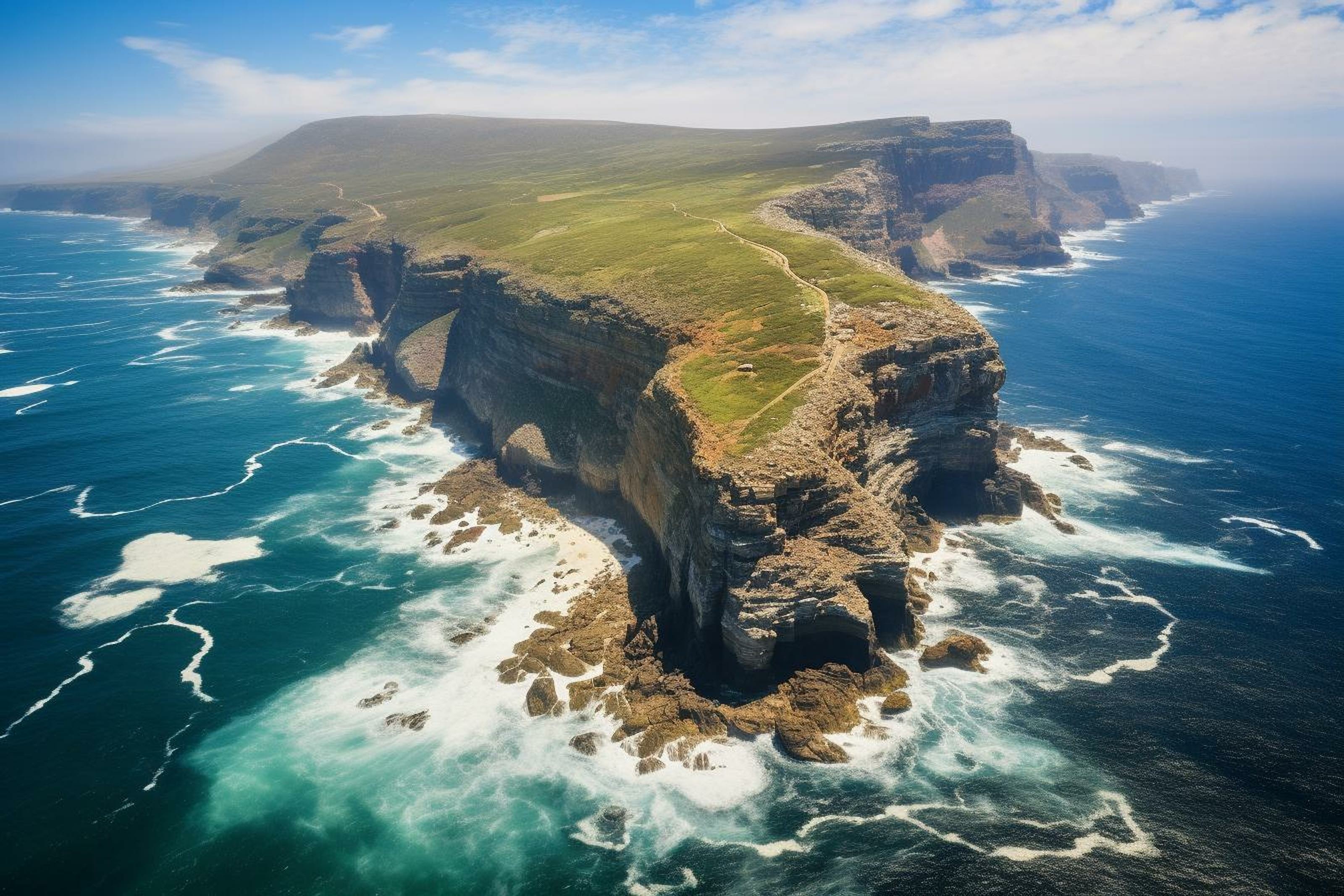
A Brief History of the Cape of Good Hope
The Cape of Good Hope is re-emerging as a critical route in logistics, addressing challenges such as geopolitical tensions, congestion at key maritime chokepoints, and rising operational costs. This article explores the strategic advantages of this historic maritime passage and why it is gaining renewed attention from logistics experts around the world.
Pioneering Pathways in Early Global Trade
The Cape of Good Hope, nestled at the southern tip of Africa, was the original route of global trade. During the birth of global maritime commerce, pioneering explorers like Vasco da Gama rounded the Cape in 1497, opening up a sea route to India that became a cornerstone of international trade. This route served as the lifeblood of the spice trade, the gold rush, and countless other commercial ventures for over four centuries. Navigating these uncharted waters led to the discovery of new lands and established the Cape as a critical junction in global shipping and commerce.

Impact of the Suez Canal
When the Suez Canal was introduced in 1869, it marked a significant downturn in the prominence of the Cape of Good Hope. This artificial waterway cut through the Isthmus of Suez, drastically reducing travel time between Europe and Asia. Ships could now bypass the Cape, saving about 7,000 kilometers in voyage distance, cutting transit time by 10 to 15 days, and reducing fuel costs by up to 40%.
These efficiencies sparked a new wave of global trade, enabling more frequent voyages and increased trade volumes. The reduced travel time and costs allowed goods to be transported more quickly and cheaply, leading to lower prices for consumers and higher profits for merchants. This shift transformed global trade patterns, making the Suez Canal a vital artery of commerce and diminishing the Cape’s role in maritime logistics. By the late 19th century, the Suez Canal was handling a substantial portion of global maritime trade, significantly shifting trading patterns. The Cape of Good Hope, once the premier route for global trade, saw a decline as the canal became the preferred path for international shipping. This transition marked the beginning of a new era in maritime logistics, where speed and efficiency took precedence, shaping the modern world of commerce.

From Historic Route to Modern Logistics Lifeline
Fast forward to today, and the Cape of Good Hope is making a comeback. For logistics professionals, the Cape offers a reliable, if longer, route that can be a lifesaver during times of crisis. While it’s not the default choice for most commercial shipping due to its extended travel time, it’s a crucial part of the strategic toolkit for managing risks and ensuring the timely delivery of goods.
Geopolitical Tensions and Safety Concerns
Recent incidents like the Ever Given blockage in the Suez Canal have reminded us all of the vulnerabilities of relying too heavily on a single route. With incidents of piracy and conflict, shipping companies are increasingly rerouting their vessels to avoid these dangerous waters. As geopolitical tensions escalate in the Red Sea region, the Cape of Good Hope emerges as a safer alternative. The Cape offers a secure passage, ensuring the safety of both cargo and crew. When the canal is congested or geopolitically unstable, the Cape of Good Hope becomes a vital alternative, ensuring that global trade keeps flowing smoothly.
Economic and Operational Adjustments
While the Cape of Good Hope provides a safer alternative, it also comes with increased transit times and higher operational costs. Companies like Maersk are investing in faster vessels and improved logistics to offset these challenges. However, the overall rise in freight rates is an unavoidable consequence of the longer route and increased demand
In essence, the Cape of Good Hope is more than just a historical footnote; it’s a dynamic and essential component of today’s global logistics landscape. By understanding its role and potential, logistics professionals can better navigate the complexities of international trade.

Riding the Next Wave of Innovation
As the Cape of Good Hope reclaims its significance in global trade, logistics professionals are witnessing a historic shift. Just as the Suez Canal once transformed maritime routes, new technologies are now revolutionizing supply chain management. With features such as real-time tracking, visualization of cargo and vessel movement routes, automatic shipment information updates, and predictive lead time management, TRADLINX Ocean Visibility is leading the next wave of innovation in global logistics.
Leverage TRADLINX Ocean Visibility to empower your supply chain operations. Embrace this pivotal moment and ensure your operations are seamless and transparent.

Sources
- History.com. Suez Canal Opens
- Britannica. Suez Canal
- Container News. 80% of all container ships on Suez route divert to Cape of Good Hope
- Marine Link. CMA CGM To Reroute Some Of Its Ships Via Cape Of Good Hope
- Maritime Gateway. Vessels rerouting through Cape of Good Hope at an all-time high
- Seatrade Maritime. Maersk turns around vessels redirected to Cape of Good Hope
- Africanews. Red Sea crisis spurs maritime traffic to Cape of Good Hope, boosting South Africa’s ports
- Maersk. Navigate supply chain disruptions with Maersk



Leave a Reply