
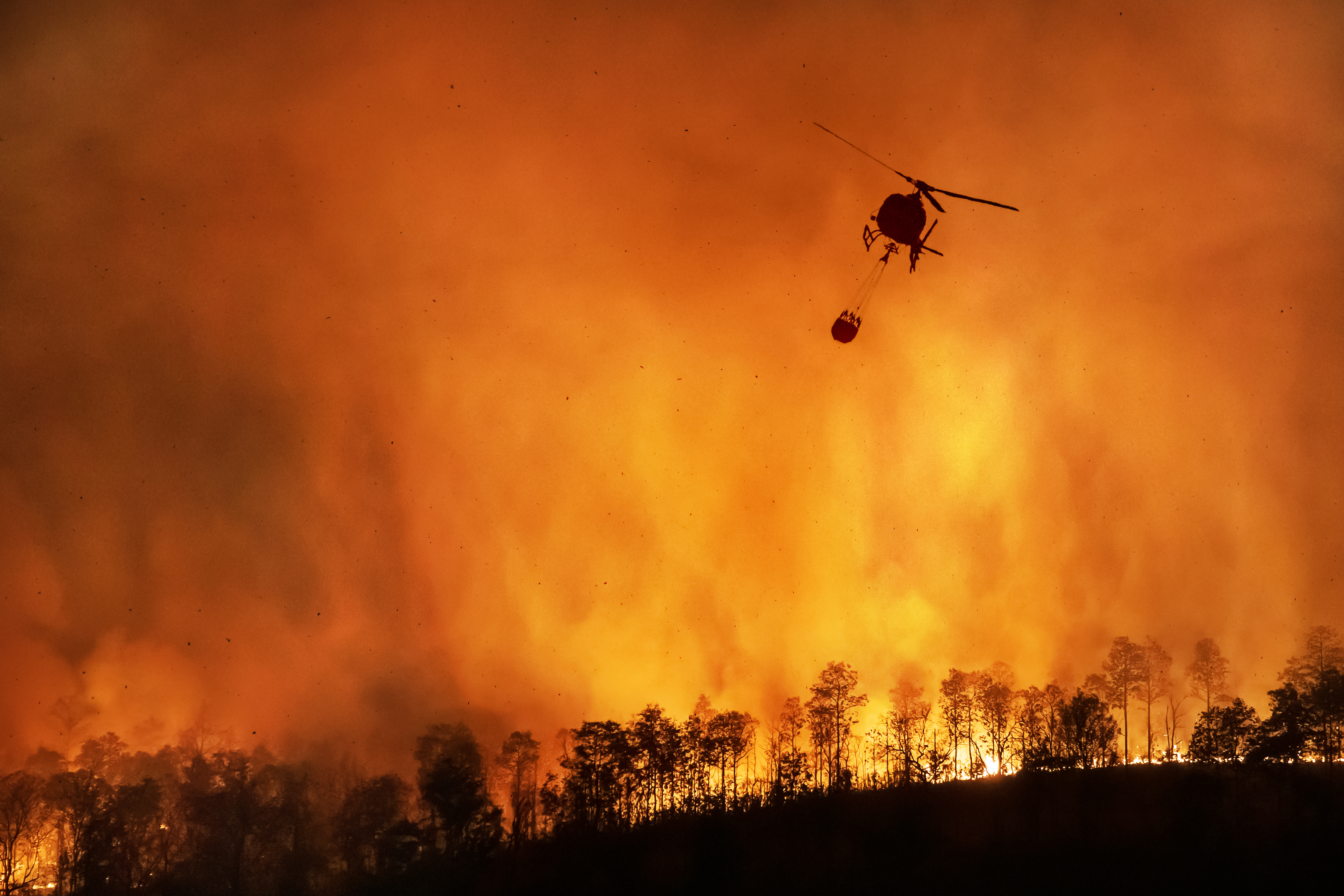
The devastating Los Angeles wildfires, which began on January 7, 2025, have caused significant disruptions across the logistics sector. With major transportation routes closed, warehouses evacuated, and supply chains strained, logistics service providers (LSPs) are navigating complex challenges to maintain operations and meet customer demands.
This guide offers a clear overview of the wildfire’s impact on logistics and provides practical strategies to help LSPs respond effectively during this crisis while strengthening their resilience for the future.
Key Impacts of the Wildfires on Logistics
Transportation Disruptions
- Road Closures: Major highways like the Pacific Coast Highway (PCH), I-405, and I-10 have been closed due to fire activity and smoke, forcing freight trucks to reroute, increasing transit times and costs.
- Air Freight Delays: Smoke-related visibility issues have disrupted air traffic at key airports, delaying cargo shipments.
- Port Access Challenges: While the Ports of Los Angeles and Long Beach remain operational, road closures and congestion have slowed cargo movement to and from these critical hubs.
Supply Chain Interruptions
- Warehouse Shutdowns: Distribution centers in affected areas are operating at reduced capacity or have shut down entirely due to evacuation orders.
- Material Shortages: Delays in shipping essential goods like food and medical supplies are exacerbating shortages, especially for agricultural products dependent on California’s supply chains.
Labor Shortages and Increased Costs
Evacuations and hazardous air quality have displaced workers, leading to labor shortages across warehousing, trucking, and manufacturing operations. At the same time, rising transportation costs from rerouting shipments, fuel surcharges, and higher insurance premiums are further straining logistics budgets.
Strategies to Mitigate Disruptions
- Real-Time Monitoring and Rerouting
- Use GPS tracking and real-time traffic data to adjust routes dynamically and minimize delays.
- Partner with local authorities to identify alternate, compliant routes for hazmat or oversized loads.
- Strengthen Communication Channels
- Maintain constant updates with drivers, clients, and emergency authorities to stay ahead of road closures or port delays.
- Use centralized dashboards to consolidate real-time supply chain visibility.
- Relocate Inventory
- Move critical goods from high-risk areas to safer warehouses outside the wildfire zone.
- Coordinate with partners to establish temporary storage solutions in unaffected regions.
Turning Challenges into Resilience
The Los Angeles wildfires serve as a reminder of the increasing frequency of climate-related disruptions. For logistics professionals, responding effectively to such challenges can build trust with customers and enhance long-term operational strength.
Here are actionable ways LSPs can turn immediate challenges into opportunities for resilience:
- Strengthen Customer Confidence: Communicating proactively with clients during disruptions—sharing real-time updates, setting realistic expectations, and resolving issues promptly—builds trust and demonstrates reliability in tough circumstances.
- Prioritize Emergency-Ready Operations: Use this time to refine disaster response plans, secure alternative routes and suppliers, and ensure all stakeholders are prepared for future crises. A well-prepared operation becomes a trusted partner during uncertain times.
- Reassess Logistics Infrastructure: Analyze areas of vulnerability in your supply chain. For example, diversifying supplier locations or integrating technology for real-time visibility can reduce exposure to risk and improve flexibility in future disruptions.
- Collaborate with Partners and Communities: Build stronger partnerships with 3PLs, local authorities, and emergency services to ensure faster responses and shared resources in crisis situations. This approach not only mitigates immediate impacts but strengthens your network for long-term success.
In an era where disasters like wildfires are increasingly common, being crisis-prepared is not just a necessity—it’s a competitive advantage. By implementing the strategies outlined in this guide, LSPs can strengthen their operations, build trust with clients, and position themselves as leaders in the logistics industry.

Every minute counts in logistics. TRADLINX Ocean Visibility saves time, cuts costs, and builds trust. Try it free or book a consultation today.


Leave a Reply