
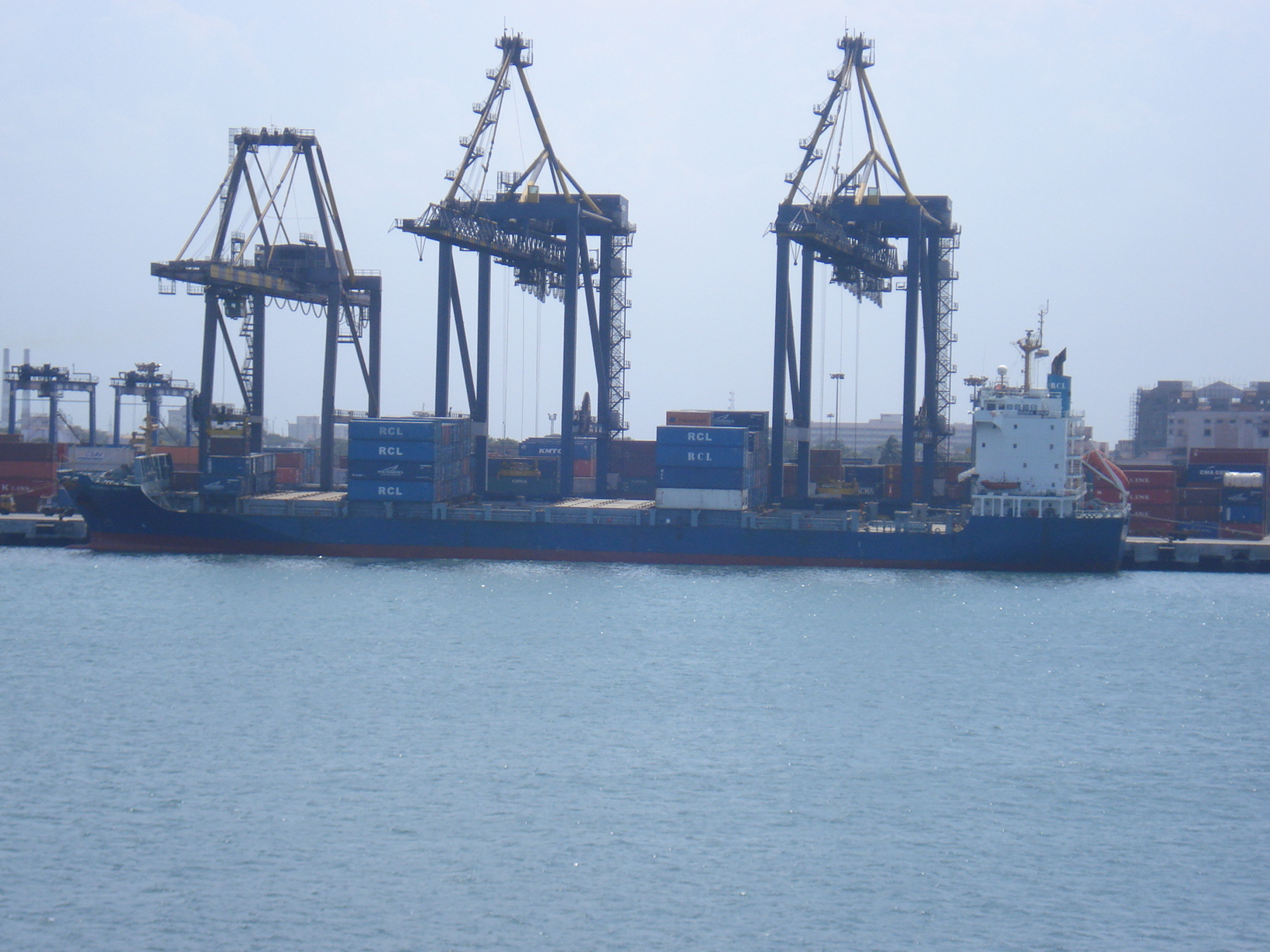
A major labor strike is set to begin at 12 of India’s key ports on August 28, 2024. Approximately 18,000 port workers are expected to halt operations in protest against the proposed Major Port Authorities Act 2023. This legislation, which the workers argue could lead to privatization, job losses, and unfavorable changes to working conditions, has triggered widespread unrest. Logistics Service Providers (LSPs) and forwarders working with these ports must act now to mitigate disruptions.
Strike Details:
- Start Date: August 30, 2024
- Workers Involved: Approximately 18,000 port workers
- Ports Affected:
- Mumbai
- Jawaharlal Nehru Port Trust (JNPT)
- Kandla
- Mormugao
- New Mangalore
- Cochin
- Chennai
- Tuticorin
- Visakhapatnam
- Paradip
- Kolkata
- Haldia
Background:
The strike comes in response to the Indian government’s push for the Major Port Authorities Act 2023, which aims to increase private sector involvement in port operations. Port workers fear this could lead to job cuts and significant changes in their working conditions. The workers’ unions have staged similar actions in the past, often leading to intense negotiations with the government. Currently, the Ministry of Ports, Shipping, and Waterways is in talks with union leaders to avert the strike, but no resolution has been reached yet.
Potential Impact on Your Supply Chains:
This strike could severely disrupt import and export activities across various industries, causing significant delays, increased costs, and potential rerouting challenges for LSPs managing shipments through these ports. Given India’s pivotal role in global trade, the ripple effects of such a large-scale disruption could be felt across the world.
Immediate Actions for LSPs:
- Monitor the Situation Closely: Stay updated on the latest developments regarding the strike and any potential resolutions. Regularly check industry news, government statements, and updates from port authorities to gauge the strike’s progression and duration.
- Communicate with Clients: Inform your clients immediately about the potential disruptions and delays in shipments passing through the affected Indian ports. Transparency is key to maintaining trust during such disruptions.
- Assess Impact: Evaluate which shipments and routes might be affected by the strike. Prioritize identifying critical cargo that could face delays and plan accordingly.
Contingency Planning:
- Identify Alternative Routes: Consider rerouting shipments through private ports or terminals that are not participating in the strike. Ports in neighboring countries or smaller, less congested Indian ports could serve as temporary alternatives.
- Prepare for Delays: Anticipate and plan for potential congestion and backlogs at the affected ports. This may include adjusting lead times, increasing buffer stock, and extending delivery windows where possible.
- Review Contracts: Check force majeure clauses and other relevant terms in contracts with clients and partners. Understanding your legal obligations and potential liabilities is crucial in managing expectations and mitigating disputes.
Operational Adjustments:
- Prioritize Critical Shipments: Identify and prioritize time-sensitive or high-value cargo for alternative handling. This may include expedited shipping methods or special arrangements to ensure critical deliveries are met.
- Adjust Schedules: Consider temporarily modifying shipping schedules to avoid peak strike periods. Rescheduling non-urgent shipments or delaying them until the situation stabilizes can help mitigate risks.
- Explore Other Transport Modes: For urgent shipments, consider air freight or land transport alternatives where feasible. While more costly, these options can bypass the disruptions at sea ports entirely.
Client Management:
- Provide Regular Updates: Keep your clients informed about the status of their shipments and any changes in plans. Regular communication will help manage expectations and reduce client anxiety during the strike.
- Offer Solutions: Proactively suggest alternatives or mitigation strategies to affected clients. Whether it’s rerouting, rescheduling, or shifting to different transport modes, offering concrete solutions can strengthen client relationships.
- Manage Expectations: Be transparent about potential delays and additional costs that may arise due to the strike. Clear communication about these challenges will help manage client expectations and maintain trust.
Next Steps:
- Evaluate Your Shipments: Assess the risk to current and upcoming shipments passing through the affected ports.
- Increase Lead Times: Adjust schedules and timelines to accommodate potential delays.
- Leverage Technology: Use Tradlinx’s real-time tracking and predictive analytics to navigate these disruptions effectively.
Stay ahead of the curve—ensure your supply chain is prepared for the upcoming disruptions. Contact us for more detailed insights and support.





Leave a Reply