
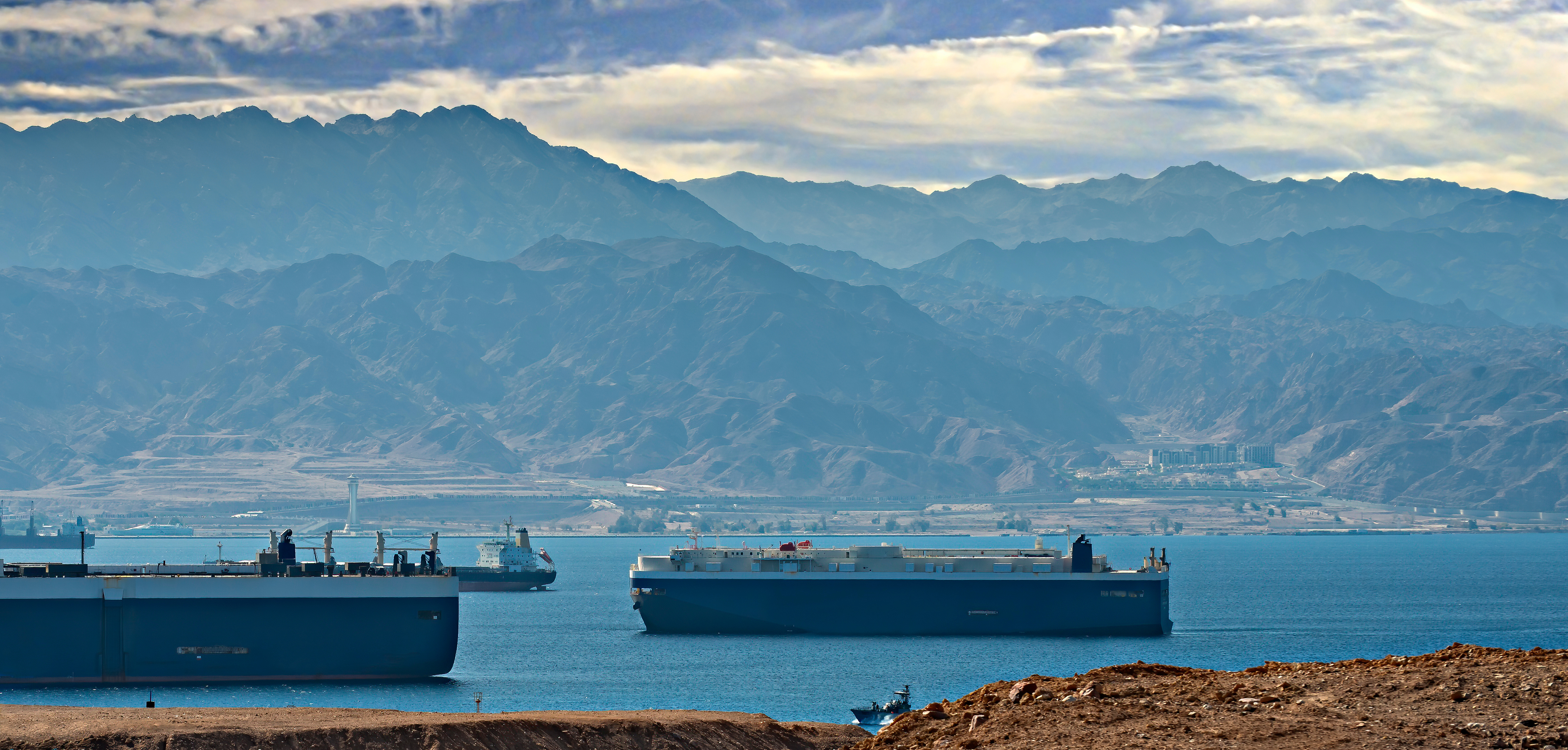
Supply-chain risk in the Middle East is no longer a background headline issue. This week’s escalation is operationally relevant because it hits three levers that move logistics fast: fuel costs, insurance availability, and route viability. Even if your cargo never touches the Gulf, the fuel and capacity effects can cascade into global schedules and costs.
What changed this week (in logistics terms)
- Strait of Hormuz transits are becoming commercially uncertain as Iran has said the route is “closed” and threatened to attack ships attempting to pass.
- War-risk insurance is becoming the binding constraint. When cover is withdrawn or repriced sharply, shipowners and carriers may pause transits even before any formal, enforceable closure exists.
- Some carriers are rerouting away from the Red Sea and Suez, extending transit times and tightening effective capacity.
- Energy markets are reacting, which typically feeds into bunker adjustment factors and multimodal surcharges.
For logistics teams, the key takeaway is this: disruption can happen through two mechanisms. One is physical risk to vessels. The other is commercial feasibility driven by insurance and security requirements.
How this can affect global supply chains (the mechanisms)
1) Fuel and surcharge transmission (fastest global ripple)
The Strait of Hormuz is a critical chokepoint for global oil flows, and Gulf LNG exports also depend on it. When risk spikes there, energy prices can rise quickly. That typically flows into:
- Ocean freight bunker surcharges (BAF type adjustments)
- Air freight fuel surcharges and tighter capacity if shippers mode-shift
- Inland rate pressure where diesel and energy-linked operating costs rise
Even shippers on lanes that do not touch the Gulf can feel cost pressure if fuel remains elevated.
2) Insurance as a stop signal (why “open water” can still be effectively closed)
War-risk insurance changes can halt shipping without a formal blockade. If P&I clubs or war-risk underwriters cancel cover for a listed region, or premiums jump sharply, many owners will not accept the transit risk.
Practical implication: your shipment can be delayed even when a route is physically passable, because carriers cannot secure acceptable cover or crews and charterers refuse the exposure.
3) Longer routings and capacity absorption (schedule reliability impact)
When carriers reroute services around the Cape of Good Hope instead of transiting the Red Sea and Suez, voyages take longer. Longer transit times absorb vessel capacity and can lead to:
- Blank sailings and service adjustments
- Rolled bookings as weekly strings lose slack
- Equipment imbalance as containers stay at sea longer
- ETA volatility that breaks appointment-based planning
4) Port and inland knock-ons (bunching and episodic congestion)
When schedules become less predictable, ports can experience arrival bunching. This can create short bursts of:
- Berth delays and yard congestion
- Gate and trucking bottlenecks
- Higher demurrage and detention exposure due to missed cutoffs and storage overruns
These effects often show up one to three weeks after major routing shifts, depending on lane and vessel cycle timing.
5) Trade compliance and payments friction (often overlooked)
Escalation tends to increase sanctions screening, document scrutiny, and payment friction for certain parties, flags, and routings. Even compliant cargo can be delayed if counterparties or banks reclassify risk.
What your operations team should do now (actionable checklist)
If you ship into or out of the Gulf (directly or via transshipment)
- Confirm war-risk cover status with your forwarder or carrier before cargo gates in. Ask what happens if cover is withdrawn mid-route.
- Pre-approve alternate discharge ports and inland routings for the same shipment, including customs and delivery implications.
- Lock escalation contacts for exceptions and holds, including who can authorize reroutes and added costs within hours, not days.
If you ship Asia to Europe (even with no Gulf exposure)
- Re-baseline lead times. Plan for longer routings and more variable ETAs.
- Expect higher roll risk. Book earlier, add buffer, and validate cutoffs close to departure.
- Protect downstream appointments with contingency windows for delivery, production, or promo launches.
If you run time-sensitive or high-value supply chains
- Define mode-shift rules in advance: which SKUs qualify for air, what cost threshold triggers action, and who approves.
- Segment inventory by criticality: not all stock needs the same buffer. Avoid blanket expediting.
- Review contract clauses covering rerouting, surcharges, war-risk, and force majeure so costs do not become a surprise.
What to monitor (simple indicators that predict disruption)
- War-risk insurance notices and effective dates for Gulf adjacent waters and Hormuz-linked transits.
- Carrier advisories on suspensions, reroutes, blank sailings, and safe-shelter instructions.
- Threat level updates from maritime security information centers and shipping market intelligence.
- Energy market moves that translate into bunker and fuel surcharge adjustments.
If you track only one operational metric, track ETA confidence. In this type of disruption, “late and uncertain” is more damaging than “late but stable.”
What to tell customers and internal stakeholders (a useful message template)
- What changed: Elevated risk and insurance constraints are reducing route reliability and effective capacity.
- What it means: ETAs may shift, some sailings may reroute or be rescheduled, and surcharges may change quickly.
- What we are doing: Validating cover and routing, adding buffers where needed, and prioritizing critical cargo with clear escalation paths.
- What we need from you: Confirm delivery flexibility and approve alternates early to avoid last-minute holds and storage charges.
Visibility note
In disruption weeks like this, the operational win is not perfect prediction. It is earlier detection of reroutes, port waiting time shifts, and changes in ETA confidence so teams can manage exceptions before they turn into demurrage, missed cutoffs, or stockouts.
If you are managing this risk across multiple lanes, Tradlinx helps teams monitor vessel movements and congestion signals and turn volatility into structured exception handling.

Further Reading
- Reuters: Iran vows to attack any ship trying to pass through Strait of Hormuz (Mar 2, 2026)
- Reuters: Marine insurers cancel war risk cover, tanker costs to rise as conflict intensifies (Mar 2, 2026)
- Maersk Advisory: Rerouting of ME11 and MECL service around the Cape of Good Hope (Mar 1, 2026)
- Lloyd’s Market Association: Joint War Committee and Listed Areas (reference)
- The Guardian: Maritime insurers cancel war risk cover in Gulf as conflict disrupts shipping (Mar 2, 2026)
Need help interpreting this disruption or your shipment?
For a quick question, chat with Tradlinx on WhatsApp. For a deeper discussion, book a time below.
Prefer email? Contact us directly at min.so@tradlinx.com (Americas), sondre.lyndon@tradlinx.com (Europe), or henry.jo@tradlinx.com (EMEA/Asia).




Leave a Reply