
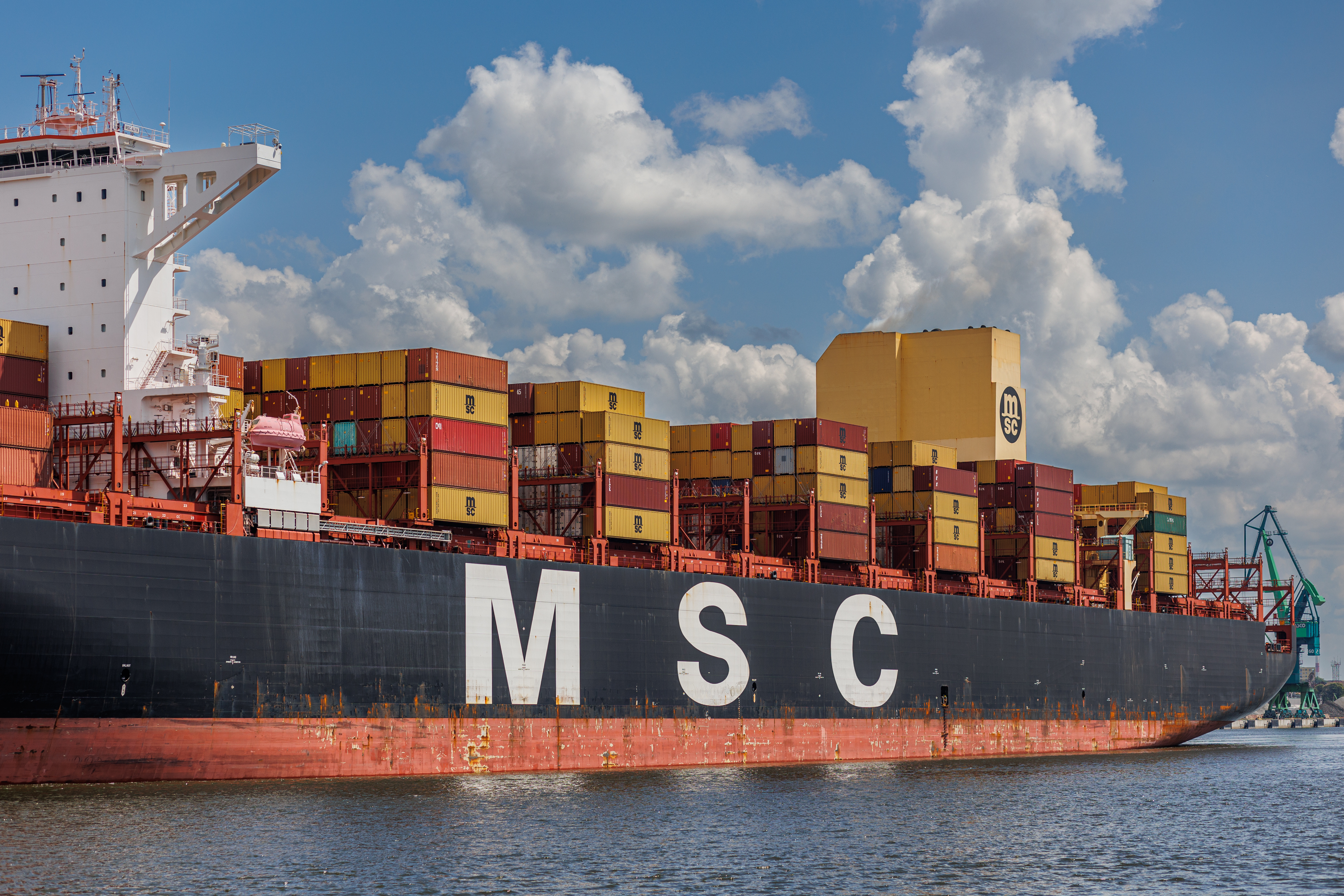
Update gaps. Inconsistent status. No alert when your container is delayed at transshipment. For logistics teams managing MSC shipments in 2025, tracking delays aren’t rare—they’re built into the system.
Global schedule reliability is still recovering, averaging 51.5% in early 2025, while late vessel arrivals face an average delay of 5.3 days. Although MSC ranks among the more reliable carriers, real-time status visibility is still limited—especially during transshipments or port congestion.
This post breaks down the key causes of MSC tracking limitations and shares practical steps to reduce blind spots, improve update speed, and regain control of your active shipments.
Why MSC Tracking Delays Happen
MSC’s tracking system can handle basic container updates—but it’s not optimized for high-volume, exception-prone operations. These are the most common issues logistics professionals encounter:
- Low refresh frequency: Updates typically occur 2–4 times daily, with long gaps between shipment events.
- Visibility breaks at transshipments: Once a container is handed off to a new vessel, updates may pause until the next event.
- Container-based tracking limitations: MSC searches by container often miss status changes that B/L-based tracking would catch.
- Lagging integrations: Even API-connected systems may reflect stale data due to delays in MSC’s backend sync.
These gaps may seem minor in isolation—but at scale, they create blind spots that impact delivery timelines, client communication, and exception response.
Immediate Workarounds for MSC Tracking Delays
- Track using the Master B/L: MSC container numbers may offer limited events—B/L tracking gives a fuller view.
- Turn on email notifications in MSC’s portal: While basic, they reduce the need to refresh manually.
- Cross-reference vessel progress: Use AIS data via platforms like TRADLINX to confirm vessel movements in real time.
These steps help close short-term gaps. But for teams handling dozens of containers across multiple trade lanes, manual fixes don’t scale.
Why Real-Time Visibility Matters (By the Numbers)
- 69% of logistics professionals cite delayed tracking as their #1 source of disruption. (Freightos, 2024)
- 5.2 hours/week are spent manually checking for updates across systems. (Gartner SCM Pulse, 2023)
- 32% fewer customer complaints and 3.5x faster issue resolution are reported by teams using real-time visibility tools. (project44, 2024)
- 12–18% logistics cost reduction through better ETA accuracy and automated workflows. (McKinsey Digital, 2023)
Delayed updates don’t just slow down logistics—they ripple across planning, communication, and cost management.
Why MSC Tracking Delays Happen
MSC’s portal is widely used, but delays and missing events often stem from structural limitations in carrier-side systems—not bugs. Here’s what typically causes tracking gaps:
- Infrequent data syncs: MSC tracking typically updates 2–3 times per day, leaving wide windows without new events.
- Gaps during transshipments: Tracking often pauses when containers switch vessels, especially in major hubs like Singapore or Busan.
- Container-level limitations: Searches by container number may miss some updates—Master B/L often shows a more complete chain of events.
- Lag in API-connected tools: Even with integrations, there can be 6–12 hour lags due to MSC’s internal data push intervals.
Understanding these patterns can help set expectations and improve coordination—but for growing teams, workarounds can quickly become unsustainable.
Immediate Workarounds for MSC Tracking Delays
- Use Master B/L over container numbers: This often yields a fuller tracking picture, especially across multiple containers.
- Enable notifications in MSC’s portal: MSC offers basic alerting tools for container movement—use them where possible.
- Cross-check vessel movement: Use real-time AIS tools like TRADLINX or your existing platform to track vessel progress independently.
While helpful in the short term, these tactics don’t scale well across dozens of B/Ls or time-sensitive routes.
Why Real-Time Visibility Matters (By the Numbers)
- 69% of logistics professionals cite delayed tracking as their top operational bottleneck. (Freightos, 2024)
- 5.2 hours/week are lost per team member chasing shipment status. (Gartner SCM Pulse, 2023)
- Real-time platforms reduce customer complaints by 32% and enable 3.5x faster resolution. (project44, 2024)
- 12–18% cost savings are possible with predictive tracking and automation. (McKinsey, 2023)
Reliable, centralized updates are no longer a nice-to-have—they’re a core part of responsive logistics management.
When Built-In Tracking Isn’t Enough
MSC’s platform is useful for basic updates—but high-volume teams often need a more scalable and automated way to manage live shipments. Here’s how that’s done.
| Tracking Issue | Operational Impact | How It’s Solved |
|---|---|---|
| Slow or infrequent updates | Delays in internal coordination and response | Combine AIS + carrier feeds for higher update frequency |
| Missed container events | Exceptions not caught until customers flag them | Automated alerts for delay, discharge, transshipment |
| Multiple portals to manage | Hard to keep B/L, container, vessel aligned | Unified shipment dashboard with smart filters |
| Client updates are manual | Wasted time on screenshots & Excel | Live tracking links branded with your company |
| No shipment-level analytics | Can’t pinpoint recurring problems | Delay insights by lane, vessel, carrier |
Solutions like TRADLINX help eliminate these blind spots—especially across high-volume trade lanes or multimodal shipments.
How High-Volume Teams Are Solving These Issues
To meet tighter SLAs and improve customer communication, more teams are switching to centralized visibility tools that support faster, smarter logistics workflows.
- All-in-one shipment dashboard: See B/L, container, vessel in one view
- Predictive ETAs and alerts: Get ahead of disruptions before customers feel them
- Client-facing tools: Share status updates via branded pages or widgets
- Designed for scale: Track 10 or 100+ shipments in real time without manual refreshes
This approach isn’t just efficient—it builds trust across internal teams and external stakeholders alike.
Summary: What to Do When MSC Tracking Falls Short
If your team is consistently facing delays, gaps, or customer pressure around MSC shipment visibility, here’s what to assess:
| Problem | Why It Happens | Recommended Fix |
|---|---|---|
| Updates are slow or missing | 2–3x daily syncs, gaps at port changes | Use Master B/L or real-time platforms with AIS |
| Hard to manage multiple B/Ls | MSC portal tracks one container at a time | Adopt a multi-shipment dashboard with automation |
| Manual client updates | No shareable tracking or branded UI | Enable live links and automated alerts |
| Missed exceptions | No alerting on key events | Trigger notifications by event type or milestone |
With the right visibility tools, teams can reduce blind spots, improve customer communication, and respond faster to disruptions—whether you’re managing 10 or 100+ MSC shipments at once.
Prefer email? Contact us directly at min.so@tradlinx.com (Americas), sondre.lyndon@tradlinx.com (Europe) or henry.jo@tradlinx.com (EMEA/Asia)





Leave a Reply