

Recent Maritime Incident Highlights Supply Chain Vulnerabilities
The recent explosion involving the YM MOBILITY V.079W at the Ningbo terminal has underscored the critical importance of real-time visibility and risk management in the supply chain. As logistics professionals and LSPs (Logistics Service Providers), staying informed about potential disruptions is crucial to maintaining operational resilience. One looming threat on the horizon is the Nankai Earthquake, which has the potential to devastate not just Japan’s domestic supply chain but also global logistics networks.
Nankai Earthquake Concerns: The Current Situation in Japan
The Nankai Earthquake, expected to occur every 100-150 years, is now overdue. Originating from the Nankai Trough, which stretches from Shizuoka Prefecture to the southern part of Shikoku and the eastern waters of Kyushu, this earthquake poses a significant risk to Japan’s infrastructure. The Japanese government estimates a 70-80% probability of this massive earthquake occurring within the next 30 years. With recent seismic activity, including a magnitude 7.1 earthquake off Miyazaki Prefecture, public anxiety is rising.
Key Questions for LSPs:
- Are your operations prepared for such a massive disruption?
- How would your logistics network respond if critical ports and transportation routes were suddenly compromised?
Analyzing the Nankai Earthquake: Causes and Predicted Damage
The Nankai Trough Earthquake could result from the collision of the Philippine Sea Plate and the Eurasian Plate, releasing enormous amounts of energy. Predicted to reach a magnitude of 8.0-9.0, this earthquake could lead to:
- 230,000 deaths or missing persons
- 2.09 million buildings damaged
- Economic damage is estimated to reach up to 1,410 trillion yen (approximately 12.85 trillion USD).
The impact would be particularly severe in major cities like Osaka, Nagoya, and Tokyo, which are vital to Japan’s population and GDP. Additionally, the threat of a tsunami with waves up to 10 meters high further compounds the potential devastation.

Major Impacts on Supply Chain: Port and Rail Paralysis, Factory Shutdowns
If a Nankai Earthquake occurs, the paralysis of Japan’s maritime transportation and supply chains is inevitable. Key logistics hubs like the ports of Nagoya and Kobe would be directly affected, while other major ports such as Tokyo, Yokohama, and Chiba would experience significant delays. The resulting damage would cause severe disruptions in:
- Port operations: Delays in loading, unloading, and transporting goods.
- Inland transportation: Damage to rail and road networks would block major inland routes, making logistics virtually impossible.
- Industrial impact: The automotive, electronics, semiconductor, chemical, and pharmaceutical industries—vital to both Japan and global markets—would face significant production halts.
The 2011 Great East Japan Earthquake: Lessons for Today
The 2011 Great East Japan Earthquake offers a stark example of what could happen. During that disaster, the paralysis of port functions led to a collapse in Japan’s logistics supply chain, causing:

- 33% reduction in operating profits for listed Japanese companies
- Complete halt in logistics flows at major ports like Sendai
- Global ripple effects: Production halts extended beyond Japan, impacting manufacturers like GM in the U.S. and Renault Samsung in South Korea.
Case in Point:
- Toyota, Sony, and Nissan: These companies were forced to halt operations due to the collapse of parts supply chains, affecting global manufacturing.
Strategic Supply Chain Solutions: Lessons from the Past
Following the 2011 earthquake, companies like Canon and Fujitsu adopted strategies to diversify their supply chains, ensuring redundancy and resilience. These examples highlight the importance of proactive planning and diversified logistics strategies to mitigate the impact of potential disasters like the Nankai Earthquake.
Leveraging Ocean Visibility Tools for Supply Chain Resilience
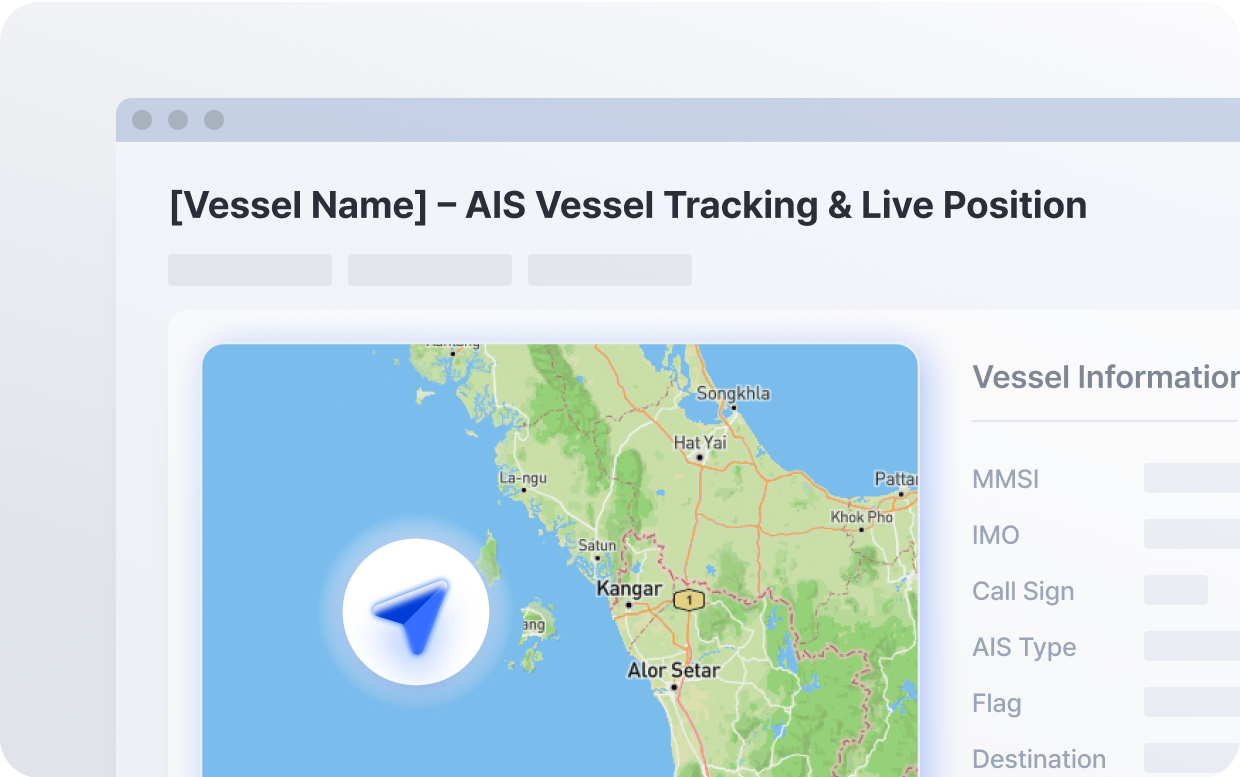
Ocean visibility tools are crucial in modern logistics, offering real-time insights into shipment locations and statuses, which can be particularly vital in crisis situations. These tools provide predictive analytics and automated alerts, enabling logistics professionals to make informed decisions, streamline operations, and respond swiftly to disruptions. For example, TRADLINX Ocean Visibility provides real-time tracking of cargo during maritime transportation, which could be instrumental during large-scale disruptions like those predicted for the Nankai Earthquake.

Strengthening Supply Chains Against the Nankai Earthquake
As logistics professionals, it’s crucial to ask:
- Are your current strategies sufficient to weather such a disaster?
- What steps can you take now to strengthen your supply chain against future disruptions?
The looming threat of the Nankai Earthquake is a call to action for all LSPs and logistics professionals. By adopting advanced technologies and preparing for worst-case scenarios, we can enhance the resilience of global supply chains.


![[Logistics Alert] Italy’s Unannounced Strike + South Asia Port Aftershocks](https://blogs.tradlinx.com/wp-content/uploads/2025/12/Naples-Port-Stock-Image-1.jpeg)
Leave a Reply