
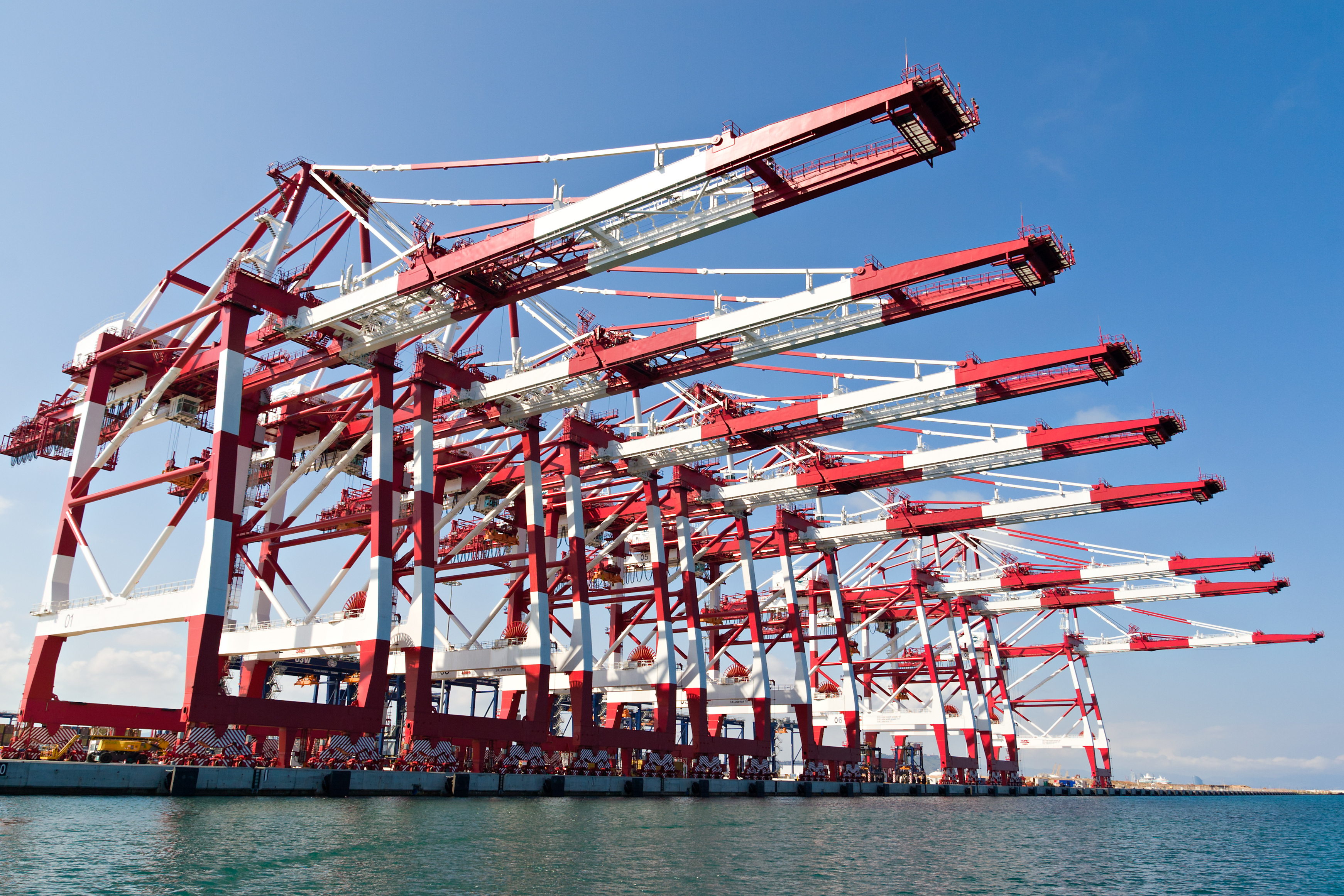
When CK Hutchison announced its $22.8 billion sale of 80% of its global port assets to MSC and BlackRock, the news sent ripples through the logistics industry. This massive deal shifts control of 42 port terminals across 23 countries, including key hubs such as the Panama Canal, Europe, and Asia, from one of Asia’s largest conglomerates to a shipping giant (MSC’s TiL) and an investment powerhouse (BlackRock Infrastructure Partners).
But this sale raises a much bigger question:
Who really owns and operates the world’s ports?
While many assume ports are government-run, the reality is that most are managed—or even owned—by private companies, global shipping lines, and investment groups. This model has become the norm in global trade, shaping everything from supply chain efficiency to shipping costs and geopolitical strategy.
In this post, we’ll break down who owns and operates the world’s biggest ports—and why it matters for logistics professionals like you.
How Are Ports Owned & Operated?
Why Aren’t Ports Always Government-Run?
For most people, it’s natural to assume that seaports—critical gateways for global trade—are directly controlled by national governments. After all, they are essential for economic growth, national security, and trade policy.
But in reality, most of the world’s busiest ports are not run by governments alone. Instead, they follow a mix of public and private ownership models, where private companies, global shipping lines, and investment groups manage key port facilities.
The Three Main Port Ownership Models
Port management structures vary globally, but they generally fall into three main categories:
| Ownership Model | Who Owns It? | Who Operates It? | Examples |
|---|---|---|---|
| Public Ports (Government-Owned & Operated) | National or local government | Government agencies | Most ports in China (Shanghai, Ningbo), some U.S. ports (Port of Virginia) |
| Landlord Ports (Government-Owned, Privately Operated) | Government owns the land and infrastructure | Private companies operate terminals under long-term leases | Port of Rotterdam, Singapore, Los Angeles |
| Privately Operated Ports (Long-Term Leases or Private Control) | Government or private investors | Private companies under long-term lease or ownership | Jebel Ali (Dubai, operated by DP World), UK ports (Hutchison Ports) |
Why Do Governments Allow Private Companies to Operate Ports?
Governments partner with private operators for several key reasons:
- Higher Efficiency: Private terminal operators specialize in cargo handling, reducing congestion.
- Investment in Infrastructure: Private firms build modern terminals, cranes, and automation systems.
- Revenue Generation: Governments lease ports for 30–99 years, ensuring stable income.
- Competitive Advantage: Privatized ports attract more global shipping lines, boosting trade volume.
Who Owns and Operates the World’s Biggest Ports?
Ports are critical gateways for global trade, but who actually owns and operates them? While some are government-controlled, many are run by private companies, global shipping lines, or investment firms through long-term leases or concessions.
The World’s Largest & Busiest Ports by Ownership
| Port | Country | Operator | Ownership Model |
|---|---|---|---|
| Port of Shanghai | China | Shanghai International Port Group (SIPG) | Government-Owned |
| Port of Singapore | Singapore | PSA International | Government-Owned (Commercially Operated) |
| Port of Rotterdam | Netherlands | Port of Rotterdam Authority + APM Terminals, DP World | Landlord Port (Govt. Owned, Privately Operated) |
| Port of Los Angeles | USA | Los Angeles Harbor Dept. + APM Terminals, Everport | Landlord Port |
| Jebel Ali Port | UAE | DP World | Fully Privatized |
| Port of Antwerp | Belgium | Antwerp Port Authority + PSA, DP World | Landlord Port |
| Port of Hamburg | Germany | HHLA + Various Terminal Operators | Landlord Port |
| Port of Hong Kong | Hong Kong | Hutchison Ports, COSCO, Modern Terminals | Privately Operated, Multiple Stakeholders |
| Panama Canal Ports (Balboa & Colón) | Panama | Hutchison Ports (soon MSC & BlackRock) | Government-Owned, Long-Term Private Lease |
Key Insights on Port Ownership:
- Most of the world’s busiest ports are not fully government-operated; they follow a mix of public-private models.
- Private companies often manage day-to-day cargo handling and logistics, even in ports owned by governments.
- The recent CK Hutchison sale to MSC & BlackRock signals a trend of consolidation among major port operators.
- Landlord ports (government-owned, privately operated) are the most common model worldwide.
The Biggest Port Operators in the World
While ports are often owned by governments, the actual operations—cargo handling, berthing, and logistics—are frequently managed by private terminal operators. These companies handle millions of containers each year and play a crucial role in global trade, supply chain efficiency, and freight pricing.
Who Are the Largest Port Operators?
| Company | Headquarters | Key Ports Operated | Ownership Type |
|---|---|---|---|
| PSA International | Singapore | Singapore, Antwerp, India, Panama | Government-Owned (Temasek Holdings) |
| APM Terminals (Maersk) | Denmark | Rotterdam, Los Angeles, Brazil, India | Subsidiary of Maersk |
| DP World | United Arab Emirates | Dubai (Jebel Ali), UK, Canada, Australia | State-Owned (Dubai Government) |
| Hutchison Ports | Hong Kong | Hong Kong, Panama, Rotterdam, UK | Privately Owned (CK Hutchison Holdings) |
| MSC’s Terminal Investment Ltd. (TiL) | Switzerland | Panama, Antwerp, Valencia, Asia | Private (Owned by MSC) |
| COSCO Shipping Ports | China | Piraeus (Greece), Valencia, Shanghai, Xiamen | State-Owned (Chinese Government) |
| CMA CGM’s Terminal Link | France | Marseille, Houston, Singapore | Private (Owned by CMA CGM) |
What Role Do These Operators Play?
Port operators play a vital role in global trade by managing the physical movement of cargo, optimizing port infrastructure, and coordinating logistics.
- Cargo Handling: Loading and unloading container ships efficiently.
- Port Management: Overseeing terminal infrastructure, cranes, and logistics hubs.
- Service & Handling Fees: Setting charges for terminal operations, storage, and container movement.
- Global Trade Facilitation: Coordinating with shipping lines to optimize berth scheduling and transshipment logistics.
Note: While port operators manage many aspects of logistics, governments typically set port tariffs, including port dues and customs-related fees.
Why Port Ownership Matters
Port ownership is more than just a corporate or governmental decision. It has a direct impact on trade efficiency, shipping costs, logistics planning, and even geopolitical strategy. Whether a port is publicly controlled or privately operated affects how goods move across global supply chains.
1. Impact on Freight Costs and Supply Chains
The entity that operates a port determines pricing, cargo handling efficiency, and logistics policies. This affects:
- Terminal Handling Charges (THC): Privately operated ports often set higher or variable handling fees compared to government-controlled ports.
- Shipping Costs: Port fees and efficiency impact overall freight rates, affecting import/export businesses.
- Customs & Processing Speed: Some ports have streamlined customs clearance due to private-sector investment in digital infrastructure.
- Container Dwell Times: Well-managed ports reduce delays, improving supply chain reliability.
2. Geopolitical and Strategic Considerations
Ownership of major ports can influence trade relationships, national security policies, and global power dynamics. Key factors include:
- Strategic Trade Routes: Ports along critical shipping lanes (e.g., Panama Canal, Strait of Malacca) impact global trade flows.
- Government Oversight: Some nations restrict foreign investment in strategic ports to maintain economic and security control.
- Carrier Alliances & Route Optimization: Shipping companies may prioritize ports where they have terminal control, affecting competition.
3. Investment and Infrastructure Development
Private port operators invest in technology, automation, and sustainability projects to improve port efficiency. This includes:
- Automation: AI-driven cranes, autonomous trucks, and digitized processing to reduce port congestion.
- Smart Port Systems: Integrated real-time tracking and digital port management improve logistics efficiency.
- Green Initiatives: Many private port operators are implementing carbon reduction strategies and alternative fuel infrastructure.
4. What This Means for Logistics Professionals
For freight forwarders, supply chain managers, and logistics service providers, understanding port ownership and operations can provide a competitive advantage.
- Choosing the Right Ports: Selecting ports with better efficiency, lower fees, and shorter dwell times can improve logistics planning.
- Monitoring Operational Changes: When ownership changes (e.g., CK Hutchison’s sale to MSC & BlackRock), it can signal shifts in pricing, policies, and port efficiency.
- Adapting to Regulatory Frameworks: Different operators follow different rules on tariffs, environmental policies, and security protocols.
Final Thoughts on Global Port Ownership
Port ownership plays a crucial role in shaping global trade, impacting everything from freight costs and supply chain efficiency to geopolitical strategy. While some ports remain government-controlled, the majority are managed by private terminal operators, shipping companies, and investment groups, shaping the way goods move across the world.
As seen in the recent CK Hutchison port sale to MSC and BlackRock, shifts in ownership can influence global shipping routes, pricing models, and logistics operations. For logistics professionals, staying informed about who owns and operates major ports is essential for optimizing supply chains and making strategic shipping decisions.
With ports acting as the backbone of global commerce, understanding the forces driving port ownership—and how they shape trade—is more important than ever.
Prefer email? Contact us directly at min.so@tradlinx.com (Americas), sondre.lyndon@tradlinx.com (Europe) or henry.jo@tradlinx.com (EMEA/Asia)
Leave a Reply