
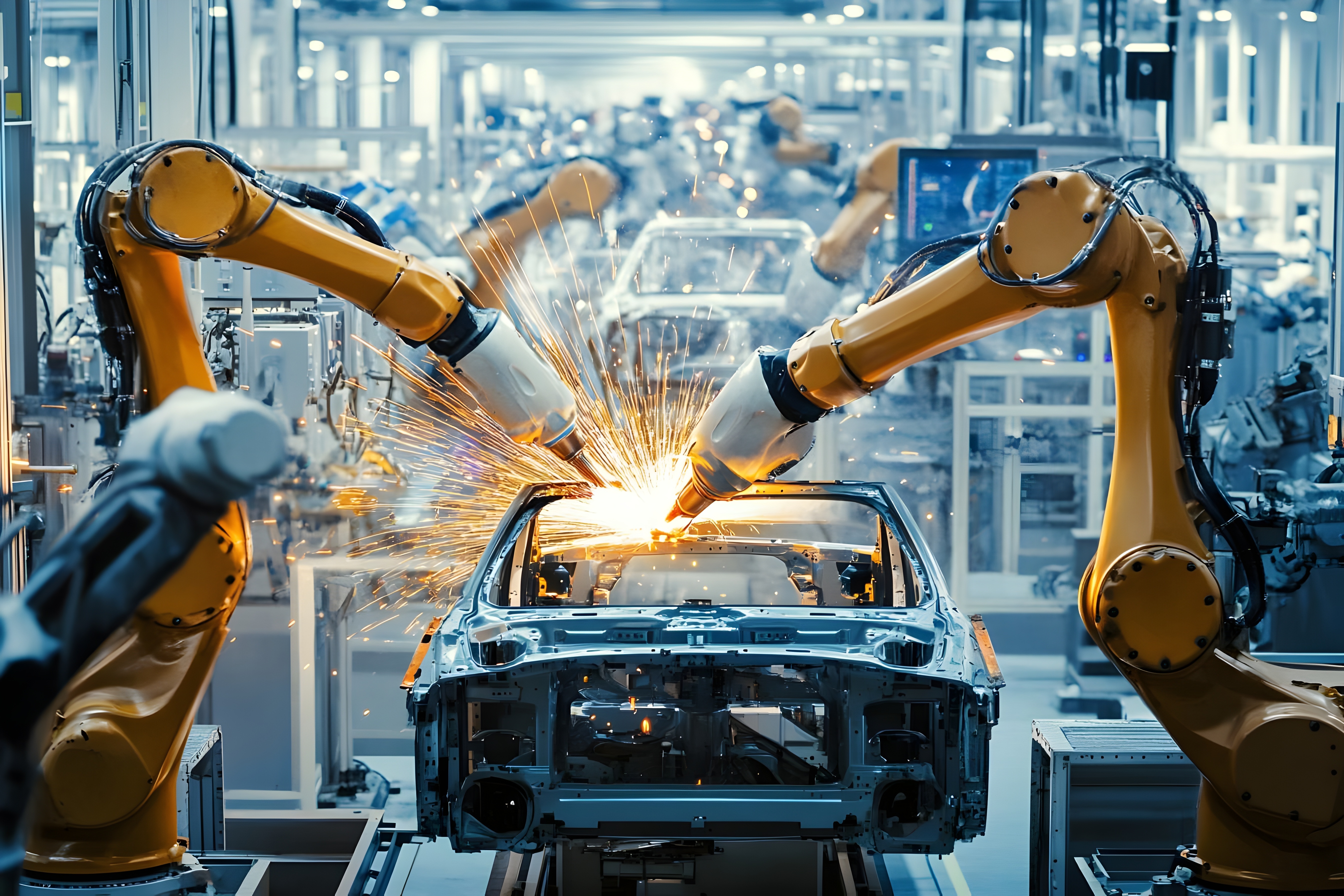
How Trade Wars and Tariffs Reshaped the Automotive Supply Chain
Since 2021, the global auto industry has faced intense disruption from rising tariffs, U.S.-China trade tensions, and semiconductor shortages. These shocks have forced automakers to rethink where and how they source electric vehicle (EV) parts, build factories, and manage geopolitical risk. This post breaks down the most critical changes in three key areas: EV part sourcing, regionalization of supply chains, and semiconductor strategy.
1. EV Parts Sourcing: Diversification and Localization
EV supply chains are under major structural transformation, as automakers decouple from Chinese suppliers to avoid tariffs and geopolitical risk.
- Shift from China to Southeast Asia & Mexico:
To avoid U.S. tariffs, automakers like Tesla and Hyundai are moving battery and component manufacturing to Vietnam, Malaysia, and Mexico. Hyundai opened a major EV facility in Georgia, while Tesla continues ramping up U.S. and Mexico production. - Localized Battery Materials:
With China dominating global processing of lithium, cobalt, and graphite, companies like Sila and Lyten are developing alternative battery chemistries (e.g., lithium-sulfur, silicon anodes) and establishing U.S.-based production. - Strategic Tech Partnerships:
Ford invested $8B in U.S. EV production to leverage CHIPS Act incentives, while Stellantis entered a JV with China’s Leapmotor to access EV tech without triggering import tariffs.
These sourcing shifts aim to balance tariff compliance with long-term tech competitiveness, while building more regionalized, secure battery ecosystems.
2. Supply Chain Regionalization: Near-Shoring and “China-Plus-One”
Tariffs have accelerated regionalization across North America, Europe, and Southeast Asia as automakers redesign supply networks around trade blocs.
- North America Focus: Toyota and Volkswagen are scaling U.S. EV production; BMW and Mercedes expanded U.S. plants to bypass import tariffs. Tesla’s Giga Texas supports regional supply for the U.S. market.
- Europe: EU-Based Platforms: Volkswagen’s MEB platform enables local production of models like ID.3 (Europe) and ID.4 (U.S./China). CATL is building a battery plant in Hungary to support EU supply.
- China-Plus-One Strategies: Firms like Intel and TSMC are relocating legacy chip production to India and Mexico, while EV players like VinFast and BYD are establishing secondary production hubs outside China.
- AI and Regional Customization: Tesla and others use modular platforms and digital tools to tailor vehicles to local regulations and preferences, e.g., cold-weather batteries for Northern Europe.
While regionalization reduces tariff risk and shortens delivery cycles, it also adds complexity—from labor shortages to local compliance and fragmented platforms.

3. Semiconductor Strategy: From Shortages to Self-Reliance
The 2021–2023 chip shortage exposed the fragility of automotive electronics sourcing, especially for EVs that require 2–3x more chips than ICE vehicles. In response, automakers and suppliers have moved aggressively to onshore production and diversify supply.
- Domestic Chip Investment: Intel secured $19.5B in CHIPS Act funding to build advanced fabs in the U.S. China, meanwhile, is heavily investing in domestic chip R&D, though it remains dependent on U.S. tech for cutting-edge nodes.
- Abandoning Just-in-Time: Toyota stockpiled chips post-Fukushima and further ramped inventory after 2021. GM and Ford now partner directly with chipmakers like TSMC to secure guaranteed allocation.
- Product Redesigns: Tesla engineered custom in-house chips for Full Self-Driving, while others are simplifying vehicle electronics to reduce chip count and enable substitute sourcing.
- Tariff Exemptions and Policy Pressure: Both U.S. and China have temporarily lifted select semiconductor tariffs to ease shortages, while automakers continue lobbying for export control clarity.
These adaptations signal a structural shift toward semiconductor self-reliance—critical as EVs, autonomy, and digital platforms scale rapidly in the next decade.
4. Challenges and Trade-Offs in the Tariff-Era Auto Supply Chain
While regionalization and localization offer tariff resilience, they also introduce new operational and strategic complexities for global OEMs and suppliers.
| Strategy | Impact | Challenges |
|---|---|---|
| EV localization | Lower tariff exposure; Mexico/SE Asia EV production growth | High capital costs, slower tech transfer |
| Regional supply chains | Greater resilience and customization (e.g., SUVs in U.S.) | Regulatory complexity, supply chain duplication |
| Semiconductor reshoring | Secured advanced chip supply (e.g., Intel 18A roadmap) | 5–10 year fab lead times; skilled labor shortages |
| Near-shoring | Avoided 25–145% tariffs; stabilized landed costs | Limited supplier depth in new regions (e.g., Vietnam) |
Balancing speed, cost, resilience, and innovation is now a permanent feature of global auto supply chain strategy—and a differentiator among EV leaders.
5. Conclusion: Tariffs Are Reshaping the Auto Supply Chain—Permanently
Automakers have responded to trade wars, export controls, and component shortages by regionalizing supply chains, localizing EV production, and investing in semiconductor self-sufficiency. But these shifts come at a cost: complex logistics, high upfront capital, and regulatory fragmentation. Supply chain resilience is no longer optional—it’s a competitive necessity.
Platforms like TRADLINX play a critical role by delivering visibility, intelligence, and adaptability across multimodal operations—helping global logistics teams thrive amid ongoing geopolitical and economic uncertainty.

EV Trade and Tariff Trends: Your Questions Answered
- What are the biggest supply chain challenges for automakers in 2025?
Tariff exposure, chip shortages, EV battery sourcing, and regulatory complexity across regions. - How are automakers adapting to U.S.-China trade tensions?
By localizing EV production, diversifying suppliers, and investing in domestic chip and battery capabilities. - What role does TRADLINX play in the auto industry?
TRADLINX provides real-time ocean visibility, routing optimization, and scenario planning tools for tariff-resilient logistics.
References
- Auto Tariff War: From Higher Prices to Near-Shoring and Tech Self-Reliance – Jusda Global
- How Tesla is Tackling U.S.-China Trade Tensions with Strategic Adjustments – HR One
- Understanding the Impact of New U.S. Tariffs on Automotive Trade – Kaizen Institute
- Tariffs Are Bad for E.V.s, but Some Models May Have a Leg Up – New York Times
- How a Trade War Could Move American EVs Out of Reach – E&E News
- Tariff Impact on Electric Vehicle Industry – MarketsandMarkets
- Tariff Turmoil and Its Impact on Global Automotive Supply Chains – Jusda Global
- AI’s Role in Helping the Automotive Sector Adapt – Wavestone
- Coping with the Auto-Semiconductor Shortage – McKinsey & Company
- The Auto Industry’s Semiconductor Chip Shortage – Approved Forwarders
- Electric Vehicles and Tariffs – GreenCars
- Tariff Tensions: How the U.S.-China Trade War is Straining China’s Auto Sector – Techovedas
Why overpay for visibility? TRADLINX saves you 40% with transparent per–Master B/L pricing. Get 99% accuracy, 12 updates daily, and 80% ETA accuracy improvements, trusted by 83,000+ logistics teams and global leaders like Samsung and LG Chem.


Prefer email? Contact us directly at min.so@tradlinx.com (Americas) or henry.jo@tradlinx.com (EMEA/Asia)


Leave a Reply