
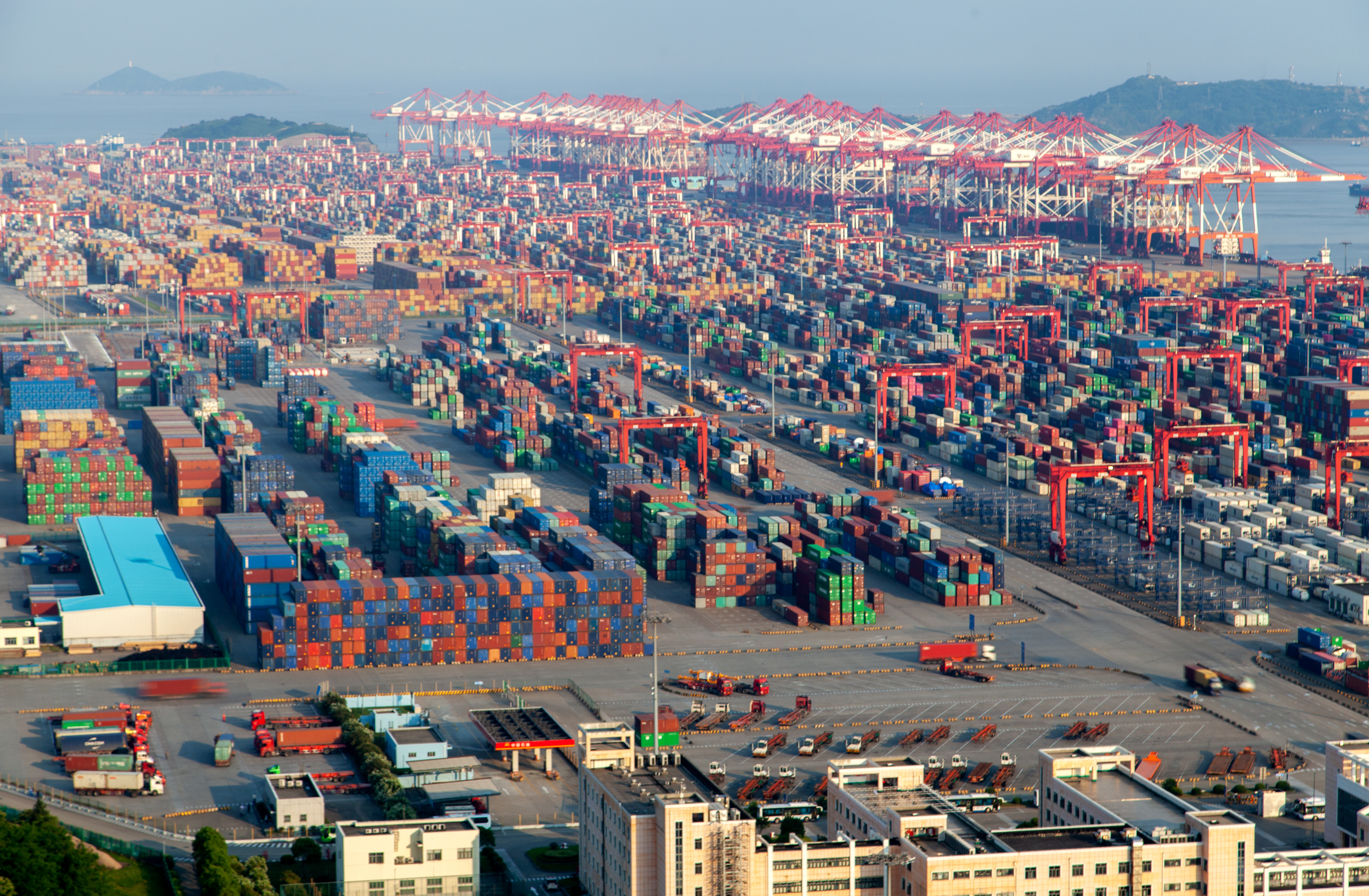
As China–India trade continues to surge, logistics professionals face a complex web of tariffs, transit volatility, and customs regulations in 2025. This guide breaks down the latest costs, transit times, and shipping strategies for moving goods efficiently between these two key Asian economies.
🚢 Shipping Methods Overview
- FCL (Full Container Load): Ideal for large shipments. Faster and cost-effective per unit, with lower risk of damage or delay.
- LCL (Less than Container Load): For smaller loads. Flexible but slower due to cargo consolidation/deconsolidation steps.
- Air Freight: Fast (3–7 days), suitable for urgent or high-value cargo. More expensive than sea freight.
- Express Courier: Premium door-to-door service for small parcels. Transit time is usually 1–3 days.
- Rail Freight: Growing as a middle ground between sea and air. Balanced speed and cost, mainly used for industrial goods or inland routes.
⏱️ Average Transit Times (2025)
| Mode | Port-to-Port | Door-to-Door |
|---|---|---|
| FCL Ocean | 14–25 days | 20–30 days |
| LCL Ocean | 17–30 days | 20–40 days |
| Air Freight | 3–5 days | 3–7 days |
| Express Courier | 1–3 days | 2–5 days |
| Rail Freight | 15–20 days | 20–25 days |
Note: LCL shipments take longer due to cargo handling stages. Rail is route-dependent and limited to specific inland hubs. Weather and peak season can extend all modes by several days.
💰 Freight Rate Benchmarks & Trends (2025)
| Mode | Typical Rate (USD) |
|---|---|
| FCL (20’ container) | $1,000–$1,800 |
| FCL (40’ container) | $1,500–$2,000 |
| LCL (per CBM) | $80–$120 |
| Air Freight (to Delhi) | $3–$8 per kg |
| Express Air | $8–$12 per kg |
Trend Watch: FCL rates remain competitive post-pandemic but are sensitive to fuel costs and capacity fluctuations. LCL continues to command a higher per-unit rate due to handling. Air freight is widely used for urgent cargo, but remains 20–30% above pre-COVID levels.
Always confirm with your freight forwarder for lane-specific quotes, as rates may fluctuate weekly depending on trade volumes and carrier availability.
⚓ Major Ports & Congestion Patterns (2025)
- China: Shanghai, Ningbo-Zhoushan, Shenzhen, Guangzhou, Xiamen, Qingdao
- India: Nhava Sheva (JNPT), Mundra, Chennai, Visakhapatnam, Kolkata
Congestion Alerts (2025):
- Shanghai & Ningbo: Peak congestion during Chinese New Year (Jan–Feb), Golden Week (Oct), and year-end rush. Wait times up to 1–2 days during surges.
- Nhava Sheva & Mundra: Generally efficient, but see delays during India’s monsoon season (June–Sept) and holiday periods like Diwali.
- Chennai & Kolkata: Can experience prolonged customs clearance and dwell times during heavy rain or strikes.
- Transshipment ports (e.g., Singapore): May add 3–7 days delay for LCL or indirect shipments.
Use major direct ports for smoother flow and monitor congestion forecasts. Booking early and adding buffer time around holidays is strongly recommended.
📑 Common Customs & Regulatory Issues
- Import Duties: India imposes standard and anti-dumping duties on a range of Chinese goods, especially in steel, electronics, chemicals, and textiles.
- Import Licensing: Importers must secure permits for certain product categories (electronics, chemicals, food items). Products must comply with Indian standards (BIS, FSSAI).
- Random Inspections: Shipments may be flagged for physical inspection—especially during holiday seasons or for sensitive categories.
- Documentation Accuracy: Incomplete or incorrect paperwork is a top cause of customs holds. This includes commercial invoices, HS code classification, origin certificates, and end-use declarations.
- Geopolitical Sensitivities: Periodic diplomatic tensions may lead to tighter scrutiny of Chinese-origin goods at Indian ports.
Pro Tip: Avoid clearance delays by double-checking paperwork, using licensed customs brokers, and confirming product classifications with your logistics provider in advance.
🚧 Typical Causes of Delay on the China–India Lane
- Port Congestion: Both Chinese and Indian ports face seasonal congestion, especially during CNY (Jan–Feb), monsoon (June–Sept), and Q4 exports.
- Weather: Typhoons in East Asia and monsoon flooding in India regularly impact vessel schedules and port operations.
- Customs Clearance: Delays are common due to missing documents, improper HS codes, or lack of compliance certificates.
- Labor Shortages: Strikes and staffing gaps can slow operations at ports or customs offices on both sides.
- Container Shortages: Equipment availability fluctuates—especially during global shipping disruptions or export surges.
- Transshipment Delays: Indirect shipments routed via Singapore, Colombo, or Port Klang may face 2–7 extra days in delay.
Working with a forwarder experienced in this route and maintaining real-time shipment visibility are essential to managing risks and keeping timelines predictable.
🤝 Trade Agreements & Tariff Status
- No FTA in Place: China and India do not have a bilateral free trade agreement. Most trade operates under standard WTO terms.
- Tariffs and Anti-Dumping Duties: India maintains 5–20% base tariffs and regularly applies anti-dumping duties on Chinese goods such as steel, chemicals, and electronics.
- Geopolitical Barriers: Tensions and trade imbalances have led India to restrict imports of non-essential or sensitive items from China.
- Compliance Checks: Goods from China may be subject to increased scrutiny for origin verification and standards compliance.
India’s absence from RCEP and rejection of broader regional trade frameworks like ACFTA limits tariff relief for importers sourcing from China.
📈 Optimization Tips for China–India Logistics
- Choose Efficient Ports: Prioritize Shanghai, Ningbo, Nhava Sheva, or Mundra to avoid secondary port delays.
- Plan for Seasonal Disruptions: Build in lead time around CNY, Indian monsoon, and major holidays.
- Use Trusted 3PLs: Partner with logistics providers familiar with China–India compliance and congestion trends.
- Consider Rail Freight: For inland destinations, rail may offer better time-cost balance than LCL sea freight.
- Digitize Documents: Use e-documents and digital customs portals to streamline clearance.
- Track Regulations: Monitor Indian policy updates, particularly for anti-dumping and product certification rules.
- Improve Visibility: Leverage milestone tracking and partner updates to manage ETAs and exceptions.
Logistics teams that stay proactive—especially around paperwork accuracy and seasonal risk—can significantly reduce delays and cost surprises.
📊 Summary Table: China–India Shipping Lane (2025)
| Mode | Port-to-Port | Door-to-Door | Cost (USD) | Main Ports | Key Issues |
|---|---|---|---|---|---|
| FCL Ocean | 14–25 days | 20–30 days | $1,000–$2,000 | Shanghai, Ningbo / Nhava Sheva, Mundra | Congestion, customs delays |
| LCL Ocean | 17–30 days | 20–40 days | $80–$120 per CBM | Same as FCL | Longer processing, deconsolidation |
| Air Freight | 3–5 days | 3–7 days | $3–$8/kg | Guangzhou, Shanghai / Delhi, Mumbai | Cost, random inspections |
| Express Air | 1–3 days | 2–5 days | $8–$12/kg | Same as Air | Premium service costs |
| Rail Freight | 15–20 days | 20–25 days | Variable | Major inland hubs | Limited routes, customs stops |
🔗 Sources & References
- Sino Shipping – China to India Freight Guide
- Basenton Logistics – Rates & Transit Times
- Tonlexing – Air Freight Transit
- DocShipper – China–India Freight
- STU Supply Chain – Major Ports
- Freightos – Transit Time Calculator
- Sinay – Real-Time Port Congestion
Data accurate as of May 2025. For the latest freight rates and transit updates, consult a licensed freight forwarder or use Tradlinx Ocean Visibility platform.

Why overpay for visibility? Tradlinx saves you 40% with transparent per–Master B/L pricing. Get 99% accuracy, 12 updates daily, and 80% ETA accuracy improvements, trusted by 83,000+ logistics teams and global leaders like Samsung and LG Chem.


Prefer email? Contact us directly at min.so@tradlinx.com (Americas), sondre.lyndon@tradlinx.com (Europe) or henry.jo@tradlinx.com (EMEA/Asia)

Leave a Reply