
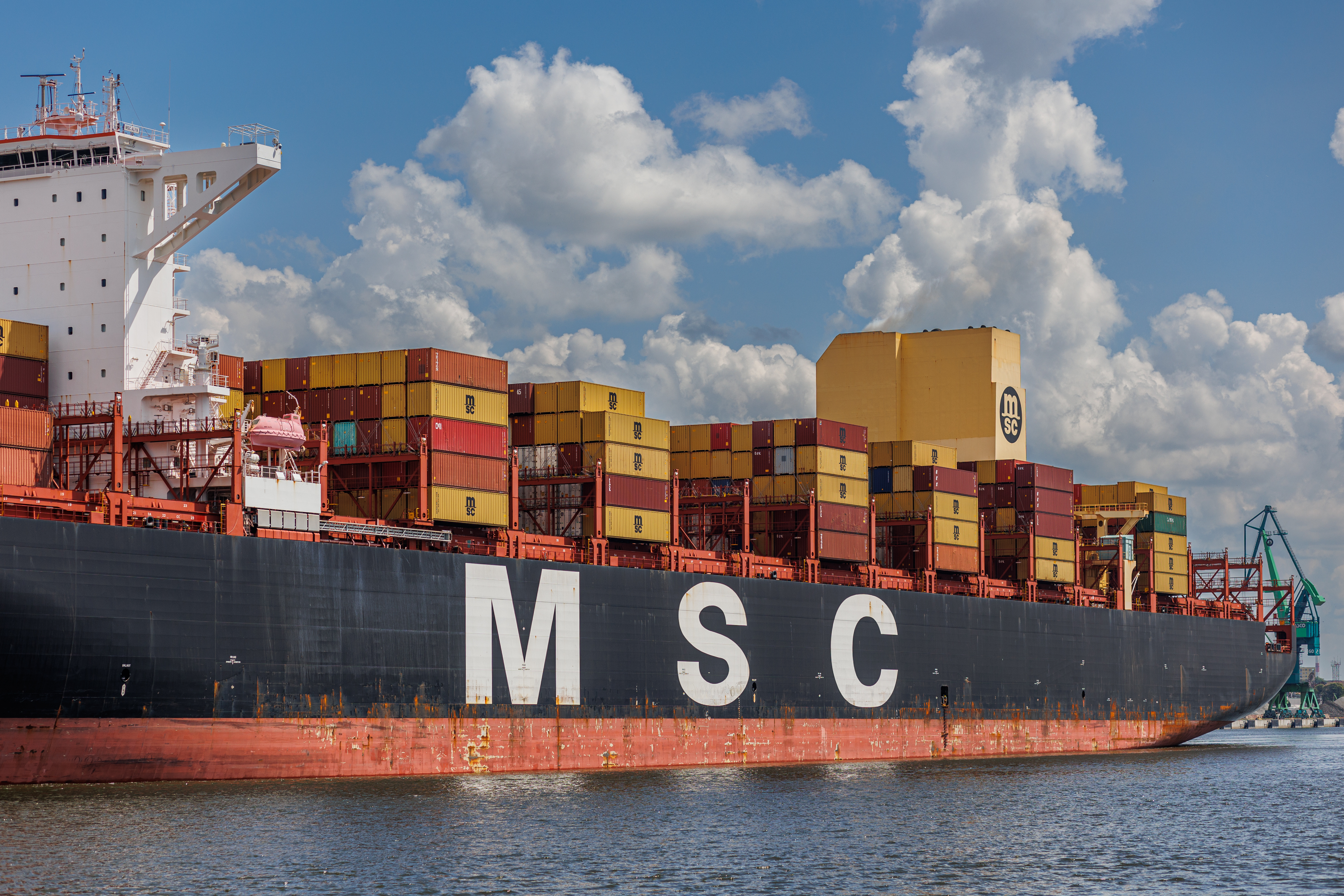
The global container shipping landscape is about to undergo a major shift. The recent announcement of the Premier Alliance, featuring ONE, HMM, and Yang Ming, alongside MSC’s new independent network, marks a pivotal moment for the industry. These developments, set to take effect in February 2025, are more than just business decisions—they represent strategic moves that will reshape the way global trade is conducted.

For logistics professionals, these changes are like a high-stakes chess match, where every move has the potential to impact shipping lanes, rates, and operational planning. Staying ahead means understanding these alliances and how they could affect your business.
Let’s break down the latest moves on this global chessboard—and what they mean for your logistics operations.
Shipping Alliances Explained: A Logistics Professional’s Guide to the Global Power Shift
Shipping alliances like the Premier Alliance and MSC’s new network are not just partnerships—they’re pivotal forces in the container shipping industry. By pooling resources, sharing vessels, and optimizing routes, these alliances allow carriers to provide wider service networks and greater cost-efficiency on major trade lanes.
But what does this mean for your logistics strategy? For LSPs and forwarders, alliances determine the availability of shipping routes, freight capacity, and even pricing. A reshuffle, like the one that’s coming in 2025, could disrupt familiar patterns, forcing businesses to adapt quickly to new schedules and port rotations. So, when alliances reshuffle, it’s a game-changer for logistics professionals.
The New Chess Pieces: Key Moves in 2025
Starting in 2025, major shipping alliances are repositioning themselves on the global trade chessboard. Here are the most significant moves to watch:
| Alliance/Network | Members | Key Trade Routes | Unique Offerings |
|---|---|---|---|
| Premier Alliance | ONE, HMM, Yang Ming | Asia-North America, Asia-Europe | Enhanced service reliability with a focus on direct port connections and optimized sailing schedules. |
| MSC Standalone | MSC | Global (East-West focus) | Suez & Cape of Good Hope routing options, unmatched port coverage |
| Gemini Cooperation | Maersk, Hapag-Lloyd | Global (East-West focus) | Strategic cooperation post-2M alliance, streamlined services |
Why Should You Care? What This Means for LSPs
For logistics professionals, this isn’t just a game of chess between shipping lines—it’s a realignment that affects shipping costs, route options, and service reliability. Here’s how the Premier Alliance and MSC’s standalone network could impact your business:
1. Expanded Route Options: More Choices, More Strategy
MSC’s new standalone network will offer 34 loops across 5 major trade lanes. The ability to route through both the Suez Canal and the Cape of Good Hope means more flexibility for adapting to geopolitical disruptions or congestion. Logistics professionals can use this flexibility to optimize transit times or balance shipping costs.
2. Increased Competition: Service Quality and Pricing Shifts
With alliances reshuffling and MSC going solo, the container shipping market will likely see an increase in competition. More competition often leads to better service and pricing as carriers work to differentiate themselves. But, keep an eye on potential rate volatility, especially during the transition period when capacity realignment occurs.
3. Impact on Capacity: Adjust Your Contracts
These alliances control a large portion of the available shipping capacity on key trade lanes. As they realign, the capacity on certain routes could fluctuate, affecting space availability. If you’re managing high-volume shipments, now might be a good time to renegotiate long-term contracts and secure favorable terms before capacity shifts fully take effect.
4. Service Reliability: Port Pairings and Transit Times
The Premier Alliance promises reliable port pairings and frequent sailings, while MSC’s independent network is expected to offer over 1,900 direct port pairs via Suez and 1,800 via the Cape of Good Hope. This could lead to faster transit times and less congestion, depending on how efficiently these new routes are implemented.

Strategic Moves for LSPs: How to Stay Ahead
In a game as complex as this, logistics professionals need to be more than spectators. Here’s how you can make your own strategic moves:
1. Monitor Alliance Announcements
Keep an eye on alliance developments, especially as new service schedules and rotations are announced. Knowing the exact port calls and rotations will help you plan ahead and adjust accordingly.
2. Diversify Shipping Routes
With more flexible routing options from MSC and other alliances, now’s the time to diversify your shipping lanes. Having alternative routes ensures that you can pivot quickly if one route becomes congested or politically unstable.
3. Strengthen Long-term Contracts
The reshuffling of alliances could impact freight rates and capacity on certain routes. Renegotiate your long-term contracts now to lock in capacity and mitigate any potential cost increases during the transition.
4. Utilize Predictive Analytics
Predicting future disruptions and capacity fluctuations is key in this evolving landscape. Leverage real-time tracking and predictive analytics to stay ahead of potential delays, congestion, or rate changes.

The Final Checkmate: Shipping’s New Era
This reshuffle isn’t just a tactical change for shipping lines—it marks the beginning of a new era in global trade dynamics. With the Premier Alliance in play and MSC’s standalone network on the rise, the stakes have never been higher for logistics professionals. The next few months will determine how these new alliances influence everything from service reliability to shipping rates.
Key Takeaways
- Premier Alliance: Ocean Network Express (ONE), HMM, and Yang Ming form a new alliance for East-West routes, set to start in February 2025.
- MSC’s Independent Network: MSC to launch a standalone network, offering Suez Canal and Cape of Good Hope routing options.
- Implications for Logistics Professionals: Expanded route options, capacity adjustments, and potential pricing shifts.
- Strategic Steps: Monitor developments, diversify routes, renegotiate contracts, and use predictive analytics to stay ahead.
Keep your eye on the board, make your moves carefully, and ensure your strategies are in place before the dust settles in February 2025.
Make Your Strategic Move
At TRADLINX, we offer the tools you need to stay ahead in this evolving landscape. With real-time tracking, route visualization, and predictive management, you can ensure that you’re making informed decisions, no matter how complex the global chessboard becomes.




Leave a Reply