
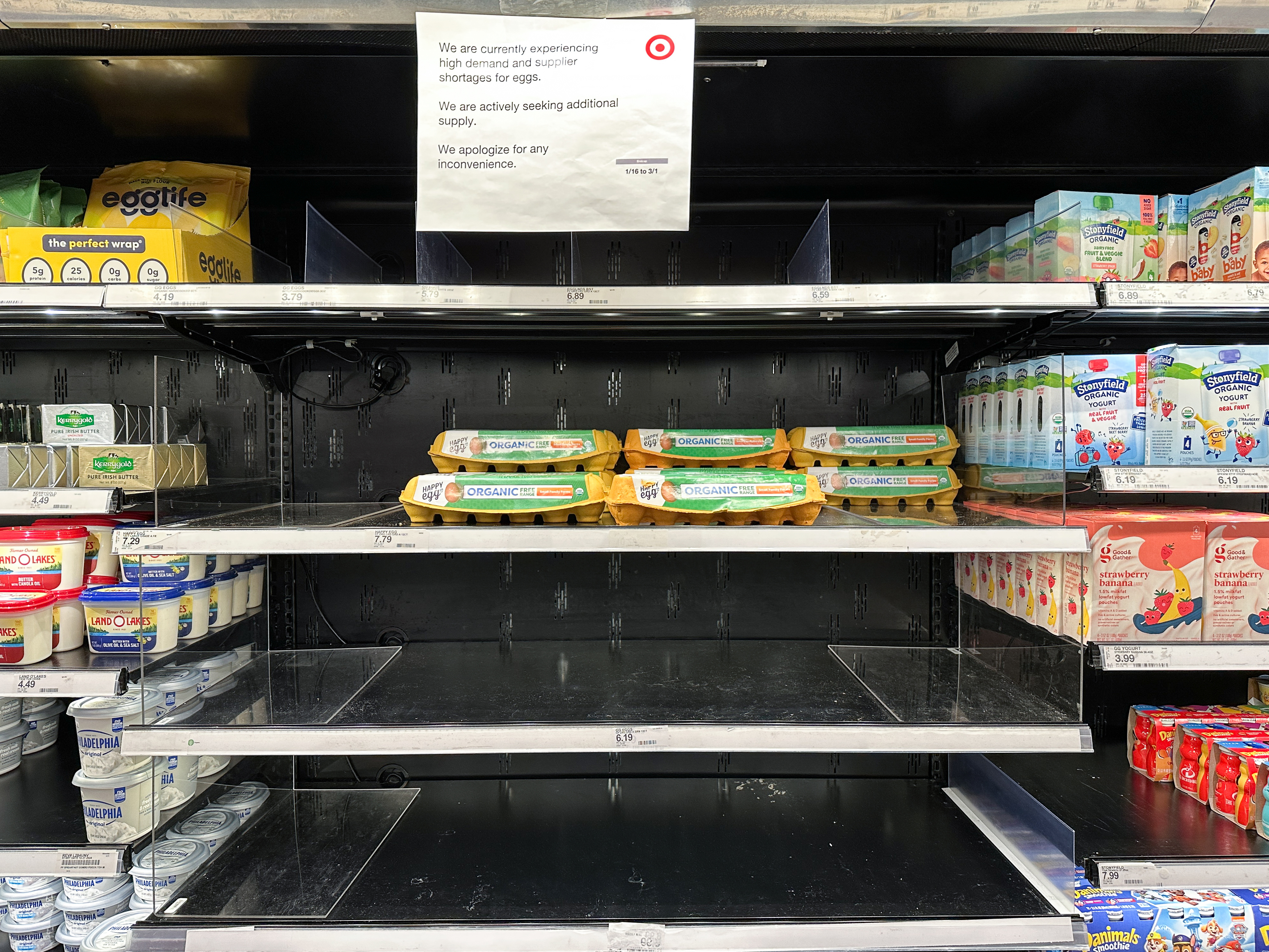
Why Target’s Supply Chain Strategy Is Under the Spotlight in 2025
In 2025, escalating tariffs are placing significant pressure on U.S. retailers, and Target is no exception. With new duties on goods imported from key trading partners—including Mexico, Canada, and China—Target is reassessing sourcing strategies, supplier relationships, and pricing models to mitigate the financial impact.
This post breaks down how Target is adapting to these challenges, and what logistics and supply chain professionals can learn from its evolving strategy.
How Tariffs Are Impacting Target’s Supply Chain and Profitability
- Profit Pressure: Target expects “meaningful year-over-year profit pressure” in Q1 2025 due to tariff-driven cost increases. Source
- Supplier Cost Inflation: Many of Target’s suppliers are facing higher production costs and are negotiating price increases, which puts strain on procurement and vendor relationships. Source
- Consumer Pricing Challenges: Passing higher costs to consumers is a delicate balance—especially as inflation and competition remain concerns for big-box retailers.
Target forecasts net sales growth of just 1% in 2025, signaling the broader challenge tariffs pose to retail logistics and margins.
Target’s Strategic Supply Chain Response
- Diversifying Suppliers: Target is actively sourcing from countries outside the tariff zones to reduce exposure and stabilize supply chains.
- Balancing Pricing Strategy: Selective price hikes are being applied to certain SKUs, while cost absorption is used strategically on others to maintain competitiveness.
- Supplier Collaboration: Target is negotiating better terms with long-term vendors and building flexible agreements to share the impact of rising input costs.
- Investing in Efficiency: Upgrades to forecasting, warehouse automation, and inbound logistics aim to streamline operations and offset higher sourcing costs.
These multi-pronged responses show Target’s commitment to protecting margins while adapting to a volatile global trade landscape.
Key Takeaways for Logistics and Retail Supply Chain Teams
- Diversification Matters: Over-reliance on tariff-affected regions can leave retailers exposed. Multi-country sourcing helps de-risk operations.
- Flexibility with Suppliers: Agile pricing and shared cost strategies are essential in volatile procurement environments.
- Investment in Tech Pays Off: Supply chain visibility, AI-driven forecasting, and automated distribution are critical to managing margin compression.
Retailers like Target are showing that tariff response is about more than just cost control—it’s about structural agility across the entire supply chain.
Target’s Supply Chain in 2025: The Tariff Response
What is Target doing to manage rising costs from tariffs?
Target is diversifying its sourcing footprint, renegotiating supplier contracts, and absorbing costs on select product categories while raising prices strategically on others.
Will Target raise prices due to 2025 tariffs?
Some pricing adjustments are being made, but Target is taking a selective approach to protect consumer loyalty and avoid demand disruption. Source
How are supplier negotiations changing at Target?
Target is seeing suppliers request higher prices due to their own tariff costs. The retailer is negotiating flexible agreements to share these impacts across the supply chain.
Is Target changing how it sources goods?
Yes. Target is reducing exposure to China and other high-tariff countries by expanding its supplier base into Southeast Asia and Latin America.
What long-term changes is Target making to its logistics network?
Target is investing in advanced analytics, improved demand forecasting, and logistics tech to optimize inventory, reduce costs, and gain end-to-end visibility.
Why overpay for visibility? Tradlinx saves you 40% with transparent per–Master B/L pricing. Get 99% accuracy, 12 updates daily, and 80% ETA accuracy improvements, trusted by 83,000+ logistics teams and global leaders like Samsung and LG Chem.


Prefer email? Contact us directly at min.so@tradlinx.com (Americas), sondre.lyndon@tradlinx.com (Europe) or henry.jo@tradlinx.com (EMEA/Asia)



Leave a Reply