

In the fast-paced world of global trade, on-time delivery (OTD) is a critical metric that can make or break a company’s reputation and bottom line. This article delves into the significance of OTD, explores the causes of delays (with a focus on maritime shipping), examines the consequences of late deliveries, emphasizes the importance of delivery management, and offers strategies for improving OTD.
1. Defining On-Time Delivery
On-time delivery refers to the ability of a supplier or carrier to deliver goods or services to the customer within the agreed-upon timeframe. OTD is typically measured as a percentage of total deliveries made on time. A high OTD rate indicates a reliable and efficient supply chain, while a low rate can signal problems in production, transportation, or communication.
2. Why Deliveries Get Delayed (Especially in Maritime Shipping)
Several factors can contribute to delivery delays, particularly in the complex world of maritime shipping:
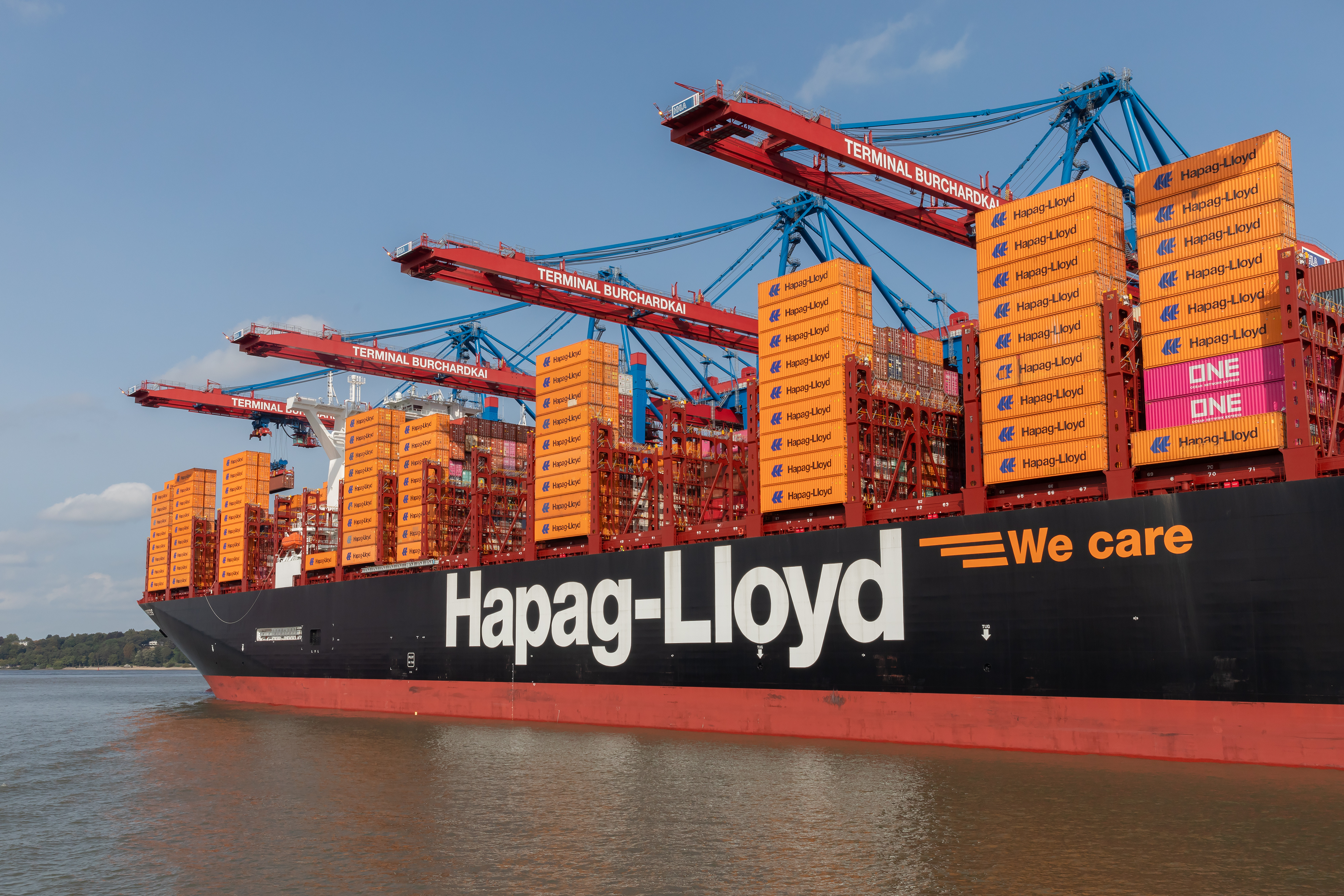
- Port Congestion: Overcrowded ports can lead to significant delays in loading and unloading cargo, especially during peak seasons or unexpected disruptions like the COVID-19 pandemic.
- Adverse Weather Conditions: Storms, hurricanes, and other weather events can force ships to alter their routes or seek shelter, causing delays in arrival times.
- Equipment Malfunctions: Mechanical problems with ships or cargo handling equipment can result in unexpected downtime and delays.
- Documentation Errors: Incorrect or missing documentation can lead to customs delays and other complications.
- Labor Disputes: Strikes or other labor actions can disrupt port operations and cause delays in cargo handling.

3. The Costly Consequences of Late Deliveries
Late deliveries can have a ripple effect throughout the supply chain, resulting in various negative consequences:
- Financial Losses: Late deliveries can lead to lost sales, contract penalties, and increased inventory holding costs.
- Damaged Reputation: Customers who experience repeated delays may lose trust in a company and turn to competitors.
- Production Disruptions: Manufacturers who rely on timely deliveries of raw materials or components may experience production delays, leading to further financial losses and customer dissatisfaction.
- Increased Expediting Costs: Companies may resort to expensive expedited shipping options to mitigate the impact of late deliveries, further eroding profit margins.
4. The Importance of Delivery Management
Effective delivery management is essential for ensuring on-time delivery and minimizing the risk of delays. Key components of delivery management include:
- Real-Time Visibility: Utilizing technology to track shipments in real-time allows companies to identify potential delays early on and take proactive measures to mitigate their impact.
- Proactive Communication: Maintaining open communication with suppliers, carriers, and customers is crucial for managing expectations and addressing any issues that may arise.
- Contingency Planning: Developing contingency plans for potential disruptions can help companies respond quickly and effectively to unexpected events.

5. Strategies for Improving On-Time Delivery
Several strategies can help companies improve their OTD performance:
- Invest in Technology: Implementing supply chain management (SCM) software can provide real-time visibility into shipments, automate processes, and facilitate better communication between stakeholders.
- Partner with Reliable Suppliers and Carriers: Choosing reliable partners with a proven track record of on-time delivery can significantly reduce the risk of delays.
- Optimize Inventory Management: Maintaining optimal inventory levels can help prevent stockouts and ensure that products are available for shipment when needed.
- Implement Lean Principles: Adopting lean principles can help streamline processes, reduce waste, and improve efficiency throughout the supply chain.
- Utilize Data Analytics: Analyzing data on past deliveries can help identify patterns and trends that can be used to improve future performance.
A prime example of technology that can significantly enhance delivery management is TRADLINX OCEAN VISIBILITY. This SCM solution offers end-to-end visibility into maritime shipments, enabling companies to track cargo in real-time, anticipate delays, and make informed decisions to optimize their supply chains. By leveraging such advanced tools, businesses can gain a competitive edge in today’s demanding global marketplace.


In conclusion, on-time delivery is a vital aspect of supply chain management that can significantly impact a company’s success. By understanding the causes of delays, the consequences of late deliveries, and the importance of delivery management, businesses can take proactive steps to improve their OTD performance and achieve their operational goals.


Leave a Reply