
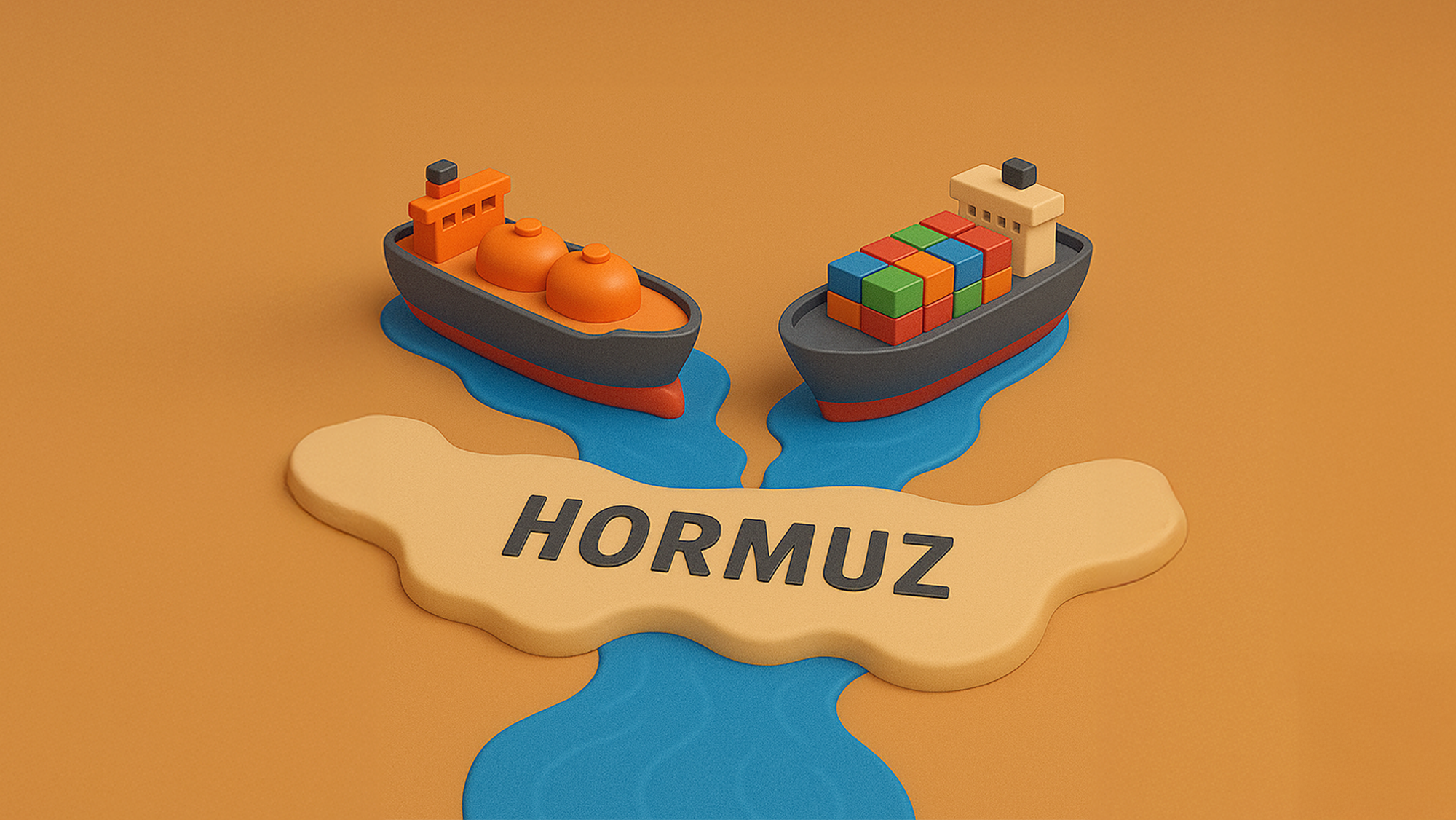
- While the strait remains open, a silent crisis of soaring insurance, GPS jamming, and legal traps has paralyzed the world’s most critical oil route.
The Strait of Hormuz is technically open—but in practical terms, it has become commercially toxic. Many vessel operators are rerouting, delaying, or refusing voyages through the area, not due to panic but due to sharp increases in war-risk costs, GPS disruptions, and legal exposure.
👉 TL;DR – The 3 Hidden Risks Paralyzing Strait of Hormuz
- The Paradox: Shipping in the Strait of Hormuz shows noticeable reduction, but not from direct military attacks. The halt is a calculated business decision, not a reaction to panic.
- The Real Reasons: The shutdown is driven by three specific, unavoidable risks:
- Crippling Costs: War risk insurance has surged, adding as much as $360,000 to the cost of a single voyage.
- Operational Danger: Widespread GPS jamming is causing actual vessel collisions, making safe passage questionable.
- Legal Traps: The threat of ship seizures allows vessel owners to legally refuse to sail, leaving cargo owners liable for all resulting costs and delays.

1. Financial Risk: The Prohibitive Cost of Passage
The most immediate factor stopping ships is the surge in unavoidable costs.
- Exploding Insurance Premiums (AWRP)
- Insurers have drastically increased Additional War Risk Premiums (AWRP) for vessels entering the region.
- Rates have jumped from a standard 0.125% of a ship’s value to as high as 0.4%. This represents a minimum 50% increase in just one week.
- For a single Very Large Crude Carrier (VLCC), this translates to an extra $360,000 (approx. 500 million KRW) in insurance costs for one voyage. This cost is typically passed directly to the charterer.
- A Calculated Halt in Operations
- Faced with these costs, shipping lines are choosing to wait rather than risk the voyage.
- The number of empty tankers heading to the Gulf has plummeted to its lowest point since 2021.
- Major players have formalized this strategy. QatarEnergy, for example, specifically ordered its LNG fleet to “remain outside the Strait of Hormuz until the day before loading cargo”.
- Skyrocketing Freight Rates
- This deliberate reduction in vessel supply has caused a sharp spike in shipping prices.
- The freight rate for a 270,000-ton crude shipment on the Persian Gulf-China route surged by 44% in a single week.

2. Operational Risk: Electronic Warfare and Collision Threats
Even if a company pays the premium, safe passage is not guaranteed. A covert electronic war is already underway.
- GPS Interference is Now a Reality
- The UN and private security firms like Ambrey have repeatedly warned of severe GPS jamming and spoofing in the Persian Gulf.
- Since the conflict began, an estimated 1,000 vessels have been directly affected by major radio-frequency interference in this area.
- The ‘Front Eagle’ Collision
- On June 17, 2025, the VLCC ‘Front Eagle’ collided with another tanker, the ‘Adalynn’.
- The official cause was listed as “navigational miscalculation”. However, the context is critical and operators are questioning if safe navigation is even possible.
- Days before the collision, the ‘Front Eagle’s’ own AIS tracking system showed its location incorrectly as being deep inside mainland Iran, indicating severe GPS manipulation.
3. Legal Risk: The ‘Second Red Sea’ and Contractual Traps
Learning from the costly lessons of the Red Sea crisis, companies are now acutely aware of complex legal dangers.
- The Threat of ‘Selective Targeting’
- Experts believe the most realistic threat is not a full blockade, but “selective targeting” of vessels with links to Israel or its allies. This tactic was used by Houthi rebels in the Red Sea.
- This strategy places every vessel under psychological pressure, as any ship could be the next target.
- Contracts as Legal Minefields
- This threat activates War Risk Clauses (e.g., BIMCO’s CONWARTIME) found in most shipping contracts.
- These clauses give a shipowner the legal right to refuse a voyage if there has been a “qualitative change” in the risk profile since the contract was signed.
- The Charterer’s “48-Hour Dilemma”
- If an owner refuses to sail, the charterer has just 48 hours to designate a safe alternative port.
- If they fail, the owner can legally unload the cargo at a safe port of their own choosing, with all additional costs falling entirely on the charterer. This has forced operators to also consider extra ‘Blocking and Trapping’ insurance.
References
- Shipping Insurance Costs Spike Amid Israel-Iran Conflict – CNBC
- AWRP Tanker Insurance to Jump in Mideast Gulf – Argus Media
- GPS Jamming in Arabian Gulf and Hormuz Disrupts 970 Ships Daily – Windward
- Iran-Israel Conflict and the Strait of Hormuz: Charterparty Implications – Skuld
- Vessels Awaiting Clarity Before Entering Strait – S&P Global
Why overpay for visibility? TRADLINX saves you 40% with transparent per–Master B/L pricing. Get 99% accuracy, 12 updates daily, and 80% ETA accuracy improvements, trusted by 83,000+ logistics teams and global leaders like Samsung and LG Chem.


Prefer email? Contact us directly at min.so@tradlinx.com (Americas) or henry.jo@tradlinx.com (EMEA/Asia)


![[Logistics Alert] Italy’s Unannounced Strike + South Asia Port Aftershocks](https://blogs.tradlinx.com/wp-content/uploads/2025/12/Naples-Port-Stock-Image-1.jpeg)
Leave a Reply