

Global trade has been a cornerstone of economic development and growth for centuries. It has enabled countries to specialize, innovate, and enjoy a higher standard of living. However, the future of global trade is not without its challenges. Here are three significant threats that could impact the future of global trade:
1. Geopolitical Tensions and Trade Wars

One of the most pressing threats to global trade is the rising geopolitical tensions and the potential for trade wars. In recent years, we’ve seen several high-profile disputes between major economies, such as the trade tensions between the United States and China. These conflicts can lead to:
- Increased Tariffs: Higher tariffs make imported goods more expensive, disrupting supply chains and increasing costs for businesses and consumers. For example, the U.S. imposed tariffs on Chinese goods, leading China to retaliate with tariffs on U.S. products. This resulted in higher costs for businesses and consumers in both countries.
- Regulatory Barriers: Countries may implement stricter regulations on imports, making it harder for foreign companies to compete in their markets. An example is the European Union’s stringent regulations on data privacy (GDPR), which have created challenges for non-EU companies trying to do business in Europe.
- Supply Chain Disruptions: Geopolitical tensions can result in sudden changes to trade policies, leading to uncertainty and disruption in global supply chains. The Brexit process caused uncertainty and disruptions in supply chains across Europe, affecting businesses that relied on smooth cross-border trade.
These factors can decrease trade volumes, harm economic growth, and reduce the benefits that global trade typically provides.
2. Environmental Challenges and Climate Change

Environmental challenges and climate change pose a significant threat to the stability and efficiency of global trade. The impacts of these issues include:
- Extreme Weather Events: Increased frequency and severity of hurricanes, floods, and droughts can damage infrastructure, disrupt transportation networks, and delay shipments. Hurricanes like Katrina and Maria severely damaged ports and transportation infrastructure, delaying shipments and increasing costs.
- Resource Scarcity: Climate change can lead to the depletion of essential natural resources, such as water and arable land, affecting agricultural and industrial production. Prolonged droughts in regions like California have impacted agricultural output, affecting the global supply of products such as almonds and wine.
- Regulatory Changes: Governments may impose stricter environmental regulations and carbon taxes, increasing the cost of production and transportation. The introduction of carbon pricing in countries like Canada and the EU has increased the cost of transportation and production, impacting global trade competitiveness.
Adapting to these environmental changes requires significant investment and innovation, which can be challenging for many countries and industries.
3. Technological Disruptions

While technology has historically driven improvements in global trade, it also poses new threats. Technological disruptions can include:
- Cybersecurity Risks: As trade increasingly relies on digital platforms, the risk of cyberattacks on supply chains, financial systems, and trade infrastructure grows. In 2017, the NotPetya cyberattack disrupted operations at Maersk, one of the world’s largest shipping companies, highlighting vulnerabilities in digital supply chains.
- Automation and Job Displacement: Advances in automation and artificial intelligence can lead to significant job losses in industries reliant on manual labor, creating economic and social instability. The rise of autonomous vehicles and robotics in manufacturing threatens jobs in countries like China and Mexico, where labor-intensive industries are prevalent.
- Digital Divide: Not all countries have equal access to advanced technologies. This disparity can widen the gap between developed and developing nations, creating imbalances in trade opportunities. Countries in sub-Saharan Africa often lack access to high-speed internet and advanced technologies, limiting their participation in the digital economy and global trade.
Addressing these technological challenges requires coordinated global efforts to ensure that all countries can benefit from technological advancements while mitigating their risks.
Conclusion
The future of global trade faces significant threats from geopolitical tensions, environmental challenges, and technological disruptions. Addressing these threats requires international cooperation, innovative solutions, and proactive policy measures. By understanding and preparing for these challenges, we can work towards a more resilient and sustainable global trade system.

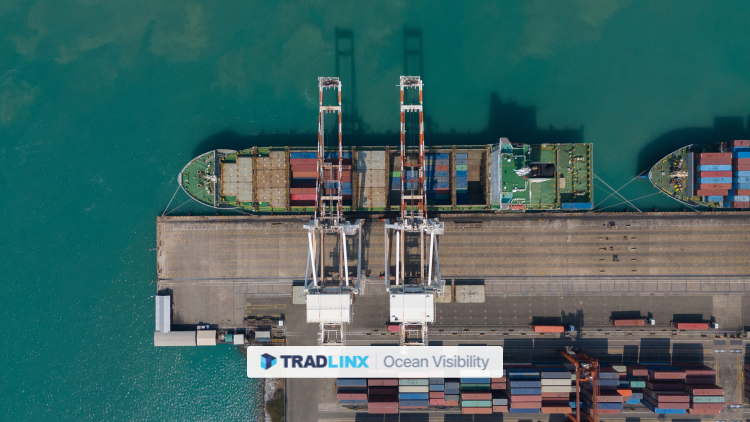
TRADLINX Ocean Visibility revolutionizes supply chain operations with its Ocean Visibility features, offering real-time shipment tracking, predictive analytics for lead times, and seamless management tools for freight forwarders and shippers worldwide.



Leave a Reply