
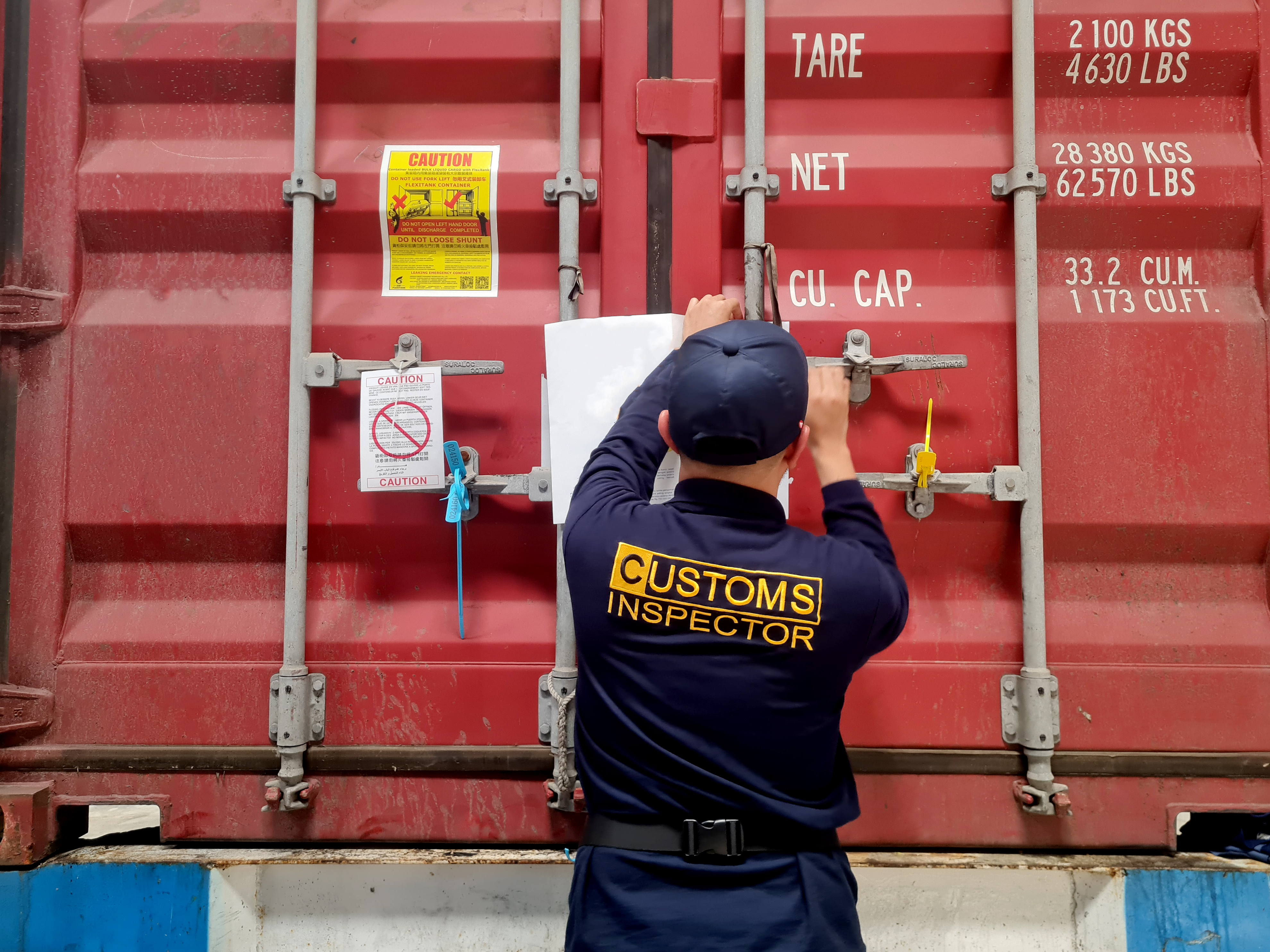
The Authorized Economic Operator (AEO) certification, established by the World Customs Organization (WCO), offers practical benefits that directly impact your business operations. From expedited customs clearances to reduced risks and improved global recognition, AEO status helps you operate more efficiently and securely. Explore how AEO certification can enhance your supply chain and drive your business forward.
What is AEO Certification?
The AEO program is a part of the WCO’s SAFE Framework of Standards, aimed at enhancing supply chain security and facilitating legitimate trade. An Authorized Economic Operator (AEO) is a trusted party in international trade, approved by national customs administrations for meeting WCO’s supply chain security standards.
According to the World Customs Organization (WCO), an authorized economic operator (AEO) is
“a party involved in the international movement of goods in whatever function that has been approved by or on behalf of a national Customs administration as complying with WCO or equivalent supply chain security standards. Authorized Economic Operators include inter alia manufacturers, importers, exporters, brokers, carriers, consolidators, intermediaries, ports, airports, terminal operators, integrated operators, warehouses and distributors”
What Does AEO Certification Involve?
- Eligibility: Any entity within the international supply chain, such as manufacturers, importers, exporters, brokers, carriers, ports, and terminal operators, can apply for AEO status.
- Criteria: Applicants must meet stringent criteria, including compliance with customs laws, appropriate record-keeping, financial solvency, professional competence, and robust security measures.
- Benefits: AEO-certified companies enjoy expedited customs clearance, fewer cargo inspections, improved security, and enhanced communication with supply chain partners.
- Global Recognition: AEO status is recognized internationally, often through mutual recognition agreements, easing global trade operations. As of 2020, there are 97 operational AEO programs globally, with 20 more under development, highlighting the program’s expanding adoption and importance in international trade.
- Program Variations: While the term “AEO” is commonly used, equivalent programs exist under different names, such as CTPAT in the United States.

It maintains the Harmonized System (HS) for goods classification and administers technical aspects of WTO Agreements on Customs Valuation and Rules of Origin
What Are the Benefits of AEO Certification?
Customs-Related Advantages
- Expedited Customs Procedures: AEO status facilitates quicker customs processing, reducing delays.
- Priority Treatment: AEO consignments receive priority during customs checks.
- Pre-arrival Clearance: Access to faster pre-arrival and documentary clearance.
Business Advantages
- Preferred Supplier Recognition: Enhances reputation as a secure and reliable partner.
- Efficient Logistics: Streamlined border processes and improved import/export systems.
- Lower Risk: Reduced risks with third parties and potentially lower insurance premiums.
Global Advantages
- International Recognition: Recognized in over 70 countries, facilitating smoother international operations.
- Mutual Recognition Agreements: Eases trade by mutual recognition with other countries’ customs authorities. As of the latest update, there are 87 operational bi-lateral MRAs and 4 plurilateral/regional MRAs, with 78 more under negotiation, reflecting a growing trend towards global trade facilitation.
Financial Advantages
- Increased Profitability: Efficient logistics lead to higher profits.
- Reduced Financial Burden: Simplified inspections and clearance procedures lower costs.
- Preferential Treatment: Potential cost savings through preferential treatment from customs authorities and business partners.

Global AEO Programs and Mutual Recognition Agreements
AEO programs are designed to enhance supply chain security and facilitate trade by recognizing trusted traders and providing them with various benefits, such as reduced inspections and expedited processing at borders. The mutual recognition agreements (MRAs) between these programs further enhance their effectiveness by ensuring that AEO status granted in one country is recognized by customs authorities in another, thereby streamlining international trade operations.
Major Countries with AEO-like Programs:
- United States: C-TPAT (Customs-Trade Partnership Against Terrorism) – Established in 2001, it aligns with the WCO’s SAFE Framework and has mutual recognition agreements (MRAs) with several countries.
- Canada: PIP (Partners in Protection) – This program is similar to the AEO and is part of the broader framework of MRAs under the WCO.
- European Union: AEO (Authorized Economic Operator) – Launched in 2008, this program is uniform across all EU member states and has multiple MRAs with countries like the US, Japan, and China.
- China: AEO – Implemented in line with the WCO standards, China has MRAs with the EU, Japan, and other major trading partners.
- Japan: AEO – Japan’s program adheres to the WCO’s SAFE Framework and has MRAs with the EU, US, and other countries.
- South Korea: AEO – South Korea’s program is compliant with WCO standards and has MRAs with several countries, including the US and EU.
- Australia: Trusted Trader – Launched in 2016, this program is similar to the AEO and has MRAs with countries like New Zealand and the US.
- India: AEO – India’s program follows WCO guidelines and has MRAs with countries such as Japan and South Korea.
- Mexico: NEEC (Nuevo Esquema de Empresas Certificadas) – This program is aligned with the WCO’s AEO standards and has MRAs with the US and Canada.
- Brazil: OEA (Operador Econômico Autorizado) – Brazil’s AEO program is in line with WCO standards and has MRAs with countries like the US and Argentina.
Preparing for AEO Success: Upcoming Insights
Understanding the benefits and global recognition of AEO certification is crucial for any business involved in international trade. By securing AEO status, your company can enjoy expedited customs processes, enhanced security, and a stronger global reputation.
Stay tuned for Part 2, where we will delve into the challenges of obtaining AEO certification and how leveraging technology like Ocean Visibility by TRADLINX can streamline the process and enhance your chances of success. Additionally, we will explore the details of AEO-like programs in different countries and how TRADLINX Ocean Visibility can be beneficial across various global AEO frameworks.
Why Choose TRADLINX Ocean Visibility?
TRADLINX Ocean Visibility offers real-time tracking, route visualization, automatic updates, and predictive management, making it an invaluable tool for achieving and maintaining AEO certification. By integrating TRADLINX Ocean Visibility into your supply chain management, you can ensure compliance, enhance security, and improve operational efficiency, all of which are essential for successful AEO certification.

For more information on how Tradlinx Ocean Visibility can support your AEO certification journey, visit Tradlinx Ocean Visibility.



Leave a Reply