
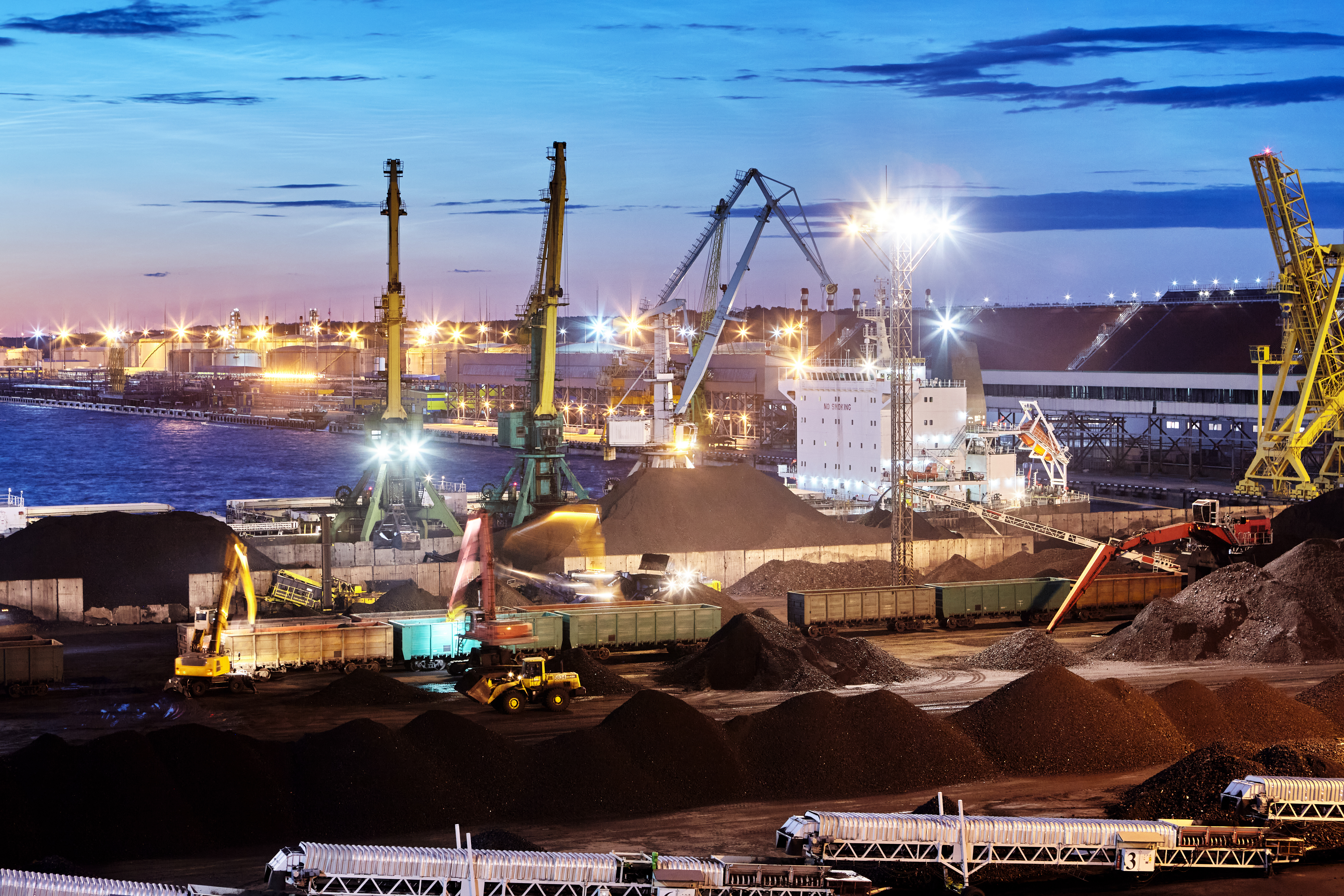
From iron ore fueling global steel production to grains feeding populations, dry bulk shipping plays a critical role in the global economy. But how does it work, and why does vessel type matter? In this in-depth guide, we explore dry bulk shipping, vessel classifications, and how Capesize ships shape international trade.
What is Dry Bulk Shipping?
Dry bulk shipping refers to the transportation of unpackaged commodities in large quantities across oceans using bulk carriers.
🔹 Common Dry Bulk Commodities
- Major Bulk: Iron ore, coal, grain.
- Minor Bulk: Cement, sugar, fertilizers, bauxite, and salt.
🔹 How Dry Bulk Shipping Works
Unlike containerized cargo, dry bulk is loaded directly into the cargo hold of a bulk carrier using cranes, conveyor belts, or suction pipes, depending on the material type.
Types of Bulk Carrier Vessels & Their Trade Impact
Bulk carriers come in various sizes, each designed for specific cargo loads and trade routes. Here’s how they compare:
| Vessel Type | Capacity (DWT) | Best For | Trade Route Considerations |
|---|---|---|---|
| Handysize | 10,000 – 35,000 | Small cargo loads, minor ports | Can enter shallow ports; best for grain, fertilizers |
| Supramax | 50,000 – 65,000 | Mid-sized shipments | More flexible than Panamax, self-loading cranes improve efficiency |
| Panamax | 65,000 – 80,000 | Large-volume shipments | Designed for the Panama Canal; used for coal and grain |
| Capesize | 150,000+ | Heavy bulk cargo (iron ore, coal) | Can’t fit through canals, requires deep-water ports |
✔ Why Size Matters: Larger vessels reduce cost per ton but require specialized ports, while smaller vessels offer flexibility but may be less economical for high-volume shipments.
🌍 Key Trade Routes for Capesize Bulk Carriers
Capesize vessels dominate bulk shipping routes due to their economies of scale. These routes influence global commodity pricing:
- Australia to China – The most stable route, accounting for ~25% of Capesize ton-miles.
- Brazil to China – Longer route but essential for high-grade iron ore; more expensive but profitable for shipowners.
- Guinea to China – An emerging route for bauxite shipments, growing in Capesize ton-miles.
🚢 Why Vessel Type Selection Matters in Bulk Shipping
Choosing the right bulk carrier isn’t just about size—it directly impacts shipping efficiency, costs, and market access.
- Capesize: Cost-efficient for high-volume iron ore & coal but requires deep-water ports.
- Panamax: More flexible, can transit the Panama Canal, best for coal & grain.
- Handysize/Supramax: Ideal for minor ports and diverse cargo.
Why Dry Bulk Shipping Matters for Global Trade
Over 50% of global seaborne trade consists of dry bulk cargo, making it a key pillar of global commerce. Unlike container shipping, which moves packaged goods, dry bulk shipping transports unpackaged raw materials like iron ore, coal, grains, and fertilizers in massive quantities.
Disruptions in bulk shipping directly impact commodity prices, trade stability, and industry profitability. Here’s how:
1️⃣ Food Security & Agricultural Trade
- The cost of bread in Europe or rice in Asia depends on bulk grain shipments.
- A 10% increase in freight rates can raise global grain prices, affecting food affordability.
- Example: In 2022, disruptions in the Black Sea grain corridor led to record-high wheat prices, increasing food insecurity.
📌 Why It Matters: Agricultural importers, exporters, and food producers must monitor bulk shipping conditions to manage supply risks and pricing strategies.
2️⃣ Energy Security & Global Power Grids
- Coal and bauxite shipments drive power generation, particularly in Asia.
- In 2021, coal shipping delays due to port congestion caused fuel shortages in China and India.
- Market Impact: Bulk shipping bottlenecks increase costs for power plants, manufacturers, and end consumers.
📌 Why It Matters: Energy firms and governments rely on stable dry bulk shipping networks to prevent power shortages and price spikes.
3️⃣ Steel, Construction & Infrastructure Development
- 90% of the world’s iron ore is shipped by sea, making bulk shipping essential to steel production.
- Freight rate fluctuations impact global infrastructure costs, from bridge-building to skyscrapers.
- Example: Rising Capesize freight rates in 2023 increased steel prices by 12%, delaying major construction projects.
📌 Why It Matters: Steel producers, construction firms, and investors must track bulk shipping trends to anticipate cost fluctuations and supply chain risks.
The Future of Dry Bulk Shipping
🔹 Freight Rate Volatility & Supply Chain Disruptions
- The 2021 global supply chain crisis caused record-high shipping rates, affecting bulk cargo affordability.
- Example: Iron ore prices surged by 50% in 2021 due to high demand and shipping constraints.
🔹 Sustainability & IMO Regulations
- IMO 2023 rules require bulk carriers to reduce carbon emissions.
- LNG-powered Capesize ships are emerging as a more sustainable alternative.
📢 Latest News & Trends LSPs Should Know in 2025
As the dry bulk shipping industry evolves, staying informed about current developments is critical for logistics service providers (LSPs). Here are some key updates shaping the market this year:
1️⃣ Record Newbuilding Deliveries
- 2025 will see 541 new bulk carriers entering the market, including 40 Capesize vessels. This influx could lead to overcapacity and freight rate fluctuations.
- What LSPs Should Do: Monitor freight rates closely and explore opportunities in emerging markets to offset potential rate drops.
2️⃣ Freight Rate Volatility
- Capesize freight rates remain unpredictable, with charterers increasingly splitting cargoes onto smaller Panamax vessels to reduce costs.
- What LSPs Should Do: Offer flexible vessel options and optimize route planning for clients looking to cut costs.
3️⃣ China’s Rising Demand for Raw Materials
- China’s bauxite imports surged by 41% year-on-year in 2024, while iron ore imports remain strong.
- These trends are driving demand along routes like Guinea-China and Brazil-China.
- What LSPs Should Do: Focus on aligning services with long-haul routes and high-demand commodities.
4️⃣ Sustainability Regulations
- The IMO’s stricter emissions rules are pushing carriers toward LNG-powered vessels and other green technologies.
- What LSPs Should Do: Partner with eco-conscious carriers or adopt digital tools to track carbon footprints and improve sustainability.
5️⃣ Emerging Trade Routes
- Simandou’s iron ore shipments from West Africa could begin this year, creating new opportunities for Capesize vessels.
- What LSPs Should Do: Expand networks to include emerging trade corridors like Simandou-China.
6️⃣ Digitalization in Dry Bulk Shipping
- AI-powered fleet management systems are revolutionizing operational efficiency.
- What LSPs Should Do: Invest in digital tools to streamline operations, reduce costs, and enhance customer satisfaction.
📌 Final Thoughts – Why Vessel Type Matters
Understanding bulk carrier types isn’t just about ship size—it directly affects:
- ✅ Trade route selection & shipping costs
- ✅ Port accessibility & cargo handling efficiency
- ✅ Market volatility & global trade trends
Navigating 2025’s dry bulk shipping trends requires the right strategies and tools. Whether you need real-time market insights, digital solutions, or freight optimization, TRADLINX is here to help.





Leave a Reply