
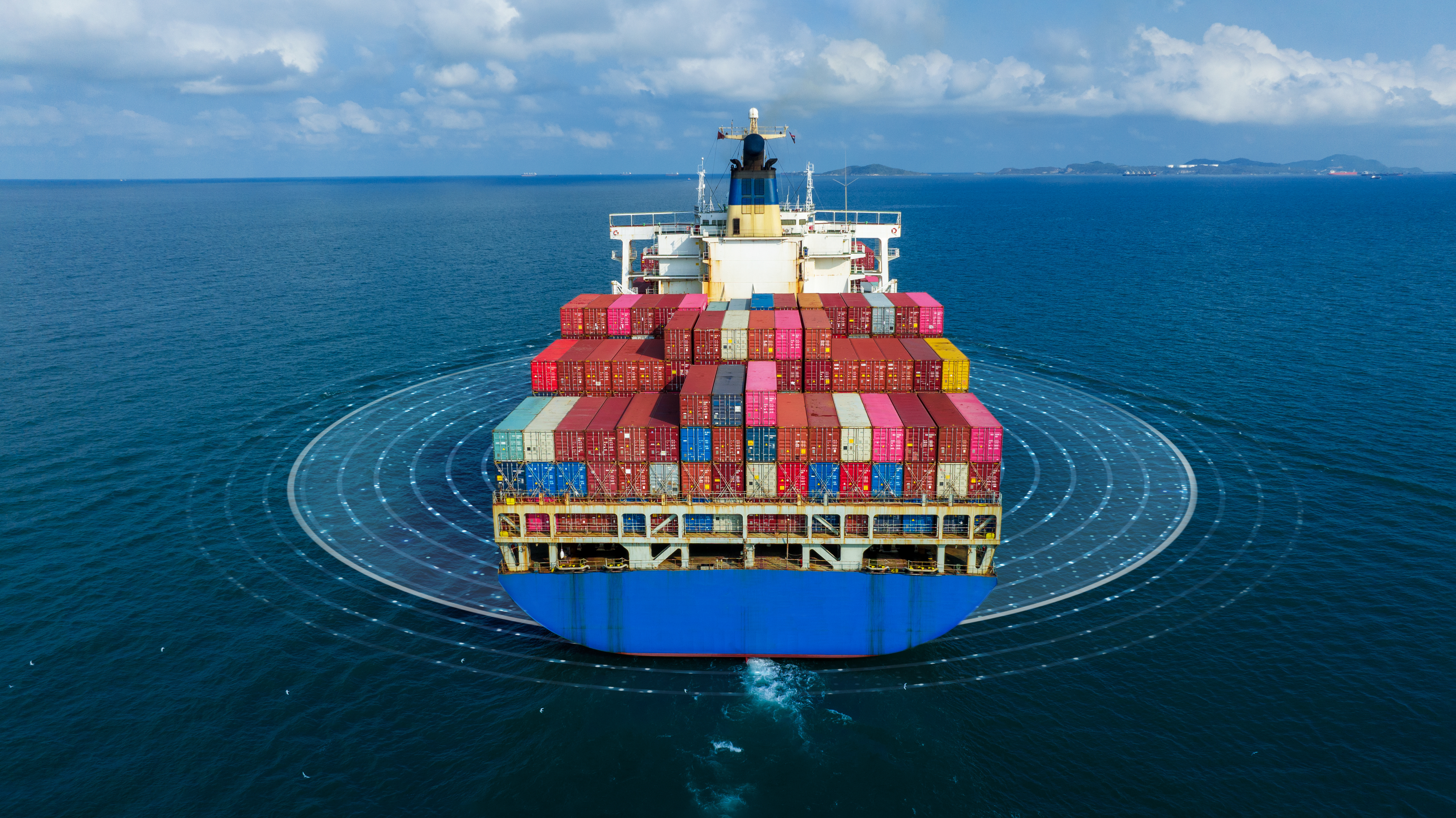
What is Ocean Visibility?
Ocean freight visibility refers to the ability to monitor and track shipments throughout their journey in the global supply chain. This visibility provides real-time data on the location and status of cargo, allowing shippers to manage and optimize their operations effectively.
For logistics professionals, ocean visibility is crucial for several reasons. It ensures timely deliveries, reduces operational inefficiencies, and enhances customer satisfaction. In a competitive market where delays can lead to significant financial losses and tarnished reputations, having precise and actionable insights into the movement of goods is invaluable.
Once a tool accessible only to large corporations, advancements in technology have now made ocean visibility solutions available to independent forwarders and small to mid-sized enterprises, leveling the playing field in the logistics industry.
The concept of ocean visibility has evolved significantly over the years:
• Early Days (1950s-1960s): Manual tracking methods and paper documentation were the norm. The invention of the modern shipping container in 1956 by Malcolm McLean standardized cargo transport.
• EDI Emergence (1960s-1970s): The introduction of Electronic Data Interchange (EDI) improved information exchange, though it was still limited in real-time capabilities.
• Satellite Technology (1980s-1990s): Enhanced ship-to-shore communication and introduced GPS tracking for vessels.
• Internet and Web-Based Tracking (Late 1990s-2000s): Allowed carriers to offer online tracking services to customers.
• RFID and IoT (2000s-2010s): Enabled more detailed shipment monitoring through RFID technology and IoT sensors.
• Cloud Computing and Big Data (2010s-Present): Sophisticated tracking and data analysis, providing predictive ETAs and better risk management.
• API Integration and Real-Time Visibility (2010s-Present): Seamless data integration between systems, offering end-to-end supply chain tracking.
Understanding the evolution of ocean visibility highlights its importance in modern logistics. Today, it’s not just about knowing where your shipment is, but also about predicting when it will arrive, managing exceptions, and making informed decisions based on real-time data. Here are the key aspects of ocean freight visibility that you can expect from today’s advanced SaaS solutions:
- Real-Time Tracking: Provides the precise location of containers and cargo in transit, enabling shippers to monitor their shipments from port to port.
- Predictive ETAs: Offers more accurate estimated times of arrival compared to traditional methods, helping shippers plan better.
- Multimodal Tracking: Tracks shipments across different modes of transportation, including transshipment ports, ensuring end-to-end visibility.
- Actionable Insights: Delivers data and analytics that help shippers optimize routes, manage inventory, and improve overall efficiency.
- Exception Management: Alerts shippers to potential delays or issues, allowing them to take proactive measures to mitigate disruptions.
- Digital Documentation: Centralizes all necessary shipping documents, making it easier to manage compliance and reduce paperwork errors.
How Does Ocean Visibility Help Save Costs?
For Shippers and Forwarders
- Reduced Demurrage and Detention Fees: Real-time tracking allows shippers to manage container dwell times better at ports, reducing costly demurrage and detention charges. By knowing exactly when a container will arrive, shippers can streamline their operations to ensure timely pickup and delivery, avoiding extra costs.
- Optimized Resource Allocation: Accurate ETAs enable forwarders to plan and allocate resources more efficiently, reducing idle time and associated costs. This optimization means that trucks, warehouses, and other logistics resources can be scheduled more effectively, minimizing downtime and maximizing productivity.
- Improved Rate Negotiation: With comprehensive data on carrier performance and transit times, shippers can negotiate better rates with carriers. Armed with precise information, shippers can hold carriers accountable for delays and negotiate discounts or better terms based on actual performance data.
- Proactive Risk Management: Early identification of potential delays or disruptions allows forwarders to take preventive measures, avoiding costly last-minute solutions. For instance, if a delay is anticipated, alternative routes or expedited shipping options can be arranged in advance, preventing disruption to the supply chain.
- Minimized Inventory Costs: More accurate ETAs allow for better inventory management, reducing the need for excess safety stock. Shippers can rely on precise arrival times to manage inventory levels more closely, reducing the carrying costs associated with holding extra inventory.
For Carriers
- Improved Operational Efficiency: Real-time tracking allows carriers to optimize their routes, schedules, and asset utilization, leading to reduced operational costs. This includes better management of ship movements and more efficient port operations, ensuring that vessels spend less time idle and more time in transit or being loaded/unloaded.
- Enhanced Customer Service: Providing real-time updates and accurate ETAs improves customer satisfaction, potentially leading to increased business and loyalty. Carriers that can offer precise tracking information and proactive updates to their clients are likely to build stronger relationships and gain repeat business.
- Reduced Manual Labor: Automation of tracking and reporting processes saves time and reduces labor costs associated with manual tracking and communication. Digital tools and platforms can automatically update all stakeholders, reducing the need for constant manual checks and communications.
- Optimized Logistics Planning: Visibility into port congestion and vessel schedules enables more efficient routing and chartering decisions, leading to significant cost reductions. Carriers can adjust their schedules to avoid congested ports or to synchronize with available docking times, minimizing delays and associated costs.
- Proactive Maintenance Scheduling: With visibility into the entire fleet’s operations, carriers can schedule maintenance more effectively, reducing unexpected breakdowns and downtime. This proactive approach ensures that vessels are always in good operating condition, reducing the likelihood of costly emergency repairs and operational halts.
How Ocean Visibility Solutions Cater to Different Customer Groups
For Logistics Providers and Freight Forwarders
- Increased Transparency: Provide clients with real-time updates and proactive notifications about their shipments, enhancing trust and client satisfaction.
- Streamlined Operations: Optimize logistics planning and execution by leveraging real-time data, improving efficiency and reducing costs.
- Enhanced Risk Management: Quickly identify and mitigate potential risks in the supply chain, minimizing disruptions and maintaining service levels.
For Carriers
- Efficient Fleet Management: Utilize real-time tracking and predictive analytics to optimize vessel operations, reducing idle times and improving asset utilization.
- Customer Service Excellence: Offer shippers detailed, real-time updates, improving communication and service levels, leading to higher customer retention.
- Data-Driven Decisions: Leverage visibility data to make informed decisions about routing, scheduling, and maintenance, enhancing operational efficiency.
For Retailers and Manufacturers
- Improved Inventory Management: Use precise ETAs and real-time tracking to manage inventory levels more effectively, reducing carrying costs and stockouts.
- Enhanced Supplier Collaboration: Share visibility data with suppliers to improve coordination and ensure timely deliveries, boosting overall supply chain performance.
- Optimized Supply Chain Planning: Leverage actionable insights to streamline supply chain processes, reducing costs and improving service levels.
Implementing ocean freight visibility solutions can significantly enhance efficiency and reduce costs across various aspects of the supply chain. By providing real-time data, predictive analytics, and actionable insights, these solutions empower shippers, carriers, and logistics providers to optimize their operations, improve customer satisfaction, and achieve substantial cost savings. As the logistics industry continues to evolve, embracing advanced visibility technologies will be crucial for staying competitive and resilient in the face of ongoing challenges.
Ocean Visibility Platforms Comparison
Here’s a comparison of major ocean visibility platforms, highlighting their key features and pricing:
| Platform | Real-Time Tracking | Predictive ETAs | Document Storage | Analytics/Reporting | Global Traffic Coverage |
|---|---|---|---|---|---|
| FourKites Dynamic Ocean | Yes | Yes | Yes | Yes | Extensive |
| project44 | Yes | Yes | No | Yes | Extensive |
| Macro Point | Yes | Yes | No | Yes | Extensive |
| TRADLINX Ocean Visibility | Yes | Yes | Yes | Yes | Extensive |
| Vizion API | Yes | Yes | No | Yes | Major carriers |
Key Features Comparison:
- Real-Time Tracking: All platforms offer this feature, providing the precise location of containers and cargo in transit.
- Predictive ETAs: Available in all platforms, offering more accurate estimated times of arrival.
- Digital Document Storage: Only FourKites Dynamic Ocean and TRADLINX Ocean Visibility offer this feature, centralizing all necessary shipping documents.
- Analytics and Reporting: Available in all platforms, delivering data and insights to optimize operations.
- Integrations with TMS/ERP: Supported by all platforms, ensuring seamless data integration.
Pricing Overview:
- FourKites Dynamic Ocean: Custom pricing based on volume and needs.
- project44: Tiered pricing based on shipment volume.
- Descartes MacroPoint: Custom pricing based on needs.
- TRADLINX Ocean Visibility: Offers a free starter plan, with custom pricing for advanced features.
- Vizion API: Usage-based pricing, starting from $0.25 per container per month.
When choosing a platform, consider factors such as integration capabilities with your existing systems, coverage of carriers and routes relevant to your business, accuracy and timeliness of data, user interface, and ease of use, customer support and training options, and scalability to match your business growth. Request demos and conduct pilot tests to ensure the chosen platform meets your specific needs.
Boost Your Logistics Efficiency with TRADLINX Ocean Visibility
In the fast-paced world of logistics, staying ahead means leveraging the best tools available. With TRADLINX Ocean Visibility, you gain unparalleled insights into your shipments, enabling you to optimize routes, reduce delays, and cut costs.

Start your free trial today and experience how TRADLINX Ocean Visibility can transform your logistics operations, enhance efficiency, and significantly reduce costs. Don’t let outdated methods hold you back. Embrace the future of logistics with TRADLINX.



Leave a Reply