

From Anomaly to Default: Why It Feels Like Everything’s on Strike
If it feels like everything is on strike, you’re not imagining it. In 2025 alone, port slowdowns, rail walkouts, customs go-slows, and warehouse pickets have hit every continent—with no sign of easing.
For logistics professionals, this isn’t just disruptive—it’s defining. Strikes have moved from being rare shocks to a constant operating variable. Planning resilience now requires understanding why labor unrest is surging, how today’s strikes differ from past ones, and what to do next.
This post gives you both a live snapshot of every major strike affecting global cargo today, and the structural insights to help you plan ahead. From Rotterdam to Santos, Mombasa to Osaka—here’s what’s happening, why it matters, and how to respond.
The World Is on Strike – A Live Snapshot
As of 30 June 2025, at least 11 active strikes are directly disrupting container flows, rail freight corridors, customs clearance operations, or parcel delivery networks worldwide. An additional 6 disputes have technically reached settlement but continue to cause downstream congestion or carry the risk of renewed stoppages.
Labor unrest is no longer isolated—it’s synchronized and structural. Logistics professionals must now treat strike exposure as a core operational risk, not a one-off event.
🔎 Key Insights
- Europe: Northern Europe’s ports (especially Rotterdam and Gothenburg) are enduring rolling stoppages and indefinite slowdowns.
- Americas: Brazil’s customs zero-clearance regime and Canada’s parcel backlog are rippling through trade lanes.
- Asia-Pacific: Repetitive port strikes in Japan and industrial action at Australia’s Patrick Terminals continue to add clearance delays.
- Africa: Kenya’s warehouse loaders remain on indefinite strike, halting key inland cargo flows.
• 11 active strikes disrupting ports, rail, and customs
• 6 more technically resolved but still delaying cargo
• 80% of Germany’s freight rail was canceled during June’s strike
• $2.1M/day in demurrage caused by Brazil’s customs slowdown
• Container delays in Northern Europe now average 4–7 days
Why This Is Different: A Shift, Not a Cycle
Strikes in logistics aren’t new. What’s new is how many are happening at once—and how different the dynamics are. Compared to the cyclical, localized walkouts of the past, today’s strike wave reflects a deeper transformation in labor relations.
📉 Then vs. Now: Historical Comparison
| Pre-2020 | 2020–2025 | |
|---|---|---|
| Scope | Localized, mostly port-specific | Global, multi-sector, simultaneous |
| Demands | Wages, safety, hours | Wages + automation + job security |
| Coordination | Union-led, fragmented | Cross-sector, regionally linked |
| Frequency | Every 3–6 years (contract cycle) | Rolling, annualized pressure |
🔧 Strategic Awareness and Automation Fears
Post-pandemic, logistics workers understand their strategic value. That leverage is now directed at resisting automation, securing job protections, and demanding cost-of-living pay increases. In ports like Los Angeles and Rotterdam, workers have explicitly demanded bans on automated equipment as a condition for labor peace.
Global Strike Map – Regional Hotspots
Strikes are flaring in waves across continents. Below is a region-by-region digest of high-impact labor actions currently affecting cargo flows as of June 2025.
🇪🇺 Europe
- Rotterdam: Indefinite strike at Maasvlakte II has reduced throughput by ≈40% since early June. Major carriers are skipping scheduled calls.
- Sweden: Rolling stoppages across 11 ports are delaying forestry, Ro-Ro, and feeder volumes.
- Germany: A six-day national rail strike cancelled 80% of DB Cargo freight paths, rerouting flows to road and driving up inland rates.
- UK: A rest-day and overtime ban by CrossCountry staff is reducing rail cargo reliability on key corridors.
🌎 Americas
- Brazil: Customs auditors’ “zero-clearance” campaign at Santos and Paranaguá is causing 3–5 day delays for non-perishables.
- Canada: DHL Express resumed partial service after a 12-day shutdown; parcel volumes remain backlogged.
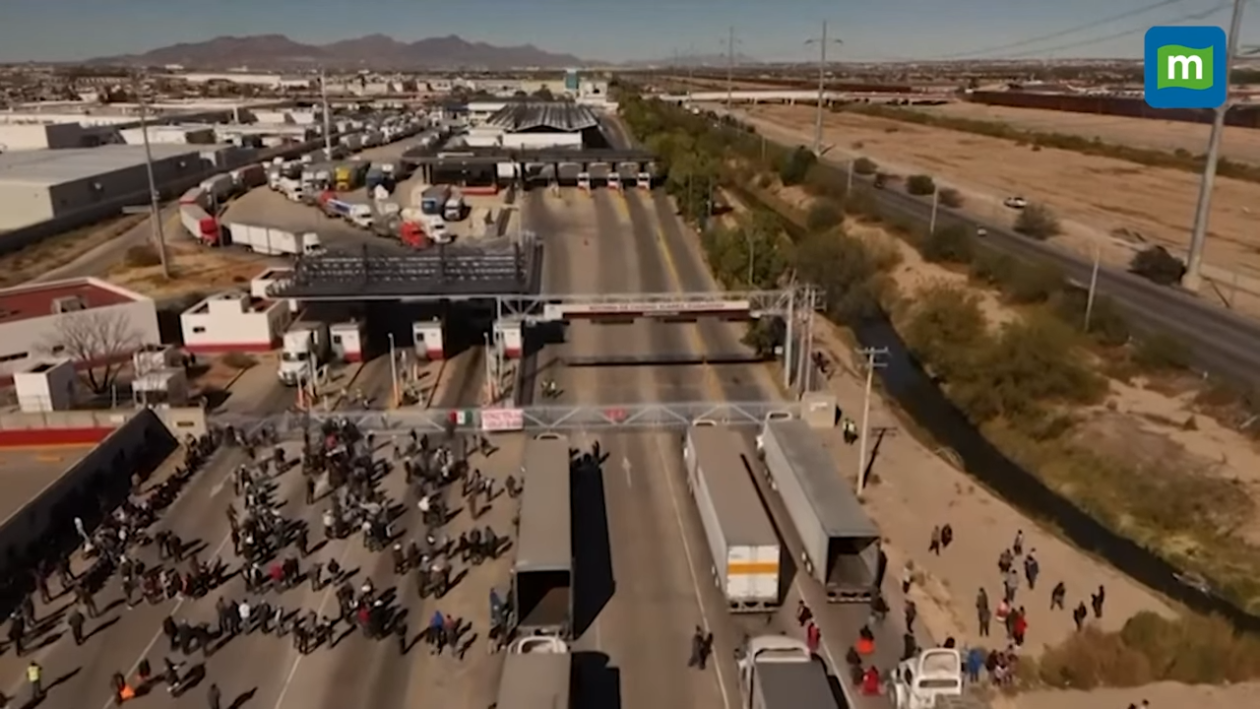
- Mexico: Work-to-rule at Manzanillo is throttling container flow, especially for exports and transload cargo.
🌏 Asia-Pacific
- Japan: Monthly 24-hour port strikes continue, with another slated for 20 July.
- Australia: Protected Industrial Action at Patrick Terminals has forced shipping lines to impose congestion surcharges.
🌍 Africa
- Kenya: Indefinite strike at Mombasa’s Shimanzi ICD is halting break-bulk and fertilizer cargo.
- South Africa: Recent wage settlement may not hold; Transnet performance remains fragile.
| Country | Sector | Status | Start Date | Notes |
|---|---|---|---|---|
| Sweden | Ports | Active | 2025-06-19 | Rolling stoppages, overtime/hiring ban |
| Netherlands | Ports | Active | 2025-06-04 | Indefinite strike, slowdown |
| Brazil | Customs | Active | 2024-11-01 | Work-to-rule, inspection bans |
| Canada | Parcel | Active | 2025-06-08 | Phased service restart after strike |
| UK | Rail | Active | 2025-06-09 | Overtime ban, cargo capacity cut |
| Germany | Rail | Active | 2025-06-24 | Nationwide walkout, freight paths down |
| Australia | Ports | Active | 2025-01-01 | 1-hr stoppages, shift bans |
| Mexico | Customs | Active | 2025-05-12 | Work-to-rule, backlog persists |
| Japan | Ports | Active | 2025-04-20 | 24-hr national strikes, next 20 Jul |
| Kenya | Ports | Active | 2025-06-15 | Indefinite strike, picket |
| India | Ports | Planned | 2025-08-28 | 7-day strike notice, protests escalate |
Market Consequences Already in Motion
Strike-related disruption is no longer a one-off cost—it’s being priced into global supply chains. From blank sailings to force majeure clauses, the effects are already rippling through contracts, costs, and capacity.
🚢 Rerouting and Congestion
- Rotterdam diversions are adding 4–7 days transit and up to €500 per container in trucking surcharges.
- Feeder schedule mismatches in the Baltic are pushing container transshipment windows out by 2–3 days.
✈️ Mode Shifts and Rate Spikes
- Germany’s rail strike pushed high-value automotive spares to airfreight, raising FRA outbound spot rates by 12% in one week.
- Courier reroutes in Canada are shifting express traffic to U.S. hubs like Buffalo and Detroit, affecting linehaul timetables.
⚖️ Contractual and Legal Fallout
- Force majeure clauses have been triggered across Scandinavian Bills of Lading.
- Demurrage costs in Brazil from customs delays are estimated at US$2.1 million per day.
Insurers, forwarders, and shippers are all revising their terms to account for strike volatility.
What Happens Next? 2025–26 Strike Outlook
The wave of strike actions isn’t winding down—it’s organizing, expanding, and syncing with broader labor movements. Logistics service providers must treat the second half of 2025 and all of 2026 as an ongoing strike season.
📆 Forward-Looking Strike Calendar
| Date | Event | Impact |
|---|---|---|
| 1 Jul 2025 | Rotterdam mediation talks resume | Could escalate to nationwide Dutch port strike |
| 2 Jul 2025 | South Africa: Transnet–UNTU hearing | Strike risk if no wage implementation deal |
| 5 Jul 2025 | India dockworker protests escalate | May prefigure full port strike in August |
| 20 Jul 2025 | Japan 24-hr port strike (tentative) | 4–6 day clearance lag expected |
| 28 Aug 2025 | India 7-day strike across all major ports | Up to 9M TEU in annual capacity affected |
| 25 Oct 2025 | UK CrossCountry OT ban (scheduled end) | Continued disruption likely if no deal reached |
With automation battles heating up and inflation unresolved, the stage is set for continued disruption. Now is the time to move from reacting to anticipating.
Strategic Recommendations for Logistics Service Providers
Disruption is no longer an edge case, it’s a planning assumption. Here’s how to proactively mitigate strike-related volatility across port, customs, rail, and courier networks.
1. Diversify Gateway Mix
Avoid over-reliance on mega-ports like Rotterdam or Santos. Build in fallback routings via Zeebrugge, Gdańsk, or private terminals where union exposure is lower.
2. Leverage Non-Union or Private Infrastructure
In regions like Mexico and Brazil, non-union terminals (e.g. Itapoá, Lazaro Cárdenas) often remain operational during strikes. Understand who owns and operates the nodes in your supply chain.
3. Secure Premium Rail or Inland Slots
Pre-book guaranteed rail paths (e.g. DB Cargo Germany) for high-priority shipments. In overtime ban environments, fallback capacity can disappear fast.
4. Escalate Customs Pre-Clearance
Where inspection slowdowns are occurring (like Brazil), route cargo under “Green Channel” HS codes or use bonded inland terminals with faster clearance cycles.
5. Update Contracts for Strike-Specific Clauses
Ensure freight agreements explicitly address labor-related delays, demurrage responsibility, and strike-induced routing changes. This limits downstream legal or insurance disputes.
6. Track Strike Calendars Actively
Use forward calendars and alert systems to anticipate stoppages before they occur. Consider integrating with global port alerts, labor dispute RSS feeds, and real-time tracking tools and customer facing update widgets for active monitoring and update.
Resilience Starts with Recognition
What we’re witnessing isn’t a fluke—it’s a fundamental shift in the risk landscape of global logistics. The post-pandemic era has empowered labor, exposed fragilities, and added a new variable to every route map: industrial action risk.
As automation, cost pressure, and climate regulation accelerate, this strike wave is unlikely to recede. Instead, logistics professionals must recalibrate their networks for rolling volatility.
From port planners to freight forwarders, those who recognize and plan for labor unpredictability now will outperform those still treating strikes as occasional disruptions.
In 2025, resilience isn’t about predicting where the next strike will hit—it’s about being ready no matter where it does.

Sources and Further Reading
- Update: Swedish Dockworkers’ Union Strike – Green Cargo
- Rotterdam Work Stoppages – Kuehne+Nagel
- Brazil Customs Strike – ICIS
- DHL Express Canada Agreement – CTV News
- CrossCountry Rail Disruption – RailAdvent
- Germany GDL Rail Strike – AKM
- Australia Port Dispute – Seatrade Maritime
- Manzanillo Port Strike – Mexico News Daily
- Japan Dockworkers Strike – AKM
- Kenya Port Operations Paralysed – Kenyans.co.ke
- India Dockworkers Threaten Strike – Container News
- Port Delays Surge – TRADLINX
Frontline Questions Shippers Are Asking
Here are the most common questions logistics planners and LSP clients are asking as the strike wave evolves:
Is this strike wave going to end soon?
Unlikely. The drivers behind the strikes—wage stagnation, automation fears, and supply chain leverage—are structural and not easily resolved. Expect continued volatility into 2026.
What should I do if my main port is under strike threat?
Pre-arrange alternate routings through secondary gateways, confirm container handling at private terminals, and update force-majeure clauses. Having a pre-cleared fallback plan can prevent last-minute rate spikes or bottlenecks.
Can insurance cover strike-related delays?
Some marine cargo policies offer “strike clauses,” but these vary widely. Shippers should request explicit labor-disruption coverage and clarify demurrage liability in freight contracts.
How are other shippers handling this?
Forwarders are prioritizing flexibility—pre-booking inland slots, favoring non-union terminals, running continuous labor-risk assessments on origin-destination pairs, and active monitoring with real-time tracking tools.
Where can I track upcoming strikes?
Tools like global port alert newsletters, maritime risk dashboards, and RSS feeds (e.g. from unions or port authorities) offer early warning signals. Bookmark this blog or subscribe for monthly snapshots.
Why overpay for visibility? TRADLINX saves you 40% with transparent per–Master B/L pricing. Get 99% accuracy, 12 updates daily, and 80% ETA accuracy improvements, trusted by 83,000+ logistics teams and global leaders like Samsung and LG Chem.


Prefer email? Contact us directly at min.so@tradlinx.com (Americas) or henry.jo@tradlinx.com (EMEA/Asia)



Leave a Reply