
Who Controls the Cargo?
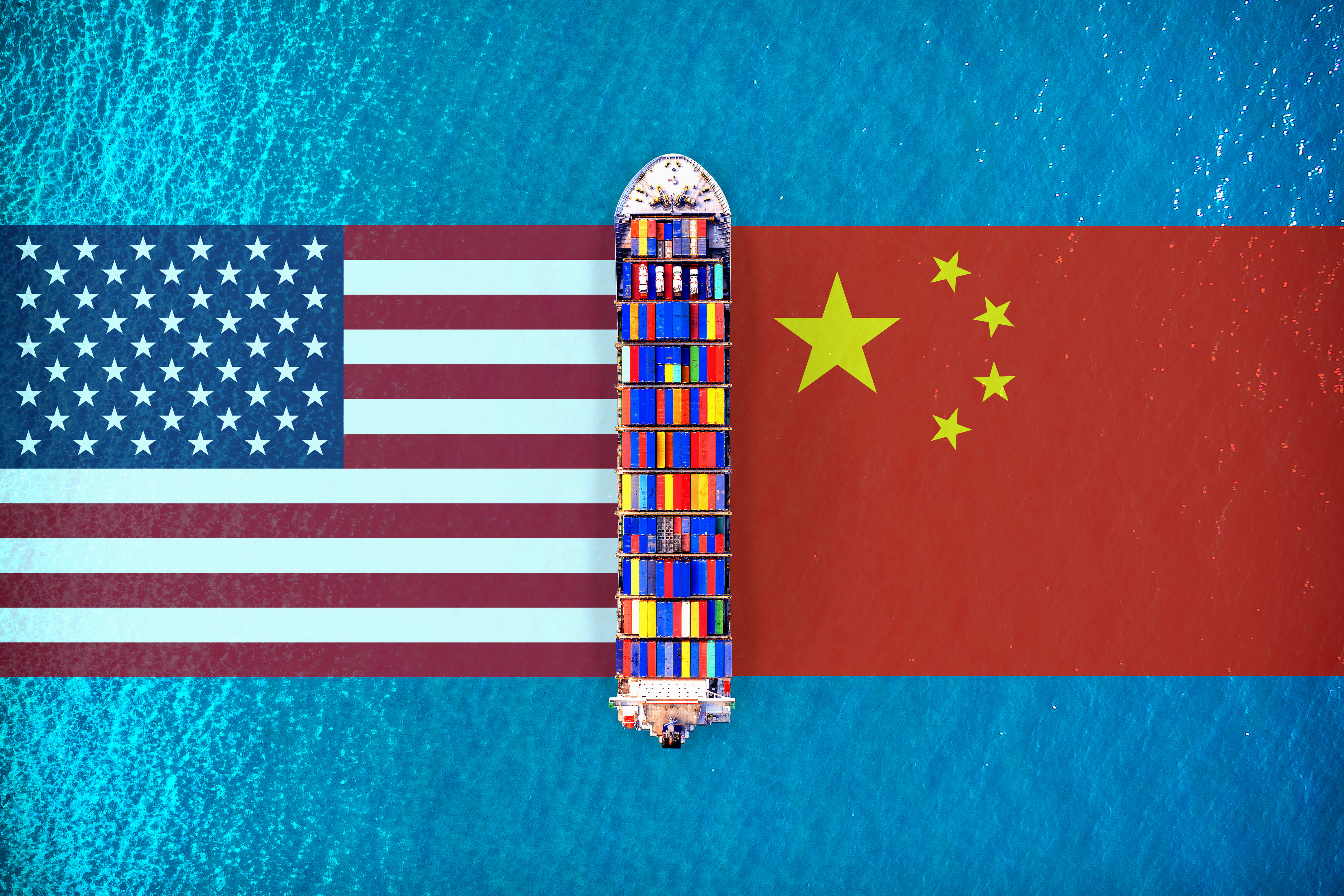
Control of cargo routes means control of trade. It decides which ports stay busy, how fast goods arrive, and what it costs to move them. In 2025, this control is shifting faster than many expected.
While tariffs dominate the news, a bigger change is happening at sea. China’s Silk Road Maritime Transport Project has built a network of 128 active shipping routes connecting Asia, Africa, Europe, and the Middle East. Since launch, these lanes have handled 23.92 million TEUs of cargo. The Port of Xiamen runs 61 of these routes and offers integrated customs clearance, bonded zones, and digital tracking.
For forwarders, these routes are more than a political talking point. They are a way to protect schedules, stabilize costs, and reach markets that stay open when others close.
ASEAN Builds New Trade Paths
Southeast Asian countries are responding quickly to the new U.S. tariffs. They are building stronger trade links inside the region and with partners outside it. The goal is to keep exports moving and reduce dependence on any one market.
- Tariffs within ASEAN have been lowered and trade agreements upgraded
- Partnerships with China, Japan, South Korea, the EU, and Gulf states are expanding
- New deals with Australia and the UK connect to major shipping lanes
These changes give Southeast Asia more control over its trade flow. Forwarders who can plug into these networks will have more options when traditional routes face disruption.
Tariff Crackdown and the August 12 Deadline
The U.S. and China are still negotiating a tariff truce. The current pause ends on August 12. Without an extension, tariffs will jump sharply on both sides.
- U.S. tariffs on Chinese goods could rise to 145 percent
- China could raise tariffs on U.S. goods to 125 percent
- A 40 percent penalty applies to goods routed through third countries to avoid tariffs
Forwarders must keep clear supply chain records and full documentation. Compliance is now a daily task for anyone moving goods between the U.S. and China.
The First Days of New U.S. Tariffs
The latest round of U.S. tariffs took effect on August 7, 2025. Operations at ports and borders stayed steady on the first day, but the long-term impact is still to come.
- Tariffs now range from 10 percent to over 40 percent depending on product and origin
- Shipments already in transit before August 7 are exempt if they arrive by October 5
- Transshipment violations face strict enforcement with high penalties
The rollout was smooth, but forwarders expect changes in freight rates, shifting volumes, and more compliance work in the months ahead.
The Future of Supply Chain Management
Trade corridors are changing. U.S. tariffs and China’s Belt and Road Initiative are shaping a new supply chain reality. Forwarders and LSPs need to adjust their networks and technology to stay competitive.
- Diversify sourcing and routing to avoid reliance on a single market
- Use regional hubs tied to BRI routes for faster and lower-cost transit
- Adopt digital platforms that connect to port and customs systems across regions
Supply chains that adapt will be more resilient and better positioned to serve customers during unpredictable tariff cycles.
What This Means for U.S. Forwarders
U.S. logistics providers face competition from BRI-linked hubs in Asia, Europe, and Africa. These hubs can offer lower rates and faster customs clearance. Forwarders in the U.S. will need to adjust to keep their market share.
- Build partnerships across regions to give customers more routing options
- Upgrade tracking and integration tools to meet global digital standards
- Monitor tariff changes and route disruptions to protect margins
Success will come from offering reliable service, clear visibility, and customer-focused solutions, not only from price competition.
The New Rules of Cargo Competitiveness
The control of cargo routes is becoming a powerful tool in global trade. China’s 128 maritime routes, tighter U.S. tariffs, and shifting trade alliances are rewriting the logistics map. Forwarders who adapt routing strategies, strengthen partnerships, and upgrade digital capabilities will be in the best position to compete. The months ahead will test the flexibility and resilience of every player in the supply chain.
In an era of shifting trade lanes and rising compliance costs, forwarders that deliver clear, real-time visibility to customers will stand out. Our container tracking platform lets you monitor shipments across carriers, integrate client-facing tracking widgets, and provide the transparency your customers expect. This is how you stay competitive when routes, rates, and regulations keep changing.

References
- MarineInsight: China opens 128 Silk Road Maritime routes
- Hellenic Shipping News: Silk Road Maritime routes expanded
- Dimerco: U.S. tariff update 2025
- Yale Budget Lab: State of U.S. tariffs, Aug 7, 2025
- NBC News: New U.S. tariffs take effect
- Reuters: U.S.–China tariff truce status and timeline
- SCMP: 90‑day truce extension signals
- Holland & Knight: Anti‑circumvention enforcement risks
- Dimerco: Trade shifts and Southeast Asia’s role
- AMRO: ASEAN+3 Regional Economic Outlook 2025
- WEF: Asia’s new trade reality after U.S. tariff shock
Why overpay for visibility? TRADLINX saves you 40% with transparent per–Master B/L pricing. Get 99% accuracy, 12 updates daily, and 80% ETA accuracy improvements, trusted by 83,000+ logistics teams and global leaders like Samsung and LG Chem.


Prefer email? Contact us directly at min.so@tradlinx.com (Americas) or henry.jo@tradlinx.com (EMEA/Asia)



Leave a Reply