
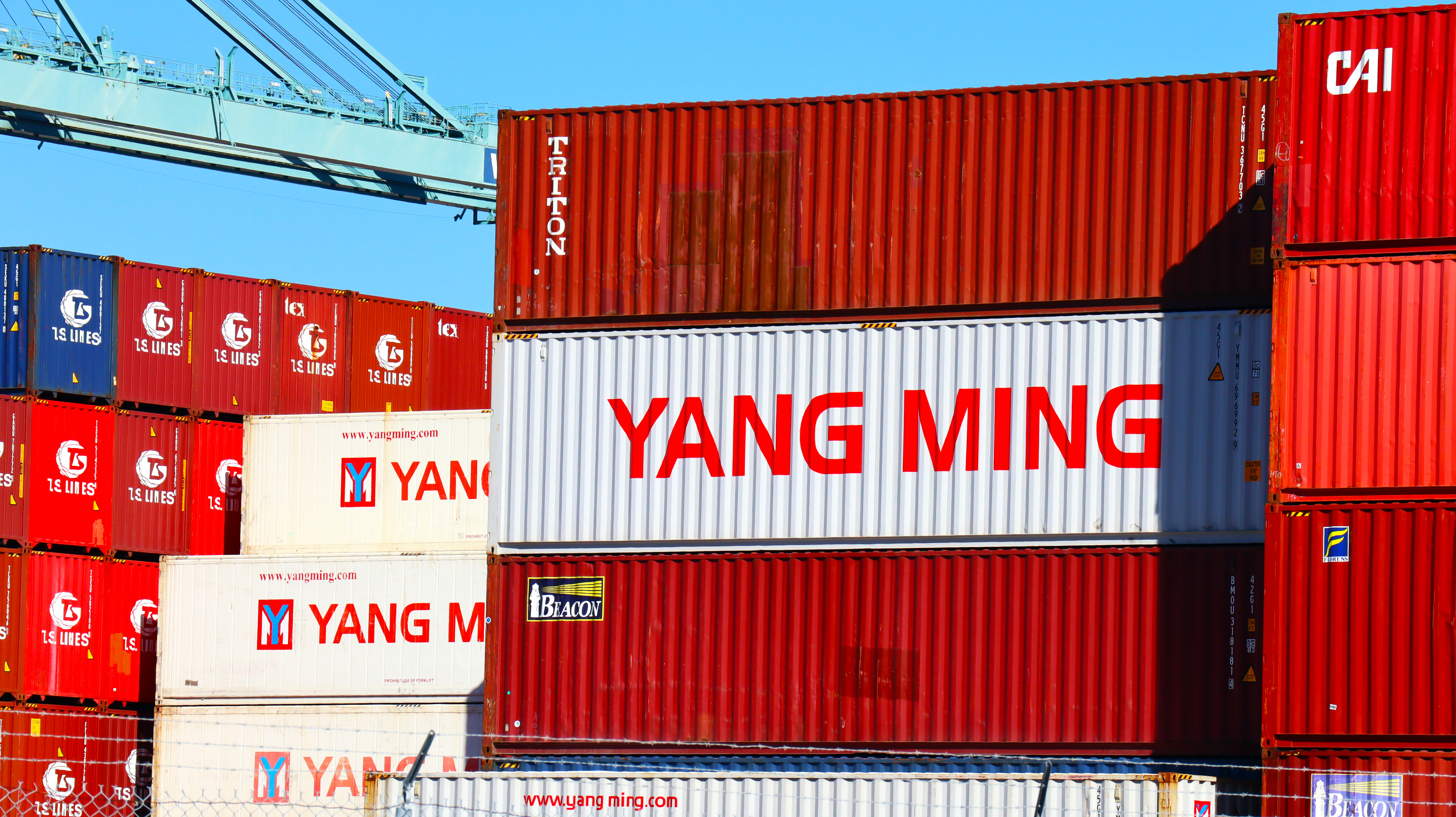
Delayed updates. Limited tracking visibility. No alerts during transshipments. If you’re managing shipments with Yang Ming in 2025, you may have encountered these challenges, impacting your logistics planning and customer communications.
As of March 2025, Yang Ming’s on-time arrival performance stands at 58.1%, with an average delay of 7.27 days. For logistics teams handling multiple shipments, these uncertainties can accumulate, leading to operational inefficiencies.
This guide explores the reasons behind Yang Ming tracking delays, their operational impact, and practical steps to enhance visibility and responsiveness in your supply chain operations.
Why Yang Ming Tracking Delays Happen
Tracking issues often arise from systemic factors within carrier platforms. Common challenges with Yang Ming’s tracking system include:
- Infrequent data updates: Tracking information may not be refreshed in real-time, leading to outdated status reports.
- Transshipment visibility gaps: Status updates can be delayed or missing when containers are transferred between vessels or ports.
- Limited tracking options: Relying solely on container numbers may not provide comprehensive shipment insights; utilizing Master B/L numbers can offer more detailed information.
- Integration delays: Even with API integrations, there can be lags in data synchronization, affecting the timeliness of tracking information.
These challenges can hinder proactive exception management, increase manual workload, and diminish confidence in the accuracy of estimated arrival times shared with stakeholders.
Immediate Workarounds for Yang Ming Tracking Delays
- Utilize Master B/L numbers for tracking: This approach often provides more comprehensive updates compared to tracking by individual container numbers.
- Enable notifications through Yang Ming’s portal: Where available, set up email or dashboard alerts to receive status updates without manual checks.
- Cross-reference with independent tracking tools: Use real-time AIS platforms like TRADLINX or other visibility solutions to monitor vessel movements and verify shipment status.
While these strategies can mitigate some tracking issues, they may not be sufficient for teams managing numerous shipments across various trade lanes or fulfilling stringent service-level agreements.
Why Real-Time Visibility Matters (By the Numbers)
- 69% of logistics teams cite delayed tracking as their top operational bottleneck. (Freightos, 2024)
- 5+ hours per week are spent manually checking and consolidating shipment status data. (Gartner SCM Pulse, 2023)
- Real-time tracking enables 3.5x faster issue resolution and leads to a 32% drop in customer complaints. (project44, 2024)
- 12–18% logistics cost reduction is reported by teams using predictive tracking and workflow automation. (McKinsey Digital, 2023)
Real-time visibility isn’t just a convenience—it’s a critical capability for forwarders, 3PLs, and shippers managing modern supply chains at scale.
When Built-In Tracking Isn’t Enough
Yang Ming’s native tracking tools may suffice for small-scale updates—but operational teams managing 20, 50, or 100+ shipments need more responsive systems. Here’s how logistics platforms with real-time capabilities fill the gap.
| Tracking Issue | Operational Impact | How It’s Solved |
|---|---|---|
| Delayed updates from Yang Ming | Blind spots around transshipments and ETA changes | Combine carrier and AIS data for near real-time visibility |
| Lack of proactive alerts | Manual checks miss key events like rollovers or early arrivals | Automated alerts via Slack, email, or webhook |
| Multiple tracking portals | Operational inefficiency from juggling carrier platforms | Centralized dashboard for B/L, container, and vessel views |
| High-touch client communication | Time lost updating stakeholders manually | Live shareable status pages with your own branding |
| No performance tracking | Hard to analyze delay trends or carrier reliability | Access to shipment analytics by port, carrier, and lane |
Advanced visibility platforms enable proactive planning and faster decisions—especially during periods of global disruption or port congestion.
How High-Volume Teams Are Solving These Issues
For logistics professionals overseeing multiple lanes and customers, manual tracking simply doesn’t scale. Many now turn to platforms like TRADLINX Ocean Visibility to centralize control, reduce tracking delays, and improve coordination across teams and clients.
- Unified tracking interface: Container, B/L, vessel—all in one dashboard
- Predictive ETAs with congestion awareness: AI-powered models for smarter planning
- Automated alerts & reporting: Reduce repetitive status checks
- Designed for scale: Handle 50+ active shipments without switching tabs
These tools streamline operations, enhance service reliability, and free up teams to focus on solving problems—not just finding them.
Summary: What to Do When Yang Ming Tracking Falls Short
If you’re regularly facing tracking delays or blind spots with Yang Ming’s standard tools, here’s a practical summary of where the gaps come from—and how to fill them:
| Issue | What’s Causing It | What You Can Do |
|---|---|---|
| Tracking updates are delayed | Carrier updates only 2–3 times per day | Use a platform with AIS + carrier data to fill gaps |
| Hard to track multiple shipments | Container-only views lack shipment-level context | Use Master B/L tracking + multi-shipment dashboards |
| Clients want frequent updates | No live sharing or alert functionality | Send branded, real-time links from a unified system |
| No analytics or route insights | Native tools don’t offer performance history | Access historical tracking + delay pattern analysis |
Modern logistics operations need more than static updates—they need proactive, integrated tools to handle dynamic supply chains.
Why overpay for visibility? TRADLINX saves you 40% with transparent per–Master B/L pricing. Get 99% accuracy, 12 updates daily, and 80% ETA accuracy improvements, trusted by 83,000+ logistics teams and global leaders like Samsung and LG Chem.


Prefer email? Contact us directly at min.so@tradlinx.com (Americas) or henry.jo@tradlinx.com (EMEA/Asia)



Leave a Reply