
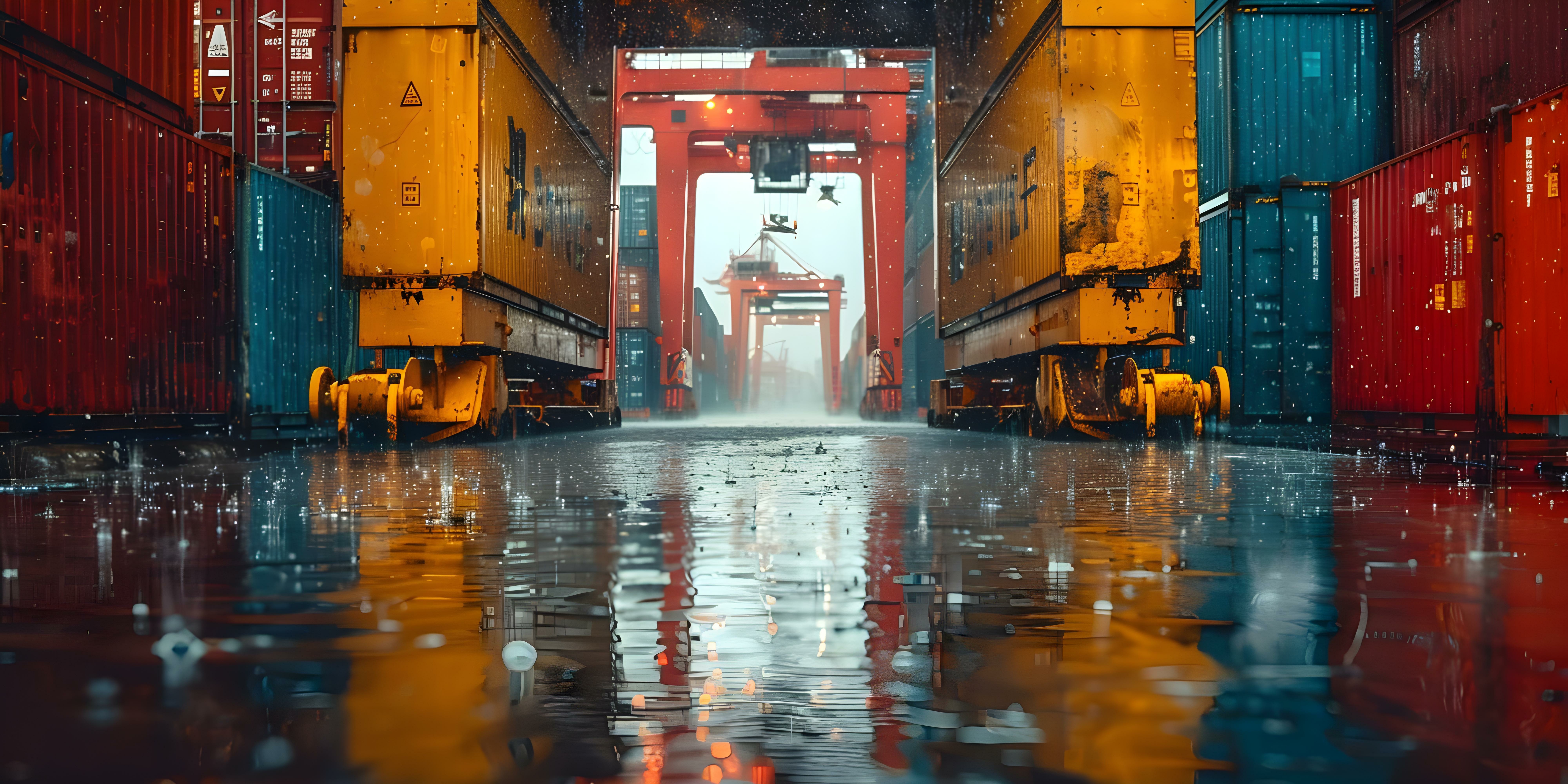
In the ever-evolving world of logistics, climate challenges have become an undeniable reality. Natural disasters like hurricanes, floods, and wildfires not only wreak havoc on communities but also pose significant threats to global supply chains. In 2022 alone, natural disasters caused global economic losses of $313 billion, with Hurricane Ian accounting for a staggering $100 billion of that total. For forwarders and SMB logistics players, adapting to these climate challenges is crucial to maintaining operations and minimizing disruptions1.
Understanding the Impact of Natural Disasters on Logistics
1. Increasing Frequency and Severity of Natural Disasters
- Challenge: Recent years have seen more frequent and severe hurricanes, floods, and wildfires disrupting supply chains globally. For example, Hurricane Ida in 2021 caused significant disruptions to Gulf Coast ports and logistics operations 2.
- Impact: These disruptions illustrate the rising trend of severe weather events affecting logistics on a global scale.

2. Sea Level Rise
- Challenge: Long-term projections indicate rising sea levels, which could impact coastal logistics infrastructure. By 2050, sea levels are expected to rise by 0.3 to 0.6 meters. While the full impact is yet to be seen, some coastal ports are already investing in infrastructure upgrades to combat rising sea levels. The Port of Miami, for instance, has been raising its cargo storage areas 3.
- Impact: The United Nations Development Programme estimates that Caribbean Community members could lose nearly 600 km of roads and 25% of airports within a decade due to climate change, underscoring the need for logistics companies to assess and reinforce critical infrastructure 4.
3. Hurricane Intensity
- Challenge: Climate models suggest that while the frequency of hurricanes may not increase significantly, their intensity is likely to grow. Stronger hurricanes have been causing more severe and prolonged disruptions to maritime shipping. Hurricane Maria in 2017 severely impacted Puerto Rico’s logistics infrastructure 5.
- Impact: Increased intensity of hurricanes means longer recovery times and more significant disruptions in affected areas.
4. Drought and Water Scarcity
- Challenge: Prolonged droughts are expected to become more common, potentially affecting inland waterway transportation. Low water levels in rivers like the Rhine in Europe have occasionally disrupted inland waterway transportation in recent years 6.
- Impact: Drought conditions can severely limit the availability of navigable waterways, impacting transportation efficiency and causing delays.

5. Extreme Heat Events
- Challenge: More frequent and intense heatwaves could impact road and rail transportation, causing infrastructure damage and operational delays.
- Impact: Heatwaves can lead to the buckling of railway tracks and deterioration of road surfaces, necessitating costly repairs and causing delays.
6. Arctic Shipping Routes
- Challenge: As Arctic ice continues to melt, new shipping routes may open up, potentially reducing transit times but also introducing new environmental and logistical challenges. The Northern Sea Route along Russia’s Arctic coast has seen increased traffic in recent years as ice melts, though it remains challenging 7.
- Impact: The opening of new shipping routes presents both opportunities and risks, requiring careful navigation and environmental consideration.
7. Wildfire Risk
- Challenge: Increased wildfire activity, particularly in regions like the Western United States and Australia, could disrupt land-based logistics operations and air freight.
- Impact: Wildfires can lead to road closures and air quality issues, affecting transportation and logistics operations.

8. Flooding
- Challenge: More intense rainfall events are predicted, increasing the risk of flooding in many regions. This could impact warehousing, road transportation, and rail networks.
- Impact: Flooding can cause significant damage to infrastructure and disrupt transportation networks, leading to delays and increased costs.
Actionable Insights for Forwarders and SMB Logistics Players
1. Risk Assessment and Mapping
- Solution: Conduct a thorough risk assessment of your supply chain, identifying vulnerable areas prone to natural disasters. Utilize digital tools and data analytics to create risk maps and prioritize mitigation efforts. Companies should conduct comprehensive climate risk assessments to identify vulnerabilities in their supply chains, particularly for assets located in flood-prone or hurricane-susceptible areas 8.
- Benefits: Better preparedness, targeted mitigation strategies, and reduced risk of unexpected disruptions.
2. Diversification of Routes and Modes
- Solution: Develop alternative transportation routes and modes to reduce dependency on single channels. This could include partnerships with local carriers or exploring multimodal options. To increase resilience, logistics companies should diversify their supply chains geographically, reducing dependence on single regions that may be affected by natural disasters 9.
- Benefits: Increased flexibility, reduced risk of complete route shutdowns, and enhanced resilience.
3. Invest in Resilient Infrastructure
- Solution: For SMBs with physical assets, consider climate-proofing measures such as elevated storage areas, reinforced structures, or relocating critical equipment to less vulnerable locations. Transitioning to renewable energy sources can help mitigate long-term climate risks while also providing more reliable power during natural disasters. This could include installing solar panels or wind turbines at logistics facilities.
- Benefits: Reduced risk of asset damage, continuity of operations, and long-term cost savings.

4. Enhance Visibility and Communication
- Solution: Implement real-time tracking systems and establish clear communication protocols with partners, customers, and employees. Enhancing supply chain visibility through advanced tracking systems and data analytics can help companies quickly identify and respond to disruptions caused by natural disasters.
- Benefits: Enhanced coordination, faster response times, and improved stakeholder trust.
5. Develop a Business Continuity Plan
- Solution: Create a comprehensive disaster response plan tailored to your specific operations. Include scenarios for different types of natural disasters and regularly update and test the plan.
- Benefits: Increased readiness, reduced downtime, and faster recovery from disruptions.
6. Leverage Technology
- Solution: Utilize weather forecasting and predictive analytics tools to anticipate potential disruptions and plan accordingly. Consider investing in cloud-based systems to ensure data accessibility during disasters. Leverage advanced technologies such as AI and machine learning to improve weather forecasting and predictive modeling for natural disasters, allowing for more proactive responses.
- Benefits: Proactive planning, improved decision-making, and continuous access to critical data.
7. Focus on Last-Mile Resilience
- Solution: For forwarders involved in last-mile delivery, develop strategies for maintaining service during disasters, such as using alternative vehicles or partnering with local delivery networks.
- Benefits: Continued service delivery, customer satisfaction, and competitive advantage.
8. Train Employees
- Solution: Provide regular training on disaster preparedness and response. Ensure staff are familiar with emergency procedures and can adapt to rapidly changing situations.
- Benefits: Increased staff readiness, improved safety, and smoother operational transitions.
9. Insurance and Financial Preparedness
- Solution: Review and update insurance policies to ensure adequate coverage for potential disaster-related losses. Maintain emergency funds to manage short-term disruptions.
- Benefits: Financial security, reduced recovery time, and peace of mind.
Conclusion
Adapting to climate challenges in logistics is not just about reacting to disasters but proactively preparing for them. By implementing these strategies, forwarders and SMB logistics players can build resilient supply chains capable of withstanding the increasing frequency and intensity of natural disasters. Embracing these measures will not only safeguard operations but also contribute to long-term sustainability and success.

Stay Ahead of Disruptions with TRADLINX Ocean Visibility
Make the complex world of logistics simple and understandable with TRADLINX Ocean Visibility. Start your free trial today to experience advanced tools for real-time tracking, predictive analytics, and comprehensive supply chain management, helping you navigate disruptions and optimize your logistics processes.
References:
- Global Economic Losses Due to Natural Disasters Continue to Rise, Study Shows
- Hurricane Ida Causes Significant Disruptions to Gulf Coast Ports
- IPCC Special Report on Sea Level Rise Projections
- UNDP Report on Climate Change Impact on Caribbean Infrastructure
- Hurricane Maria Severely Affects Puerto Rico’s Logistics Infrastructure
- Rhine River Low Water Levels Disrupt Inland Waterway Transportation
- Increased Traffic on Northern Sea Route as Arctic Ice Melts
- Most Supply Chains Not Ready for Climate Change, Report Finds
- How to Build a More Resilient Supply Chain

Leave a Reply