
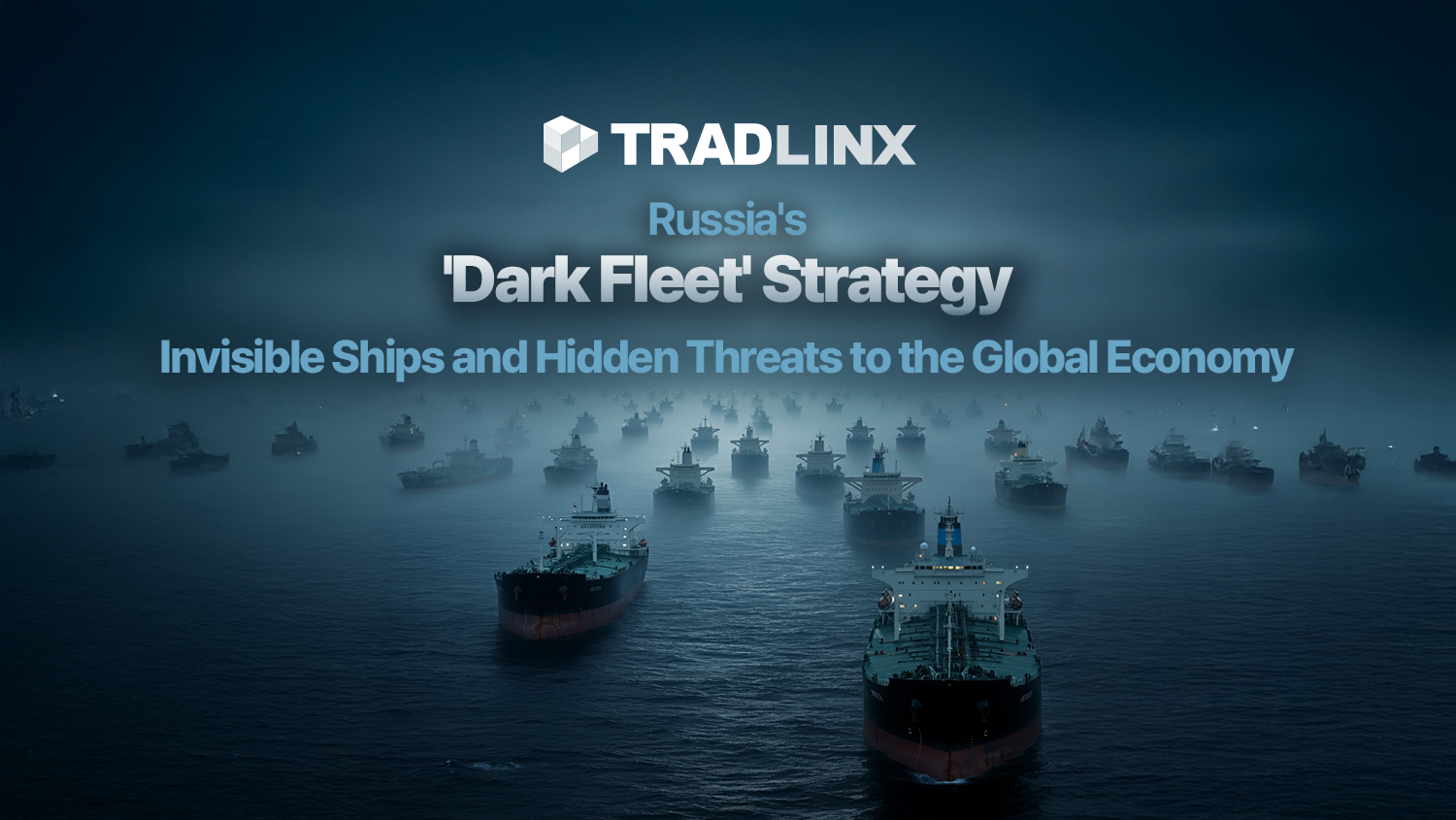
In the world of logistics, transparency is key. Yet, behind the scenes, a secretive network of aging ships—the “Dark Fleet”—is quietly reshaping global trade routes, inflating logistics costs, and complicating the way businesses like yours operate. As sanctions tighten on Russia, this covert fleet has become a lifeline for Russian oil exports, leaving logistics service providers (LSPs) grappling with rising costs and diminished supply chain transparency.
If you’ve noticed unexpected cost increases or unexplained delays in your shipments, the “Dark Fleet” might be the hidden reason why.
What is the “Dark Fleet,” and Why Should LSPs Care?
The “Dark Fleet” consists of older tankers that specialize in sanction-evading trades. These vessels turn off tracking systems, change names, and jump between different flags to stay below the radar, moving oil from sanctioned nations—most notably Russia—without drawing attention.
But this shadowy operation has real-world consequences:
• Soaring Transportation Costs: By redirecting oil shipments from Russia to far-off markets in Asia, transport distances have doubled, leading to higher fuel costs, increased insurance premiums, and skyrocketing charter rates.
• Insurance Nightmares: With many of these vessels operating in gray areas, securing affordable, reliable insurance has become a challenge for legitimate operators, pushing up premiums across the sector.
• Operational Inefficiency: As these vessels manipulate tracking systems, it’s harder for businesses to predict when or where their shipments will arrive, causing delays and operational confusion.
For LSPs, this lack of transparency and predictability in global supply chains is becoming a major headache. And while legitimate LSPs typically won’t knowingly engage with these vessels, they could become unintentionally involved, leading to serious risks.
Could You Be Involved Without Knowing It?
It’s unlikely that a reputable LSP would knowingly engage with the “Dark Fleet.” However, in today’s complex global supply chains, there are scenarios where even legitimate operators might become unknowingly connected to these illicit vessels. Here’s how:
1. Subcontracting Risks: If you’re subcontracting parts of your supply chain to third parties, they could be using “Dark Fleet” vessels without your knowledge, passing the risk onto your operation.
2. Lack of Full Visibility: In complex supply chains with multiple intermediaries, it’s possible that a shipment is transferred to a “Dark Fleet” vessel without you realizing it.
3. Flag Hopping & Falsified Documents: These vessels frequently change flags and falsify documentation, making it difficult to detect their true nature.

Why This Matters to Your Operations
The consequences of unintentional involvement with “Dark Fleet” vessels are serious:
• Legal and Compliance Risks: Even unknowingly using a sanctioned vessel can expose your business to significant legal penalties and compliance violations.
• Insurance Challenges: Many insurers are hesitant to cover vessels connected to sanctions evasion, which could leave your shipments unprotected.
• Reputation Damage: If your clients discover that your supply chain is tied to illicit trade networks, it could hurt your credibility and future business opportunities.

What LSPs Can Do to Stay Resilient
Staying ahead of these disruptions and risks requires proactive strategies. Here’s what LSPs can do to safeguard their operations in an increasingly opaque and volatile logistics landscape:
1. Boost Real-Time Visibility
The “Dark Fleet” is making it harder to track shipments accurately, but that makes real-time visibility even more critical. Investing in real-time tracking tools can help LSPs monitor shipments in transit, identify bottlenecks early, and reroute shipments when necessary. For instance, TRADLINX’s Ocean Visibility platform uses predictive analytics to flag potential disruptions and suspicious vessel activity, helping you avoid unintended connections with the “Dark Fleet.”
2. Strengthen Due Diligence
Conduct enhanced due diligence on subcontractors and partners, ensuring they have transparent operations. This includes vetting subcontractors for connections to flagged vessels or shell companies associated with sanctions evasion.
3. Diversify Your Shipping Routes
One of the key lessons from the rise of the “Dark Fleet” is the importance of not relying on a single route or port. LSPs should develop alternative routes and shipping strategies, including multi-modal options, to avoid over-reliance on any one channel. This ensures flexibility when disruptions arise.
4. Leverage Predictive Data Tools
Predictive tools using machine learning can help LSPs anticipate potential disruptions—whether due to port closures, geopolitical tensions, or infrastructure risks. With early warnings, you can shift resources, adjust schedules, and communicate changes to your clients in real time, maintaining trust and efficiency.
5. Maintain Open Communication
Transparency with clients about potential risks and how you’re mitigating them is crucial. Share real-time tracking updates and openly discuss how you’re navigating the challenges posed by the “Dark Fleet” and other disruptions. Clear, proactive communication builds client trust and demonstrates that you’re prepared for any scenario.

The Long-Term Solution: Data-Driven Flexibility
The logistics landscape is changing rapidly, and the rise of the “Dark Fleet” is just one example of how global supply chains are becoming more complex and opaque. But LSPs that invest in real-time tracking, flexible routing, and predictive data tools will be better positioned to handle these challenges—and thrive.
While it’s impossible to predict every disruption, having the right systems in place can help your business stay one step ahead. Tools like TRADLINX’s Ocean Visibility offer LSPs the actionable insights needed to navigate this increasingly complex landscape—keeping your operations running smoothly, even when the waters get choppy.

Leave a Reply