
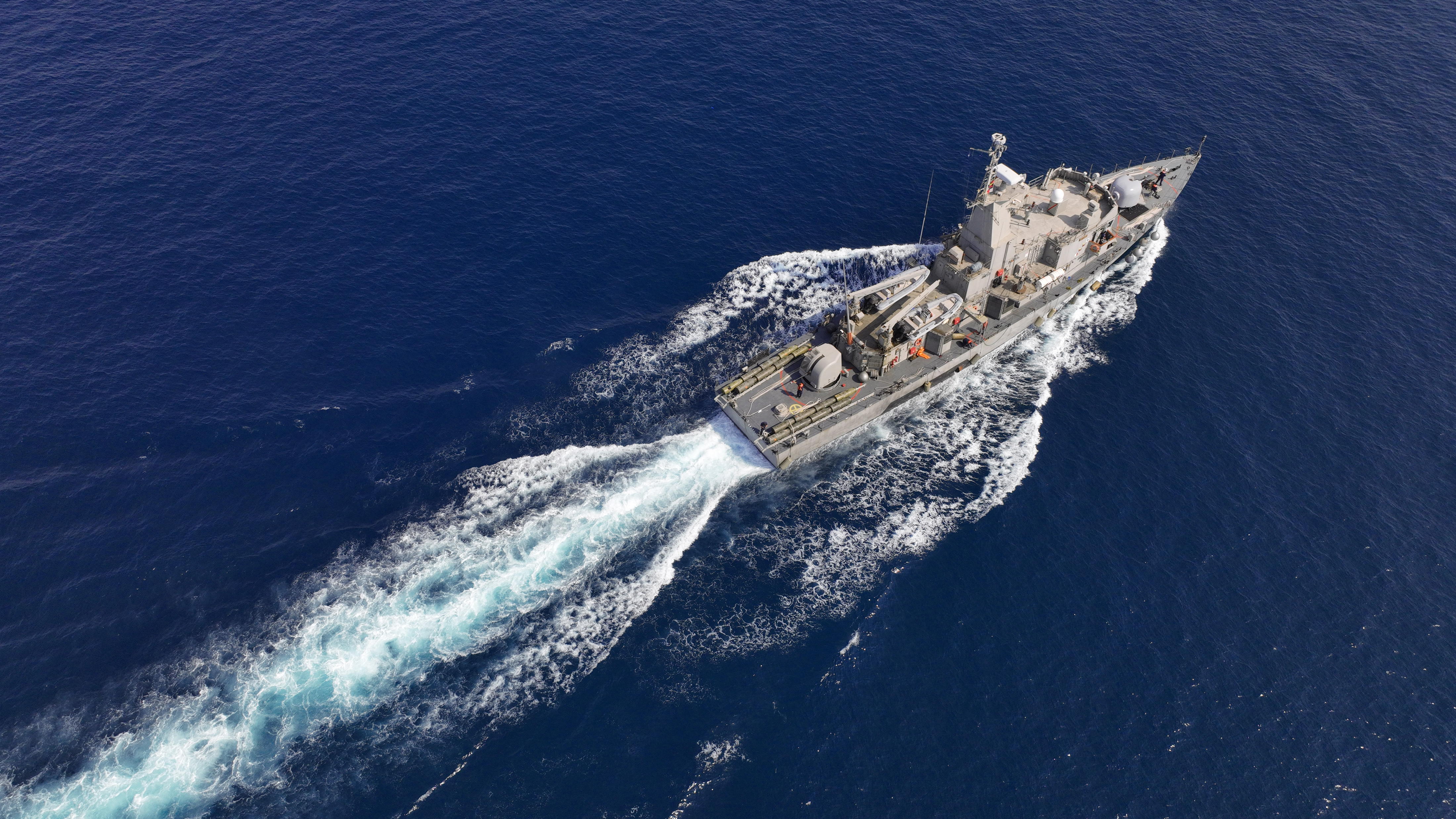
Navigating the high seas has always been fraught with challenges, but the resurgence of piracy and drone attacks in the Red Sea has introduced a new layer of complexity and economic implications for global trade. These attacks, primarily orchestrated by Houthi fighters in Yemen, are disrupting crucial trade routes and significantly impacting various industries worldwide. This post delves into the economic impact of these threats and underscores the need for heightened maritime security and strategic adjustments.
Disruption to Global Trade Routes
The Red Sea is a vital maritime passageway, handling approximately 12% of global trade . The ongoing attacks have forced shipping companies to divert their vessels to safer routes, causing significant disruptions to this critical trade corridor. The diversion around Africa’s Cape of Good Hope, instead of using the Suez Canal, is one such adjustment that has far-reaching economic consequences.

Increased Shipping Costs
Rerouting ships around the Cape of Good Hope leads to higher shipping costs. Carriers now incur an additional $1 million per vessel for each round trip, primarily due to the increased fuel expenses for the longer journey . These costs inevitably trickle down the supply chain, affecting the price of goods and commodities.
Extended Transit Times
The alternative route around the Cape of Good Hope adds approximately 10 days and 4,000 miles to the journey . This extended transit time disrupts supply chains and delivery schedules globally, causing delays and affecting the efficiency of trade operations.
Rising Insurance Premiums
Insurance costs for commercial vessels navigating through the Red Sea have skyrocketed. Premiums have increased from 0.1% to between 0.7% and 1% of a ship’s insured value due to the heightened risk of attacks . This rise in insurance premiums adds another layer of cost to maritime operations, further straining the logistics budget of shipping companies.
Impact on Specific Industries
Various sectors, including consumer and retail, agribusiness, autos, oil and gas, and logistics, have been severely affected by these disruptions . The increased costs and delays in shipping exacerbate inflationary pressures globally, potentially pushing up prices for consumers, especially in Europe and Asia .
Effects on Oil and Gas Markets
Energy markets have already felt the impact, with oil prices increasing by 6% over a one-week period . BP’s decision to reroute tankers is a testament to the severity of the situation, highlighting the potential consequences for energy supplies and market stability.
Regional Economic Impact
Countries heavily reliant on maritime trade through the Red Sea, such as Greece, Jordan, Sri Lanka, and Bulgaria, are among the most affected economies . The decline in Suez Canal revenue, estimated at a 40% year-on-year drop during January and February 2024, further underscores the regional economic strain .

Formation of Multinational Security Operations
In response to the attacks, the U.S. has established Operation Prosperity Guardian, a multinational security initiative aimed at protecting shipping in the area . This highlights the critical need for coordinated international efforts to safeguard maritime trade routes.
Long-term Economic Uncertainty
Major ocean carriers have warned that this crisis could persist well into the latter half of 2024, creating ongoing economic uncertainty . The situation underscores the vulnerability of global supply chains to geopolitical tensions and highlights the necessity for diversification and resilience in international trade routes.
Conclusion
The resurgence of piracy and drone attacks in the Red Sea presents a complex challenge with significant economic implications for global trade. From increased shipping costs and extended transit times to rising insurance premiums and regional economic impacts, the effects are widespread and profound. Ensuring the safety and efficiency of maritime operations in such a volatile environment requires innovative strategies, international cooperation, and robust security measures.
Stay Ahead of Maritime Threats with TRADLINX Ocean Visibility

Secure your maritime operations with TRADLINX Ocean Visibility. Experience advanced tools for real-time tracking and predictive analytics. Start your free trial today and ensure your logistics processes are resilient against disruptions.
References:
- How Attacks on Shipping in the Red Sea Could Affect the US Economy
- Countering the Growing Threat of Drone Attacks on Energy Infrastructure
- Red Sea Attacks: Impacts on African Trade and Macroeconomic Stability
- What the Red Sea Attacks Cost for Global Trade
- 65 Countries Affected by Houthi Attacks in Red Sea, Including Iran




Leave a Reply