
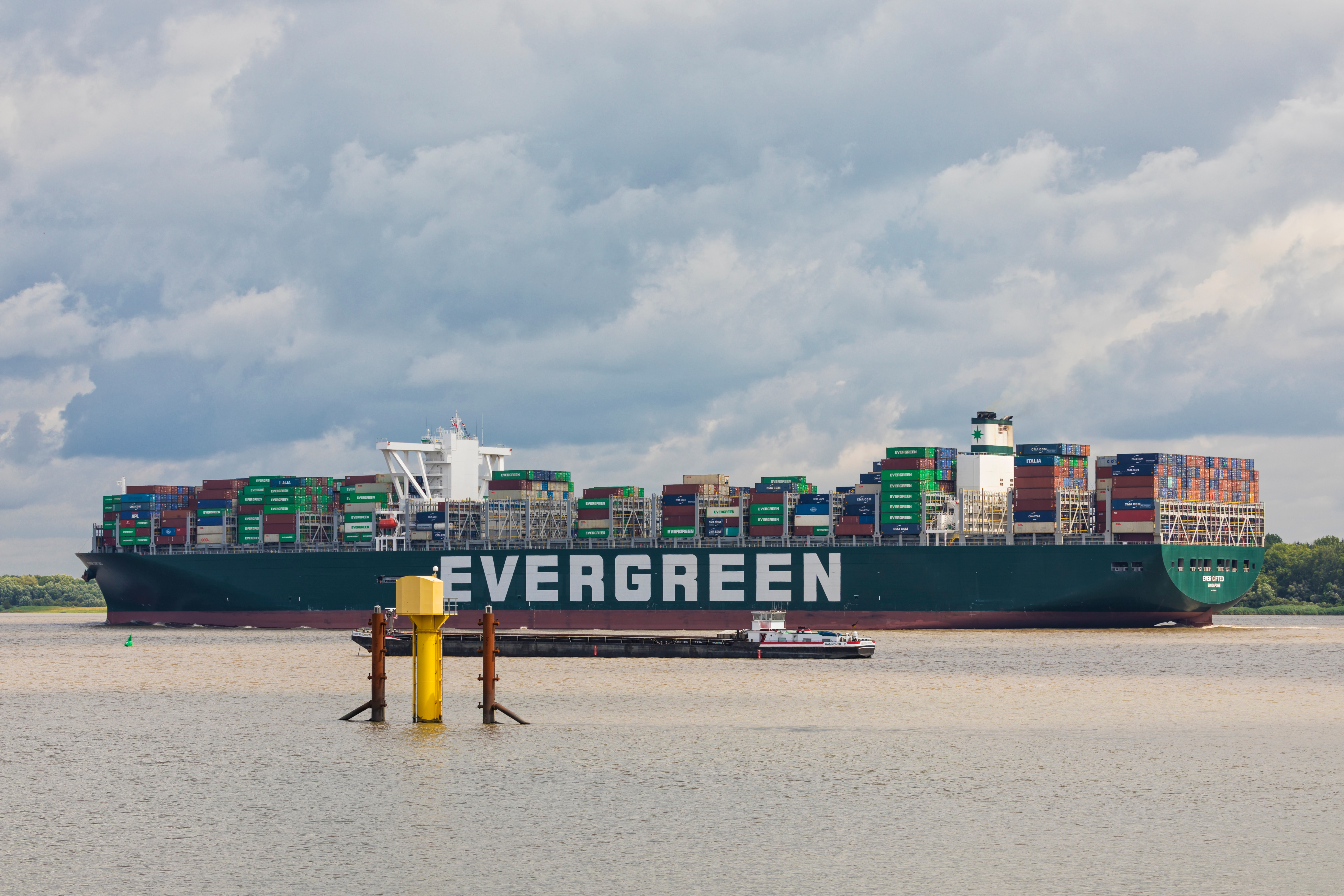
Stuck waiting on updates? Can’t see your Evergreen container’s latest status? In 2025, many shippers and forwarders using Evergreen’s built-in tracking tools are running into lags, missing transshipment info, and blind spots—especially when managing multiple B/Ls.
Global schedule reliability is still recovering, averaging 51.5% in early 2025, while late vessel arrivals face an average delay of 5.3 days. Visibility challenges are no longer the exception—they’re the standard. That’s why proactive tracking is becoming a must-have for operational efficiency.
This post dives into the real reasons behind Evergreen tracking issues and gives you actionable steps to improve reliability, automate updates, and stay in control—regardless of how many shipments you’re managing.
Why Evergreen Tracking Delays Happen
Tracking issues with Evergreen aren’t just occasional bugs—they stem from how carrier data systems are structured. These are the most common causes:
- Low tracking frequency: Evergreen’s updates typically refresh just 2–3 times a day, leaving long gaps in real-time visibility.
- Transshipment silence: When containers move to new vessels or stop at intermediate ports, update pauses are common.
- Limited search logic: Tracking only by container often misses key event data—Master B/L tracking reveals more.
- Data latency via API: Even connected systems can suffer 6–12 hour data sync delays from Evergreen’s backend.
These gaps create compounding risk when you’re managing 10, 50, or 100+ shipments across trade lanes and deadlines.
Immediate Workarounds for Evergreen Tracking Delays
- Track with Master B/L instead of container: Unlocks a broader, shipment-level event view across modes.
- Enable Evergreen’s status alerts: Email notifications (while limited) help avoid constant portal refreshes.
- Cross-reference with AIS vessel data: Check current vessel progress with tools like TRADLINX or your internal visibility platform.
These steps offer some quick wins—but they don’t scale when your team is handling high shipment volumes or managing customer-facing SLAs.
Why Real-Time Visibility Matters (By the Numbers)
- 69% of logistics teams say delayed updates are the #1 cause of operational friction. (Freightos, 2024)
- 5.2 hours/week per team member are spent chasing shipment statuses. (Gartner SCM Pulse, 2023)
- 32% fewer customer complaints and 3.5x faster exception handling with real-time tracking. (project44, 2024)
- 12–18% lower logistics costs with proactive visibility platforms. (McKinsey, 2023)
Modern logistics teams need more than just updates—they need speed, foresight, and automation to stay ahead of delays and disruptions.
When Built-In Tracking Isn’t Enough
Evergreen’s portal is useful for basic lookups—but for high-volume operations, it often creates more work than clarity. Here’s how visibility platforms help fill the gap.
| Tracking Issue | Operational Impact | How It’s Solved |
|---|---|---|
| Infrequent status updates | Blind spots between events, harder to predict issues | Combine AIS + carrier data for near real-time visibility |
| No built-in alerts | Missed rollovers, early arrivals, or last-minute changes | Email, Slack, or webhook alerts at key milestones |
| Fragmented tools | Switching between container, B/L, and vessel portals | One dashboard for all shipment identifiers and modes |
| Manual client updates | Time lost on emails, screenshots, and Excel exports | Branded live links and customer-facing status pages |
| No visibility history | Hard to analyze repeat delays or route issues | Analytics by port, carrier, or lane with historical logs |
This kind of scalable, centralized tracking improves both internal workflows and external communication with partners and customers.
How High-Volume Teams Are Solving These Issues
Teams moving dozens of Evergreen shipments every month are increasingly turning to platforms like TRADLINX Ocean Visibility to close tracking gaps, automate updates, and proactively manage delays. Here’s how:
- Multi-mode shipment visibility: View B/Ls, containers, and vessels together in one place
- Predictive delay alerts: AI-powered ETA forecasts based on congestion and vessel speed
- Auto-sharing features: Send clients real-time status pages without manual exports
- Enterprise-scale tracking: Designed for 10, 50, or even 500+ B/Ls at a time
This shift isn’t just about convenience—it’s how modern teams are reducing disruption, improving response, and delivering better service at scale.
Summary: What to Do When Evergreen Tracking Isn’t Enough
If Evergreen’s updates aren’t keeping up with your logistics demands, here’s a quick breakdown of what to do depending on the situation:
| Problem | Why It Happens | Recommended Fix |
|---|---|---|
| Frequent update gaps | Only 2–3 updates per day from carrier | Connect with real-time visibility platform |
| Clients request constant updates | No shareable tracking or auto-alerts | Enable live shipment links + alerts |
| Too many shipments to manage manually | Evergreen tracks one container at a time | Use multi-shipment dashboards + automation |
| Unpredictable ETAs | No predictive logic for port or vessel delays | Switch to AI-driven ETA tools with alerts |
Reliable tracking is no longer a nice-to-have—it’s essential to stay competitive and responsive in modern global logistics.
Why overpay for visibility? Tradlinx saves you 40% with transparent per–Master B/L pricing. Get 99% accuracy, 12 updates daily, and 80% ETA accuracy improvements, trusted by 83,000+ logistics teams and global leaders like Samsung and LG Chem.


Prefer email? Contact us directly at min.so@tradlinx.com (Americas), sondre.lyndon@tradlinx.com (Europe) or henry.jo@tradlinx.com (EMEA/Asia)




Leave a Reply