

To celebrate 10 years of helping forwarders thrive, we’re unpacking 10 of the biggest shifts in global freight—one list at a time.
From Spreadsheet Chaos to API-Connected Control
In 2015, global forwarding was a game of email chains, PDFs, and crossed fingers. By 2025, real-time dashboards and API-powered updates aren’t just “nice to have”—they’re table stakes.
This kickoff post breaks down the 10 most important ways freight has transformed—so you can ask the real question: Is your business built for the next 10?
1. From Spreadsheets to Real-Time Tracking
Remember when tracking a shipment meant emailing your carrier? Now, APIs and container milestones update your team and your clients automatically.
| Then | Email updates, Excel logs, client follow-ups |
| Now | API-fed tracking, self-serve dashboards, auto-alerts |
Takeaway: If clients still need to ask, “Where’s my container?”—you’ve got a gap.
2. From Globalization to Fragmentation
The trade world got smaller—then split again. Nearshoring, trade blocs, and tariffs changed what “global” means.
| Then | Stable sourcing, China-centric lanes, clear forecasts |
| Now | Regional shifts, tariff volatility, fragmented flows |
Takeaway: Visibility needs to be flexible, not fixed to static trade lanes.
3. From Annual Rates to Daily Margin Chaos
The spot market took over. Pandemic-era surges and 2025 volatility mean old pricing models no longer cut it.
| Then | Annual contracts, stable margins, rate predictability |
| Now | Spot pricing, fast bids, shrinking margins |
Takeaway: The new edge? Procurement speed and live cost tracking.
4. From Carriers to Conglomerates
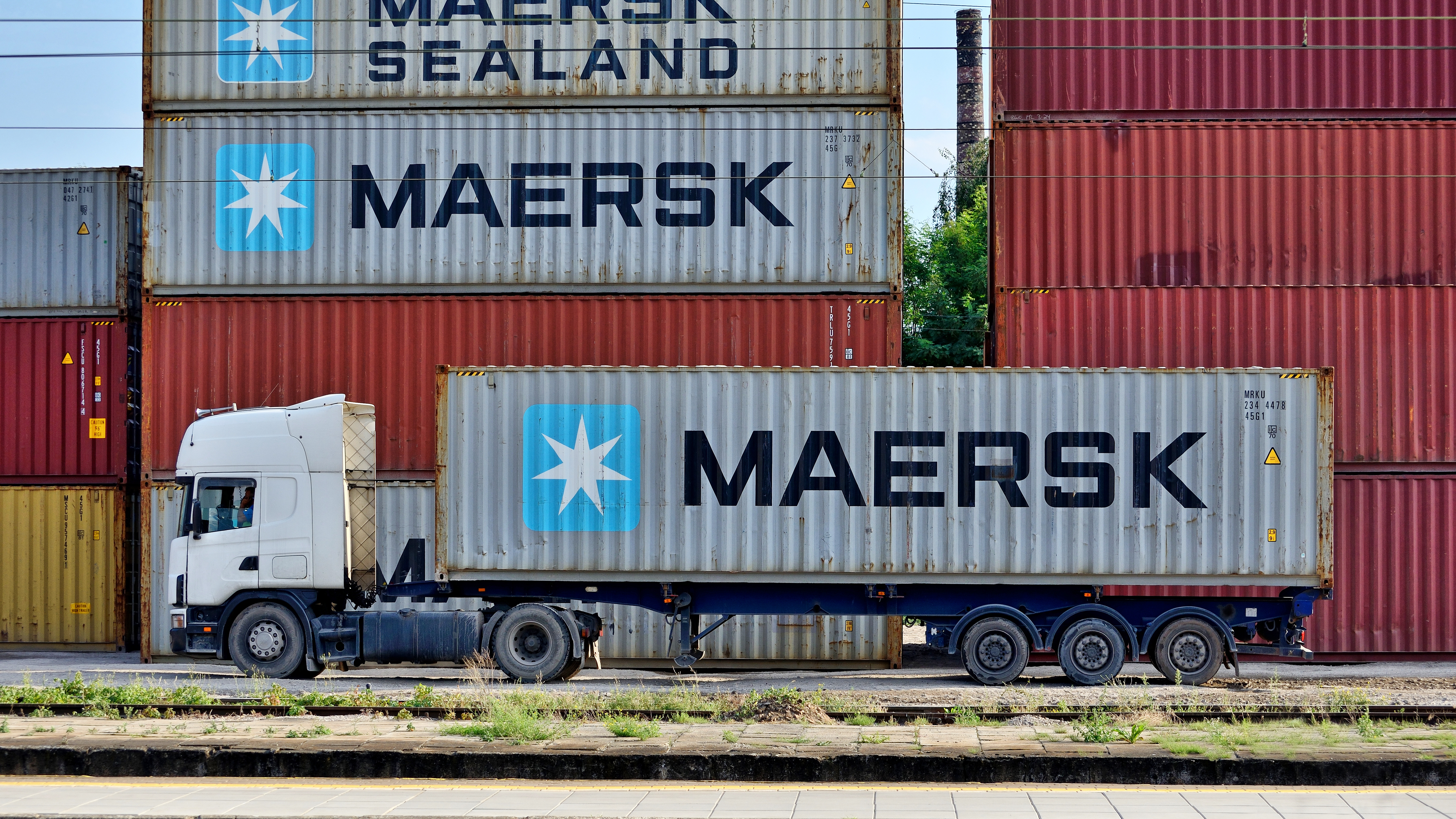
The ocean freight world got top-heavy. A handful of mega-carriers now dominate global trade—and the implications for pricing power, reliability, and negotiation are profound.
| Then | Diverse carrier pool, flexible contracts, niche options |
| Now | Consolidated alliances, tight space, pricing leverage |
Takeaway: Visibility tools can’t just show ETAs—they must offer leverage with real-time data to counterbalance carrier dominance.
5. From “Offline” to Always On
Customers don’t wait for email replies anymore. They expect Amazon-style transparency—even for B2B freight. Self-service is no longer optional; it’s expected.
| Then | Status emails, phone checks, batch updates |
| Now | Live tracking portals, auto-alerts, 24/7 access |
Takeaway: Modern forwarders empower clients with visibility, not just answers.
6. From Exceptions to Expectations
Delays used to be rare enough to explain manually. Now they’re daily reality. Clients want alerts before the problem hits.
| Then | Delayed emails, reactive support, siloed blame |
| Now | Proactive alerts, exception tagging, team coordination |
Takeaway: The best forwarders don’t fix problems—they prevent surprises.
7. From Compliance to ESG Mandates
Environmental, social, and governance (ESG) standards moved from policy decks into procurement checklists. Ocean freight customers—especially in Europe—are demanding cleaner, more transparent supply chains.
| Then | “Sustainability” was a brand message |
| Now | Carbon reporting and green routing required |
Takeaway: Visibility must now include emissions data not just ETAs.
8. From Local Tools to Platform Ecosystems
10 years ago, freight tech was fragmented. Today, API ecosystems and modular SaaS tools are creating connected logistics platforms. The winners are those who integrate, not reinvent.
| Then | Single-use legacy systems, no integration |
| Now | Modular platforms with APIs and plug-ins |
Takeaway: Modern logistics tech isn’t a monolith—it’s an ecosystem. Choose tools that connect, not isolate.
9. From Data Overload to Decision Intelligence
Everyone got data—but few got smarter. The shift is now toward actionable insights: real-time alerts, predictive ETAs, and automated workflows that let humans focus on strategy, not data entry.
| Then | Raw reports, delayed analysis, siloed decisions |
| Now | Live dashboards, alerts, AI-assisted ops |
Takeaway: Insight—not just information—is now your competitive edge.
10. From Manual Recovery to Operational Resilience
In 2015, recovery plans lived in folders. In 2025, they must be baked into how you operate. Whether it’s diversifying routings, automating updates, or flagging disruptions before they hit—resilience is now a daily discipline.
| Then | Manual contingency plans, reactive recovery |
| Now | Built-in flexibility, automated exception management |
Takeaway: Resilience isn’t a playbook—it’s a platform advantage.
📌 Bonus: Before vs. After—Visual Recap
| Area | Then (2015) | Now (2025) |
|---|---|---|
| Visibility | Spreadsheets & Emails | Live Dashboards & Alerts |
| Tech | Standalone Systems | Connected Ecosystems |
| Client Experience | Delayed Replies | Self-Serve Portals |
| Resilience | Manual Recovery | Automated Flexibility |
| Data Use | Reports for Later | Real-Time Decisions |
Want to Win the Next 10 Years?
Tradlinx has spent the past decade building tech that simplifies global shipping—from BL-based tracking to real-time exception alerts. If your business is ready to move beyond spreadsheets and start competing smarter, let’s talk.

Prefer email? Contact us directly at min.so@tradlinx.com (Americas), sondre.lyndon@tradlinx.com (Europe) or henry.jo@tradlinx.com (EMEA/Asia)



Leave a Reply