
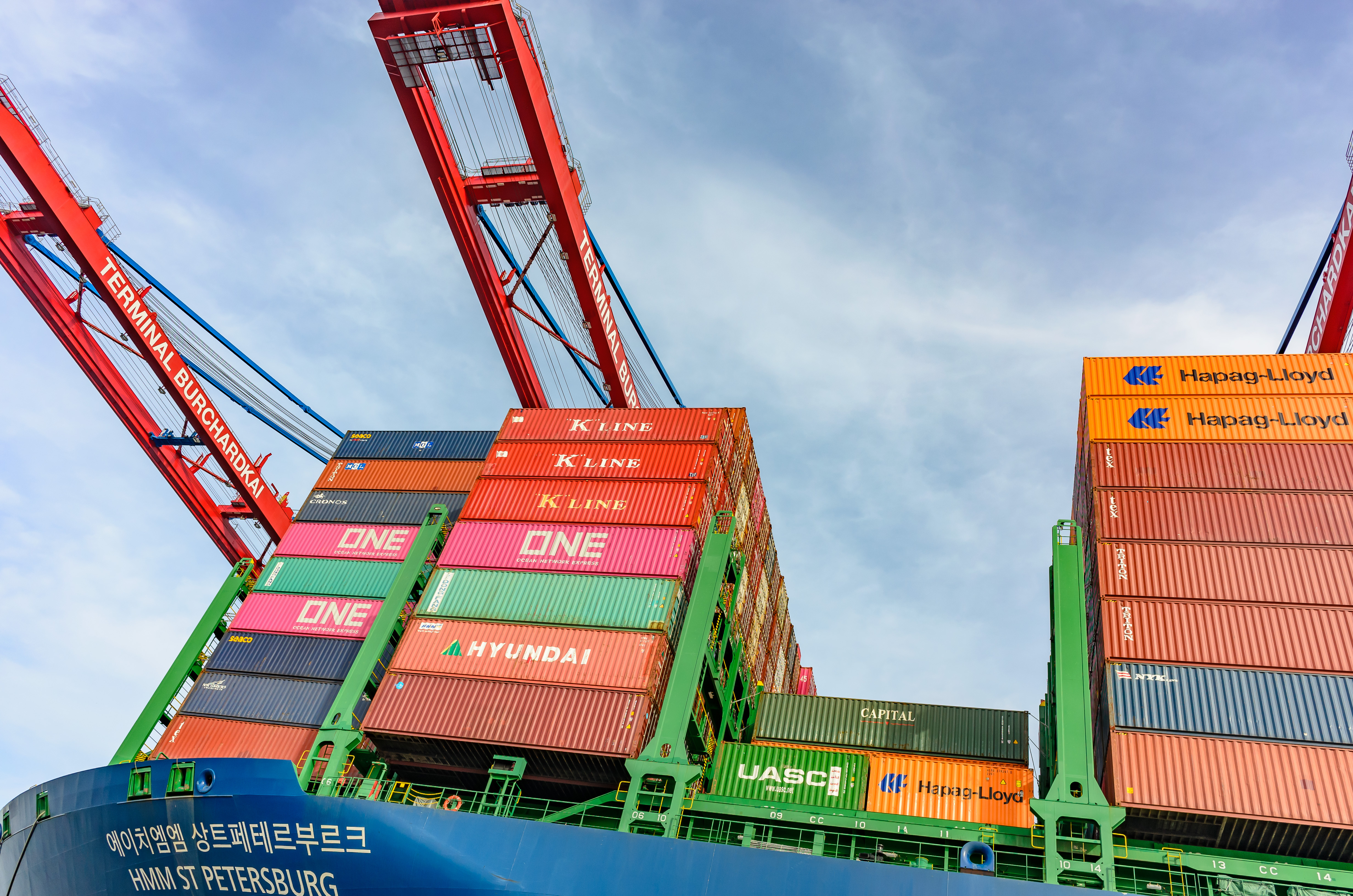
Shipment updates stuck in “No Event” for days? You’re not alone. In 2025, many logistics teams using HMM’s default tracking are still facing status gaps—especially during transshipments or port congestion. And with global reliability averaging just 51.5% and delays holding at 5.3 days, even small blind spots can create major disruptions.
This post breaks down the common causes of HMM tracking delays, practical tips for improving visibility, and when it makes sense to explore more scalable solutions.
Why HMM Tracking Delays Happen
Carrier tracking systems are often designed for individual shippers—not high-volume logistics teams. Here’s where the gaps usually show up:
- Limited update frequency: HMM tracking often refreshes only 2–3 times daily, leading to stale data during fast-moving routes.
- Transshipment pauses: Statuses can disappear when containers transfer vessels or terminals.
- Container-based search only: No consolidated view at the B/L level—forcing you to check each container manually.
- Lag in API response: Even connected systems experience 6–12 hour lags when relying solely on HMM’s data feed.
When managing multiple bookings, even a few hours of delay can slow down customer updates, customs filing, and last-mile coordination.
Immediate Workarounds for HMM Tracking Delays
- Use Master B/L instead of container ID: It usually reveals more events, especially across modes and carriers.
- Enable notifications in HMM’s portal: Their alert system is limited but better than relying solely on manual refreshes.
- Cross-check vessel position with AIS: Use real-time tools like TRADLINX to track ship location when container data is stuck.
These quick fixes help—but may not be enough for teams tracking dozens of containers per week or dealing with customer SLAs.
Why Real-Time Visibility Matters (By the Numbers)
- 69% of supply chain pros cite slow tracking updates as their biggest visibility challenge (Freightos, 2024)
- 5+ hours per week are spent per team member just checking shipment statuses (Gartner, 2023)
- Real-time tracking enables 32% fewer client complaints and 3.5x faster issue resolution (project44, 2024)
- 12–18% in logistics cost savings possible with automated tracking and alert workflows (McKinsey, 2023)
Reliable, proactive tracking isn’t just helpful—it’s the new baseline for modern, responsive supply chain operations.
When Built-In Tracking Isn’t Enough
HMM’s tracking portal works fine for small shippers, but as volume and complexity grow, so do the blind spots. Here’s how high-performing teams are closing those gaps with scalable, automated solutions.
| Tracking Issue | Operational Impact | How It’s Solved |
|---|---|---|
| Delayed HMM updates | Missed transshipments or ETA changes | Combine HMM + AIS data for more frequent signals |
| No real alert system | Teams miss rollovers, vessel arrivals, early releases | Email and Slack alerts based on milestone events |
| Disjointed tools | Manual B/L, container, and vessel lookup across sites | Unified dashboard for all tracking data |
| Client follow-ups | Time lost generating updates or screenshots | Live links for shipment status, branded for customers |
| No analytics | Hard to identify recurring issues by lane or region | Route-level delay analysis, port performance reports |
Whether you’re tracking 5 shipments or 50, the goal is the same: reduce surprises, improve service, and save time.
How High-Volume Teams Are Solving These Issues
To manage growing complexity, more shippers and forwarders are moving toward integrated platforms like TRADLINX Ocean Visibility. These tools are purpose-built for managing volume, visibility, and velocity across the supply chain.
- One dashboard: Track containers, B/Ls, and vessels all in one place
- Predictive alerts: Get notified of disruptions before they impact delivery
- Automated sharing: Send branded links to clients without extra work
- Scalable tracking: Handle 10, 100, or 1,000+ shipments at once
With less time spent on status checks, teams can re-focus on exceptions, customer communication, and performance improvement.
Summary: What to Do When HMM Tracking Isn’t Enough
If your team relies on HMM but struggles with slow updates, poor visibility, or constant manual effort—here’s a quick decision guide:
| Problem | Why It Happens | Suggested Fix |
|---|---|---|
| Updates missing or delayed | Slow refresh + transshipment gaps | Track via Master B/L + overlay AIS data |
| Clients asking for updates | No shareable live tracking | Send branded links from visibility platform |
| Too many shipments to check | No multi-shipment view | Use consolidated dashboards & auto-alerts |
| Can’t plan around disruptions | No predictive ETA insights | Adopt tools with congestion-aware forecasting |
Real-time visibility isn’t a luxury—it’s now essential for responsive, cost-effective logistics management.
Why overpay for visibility? TRADLINX saves you 40% with transparent per–Master B/L pricing. Get 99% accuracy, 12 updates daily, and 80% ETA accuracy improvements, trusted by 83,000+ logistics teams and global leaders like Samsung and LG Chem.


Prefer email? Contact us directly at min.so@tradlinx.com (Americas) or henry.jo@tradlinx.com (EMEA/Asia)



Leave a Reply