
The Reason Your Chocolate Costs More This Year
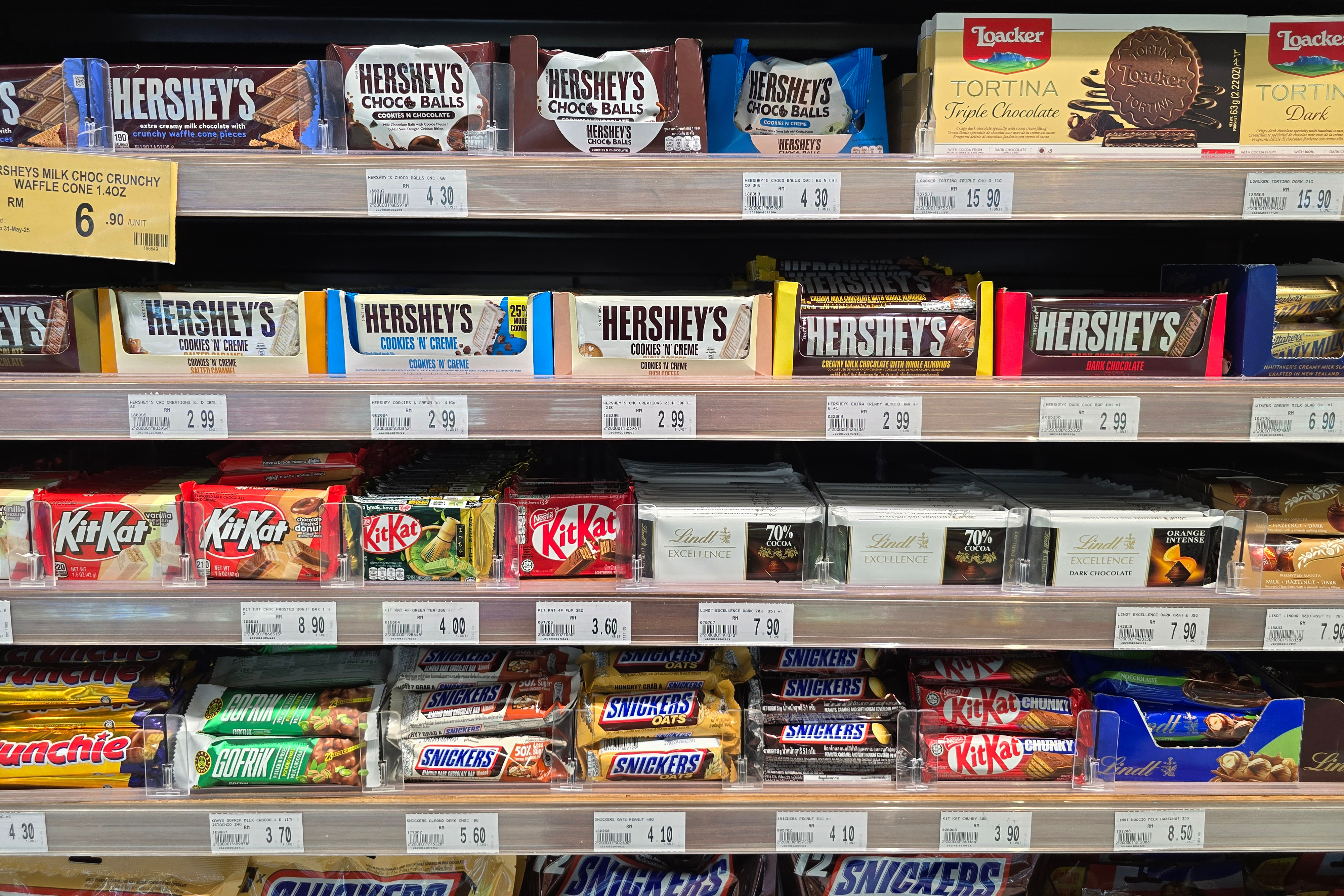
In 2025, The Hershey Company, the most iconic name in American chocolate, is facing a bitter twist in its supply chain. A new wave of tariffs on cocoa imports from major suppliers like Côte d’Ivoire, Ghana, and Ecuador has triggered a sharp spike in production costs, with Hershey reporting up to $100 million in added quarterly expenses. As a result, consumers have already seen chocolate bar prices jump as much as 41% since 2021, while Hershey’s gross margins fell by 700 basis points in Q2 2025.
This post explores how Hershey’s global supply chain, particularly its reliance on West African cocoa, has made it one of the most severely impacted U.S. food companies during the ongoing trade war. We’ll break down the company’s response, assess the ripple effects across the chocolate industry, and outline critical lessons for logistics and sourcing professionals.
Why Hershey Is Uniquely Vulnerable to Cocoa Tariffs
Unlike some of its competitors, Hershey’s business model depends heavily on cocoa sourced from a few key producing regions most notably West Africa. In 2025, the U.S. government imposed new import tariffs of 21% on cocoa from Côte d’Ivoire, 10% on cocoa from Ghana, and 10% on Ecuadorian imports. These three countries represent a significant portion of Hershey’s cocoa supply chain.
The impact is especially acute because cocoa cannot be grown domestically in the U.S.. Hershey has little flexibility to pivot to local sources. By contrast, companies like Nestlé and Mondelez have better insulated their operations through diversified global production and regional sourcing strategies:
| Company | Tariff Exposure | Mitigation Strategy |
|---|---|---|
| Hershey | High – 21% on cocoa imports | Lobbying, price hikes, supplier review |
| Nestlé | Low – 90% of U.S. goods produced domestically | Localized production, footprint in multiple regions |
| Mondelez | Minimal – diversified geography | Domestic and USMCA-compliant sourcing |
Hershey’s CEO, Michele Buck, has been vocal in her opposition to the tariffs, stating: “Cocoa cannot be grown in the United States and thus, we are engaging with the U.S. government to seek an exemption.”
This singular reliance on tariffed commodities, combined with limited sourcing alternatives, puts Hershey in a uniquely exposed position as the trade war continues to escalate.
Note: Tariff rates mentioned are based on publicly reported data as of mid-2025. These rates are subject to change pending trade negotiations, legal challenges, or executive orders.
The Financial and Operational Toll on Hershey
The financial blow from the cocoa tariffs has been swift and severe. In Q3 and Q4 of 2025, Hershey reported an estimated $100 million in added quarterly costs, a direct result of the new import duties. Compounded by historically high cocoa prices and elevated shipping rates, the company’s gross margins declined by 700 basis points in Q2, among the steepest drops in the U.S. confectionery industry.
To cushion the margin erosion, Hershey has raised retail prices on many of its bestselling products. According to public filings and retailer disclosures:
- Premium chocolate lines saw price increases of up to 20%.
- Some SKUs experienced “shrinkflation”; smaller package sizes at unchanged prices.
- Unit sales volume fell across key segments in mid-2025, especially in grocery and convenience retail.
Because chocolate production depends so heavily on imported cocoa, Hershey cannot offset these pressures with domestic sourcing. This has made cost pass-throughs to retailers and consumers a necessary but risky move, especially in a highly competitive grocery market.
Hershey’s Strategic Response to the Trade War
Facing rising costs and public scrutiny, Hershey has adopted a multi-pronged response strategy to navigate the 2025 trade disruptions. The company’s approach centers on policy engagement, pricing adjustments, and long-term supply chain adaptation.
1. Lobbying for Cocoa Tariff Exemptions
Hershey has directly petitioned the U.S. government to remove or reduce tariffs on cocoa imports citing the fact that cocoa is a non-substitutable ingredient that cannot be produced domestically. CEO Michele Buck emphasized this point in public statements and in meetings with trade officials, urging an exemption for core ingredients critical to domestic production.
2. Retail Pricing and Product Strategy
The company has implemented controlled price increases, especially on premium lines and seasonal assortments. These hikes help protect profit margins but have introduced price sensitivity among U.S. shoppers. Hershey is also:
- Evaluating SKU-level profitability to prioritize high-margin items.
- Maintaining supply of flagship products even at reduced profitability to protect brand presence.
3. Supply Chain Reevaluation
While cocoa sourcing diversification is limited due to global production patterns, Hershey is reviewing other areas of its supply chain for cost-saving potential. This includes logistics contracts, packaging material sourcing, and warehousing strategy in North America.
4. Stakeholder Communication
To maintain investor confidence and retail cooperation, Hershey has emphasized transparency around its cost challenges. The company continues to issue earnings guidance and strategic updates while assuring stakeholders of its long-term operational resilience.
Which Hershey Products Are Most Affected?
Not all of Hershey’s products are equally exposed to the cocoa tariff shock. The company’s most iconic and cocoa-rich brands are bearing the brunt of the cost increases. Products with high chocolate content or premium cocoa blends are particularly affected by the new import duties and elevated commodity prices.
| Product Line | Tariff Exposure | Observed Impact |
|---|---|---|
| HERSHEY’S Bars | High | Significant price increase and margin pressure |
| HERSHEY’S KISSES | High | Supply cost surge; vulnerable due to cocoa purity |
| REESE’S Cups | Moderate to High | Chocolate coating affected, but peanut base cushions impact |
| SYMPHONY & Special Dark | Very High | High cocoa percentage amplifies tariff effects |
| KIT KAT (U.S.) | High | Imported or licensed cocoa components raise exposure |
Conversely, non-chocolate or lower-cocoa products such as Twizzlers or Jolly Rancher have experienced less direct impact, although costs related to packaging and sugar-based ingredients have also risen under the broader trade environment.
Lessons for Supply Chain and Logistics Professionals
Hershey’s situation is a real-time case study in how global sourcing vulnerabilities and trade volatility can rapidly disrupt even the most established brands. For logistics professionals, the following insights are especially valuable:
1. Supply Chain Flexibility Is Critical
Relying heavily on single-source or region-specific raw materials exposes businesses to geopolitical and trade risks. Companies should invest in alternative sourcing strategies, develop regional buffers, and maintain multiple qualified suppliers where possible.
2. Trade Policy Monitoring Must Be Ongoing
Hershey’s active lobbying highlights the need for supply chain and compliance teams to stay ahead of policy shifts. Building in-house trade expertise or maintaining strong advisory relationships can mitigate reactive disruptions.
3. Scenario Planning Drives Pricing and Procurement Agility
Hershey’s use of shrinkflation and dynamic pricing reflects the importance of having multi-path cost strategies. Integrated planning across logistics, procurement, and finance allows for better response to unpredictable input costs.
4. Transparency with Retail and Distribution Partners
Clear communication with downstream partners about pricing and supply changes can preserve trust, even when difficult decisions are made. Hershey’s proactive investor and retailer updates provide a useful model.
5. Strategic Government and Industry Collaboration
Supply chain resilience is no longer just about optimization. Advocacy, regulatory engagement, and participation in trade policy discussions are essential functions for large-scale operators in a volatile trade landscape.
A Bitter Lesson in Supply Chain Fragility
Hershey’s ongoing battle with cocoa tariffs is a cautionary tale for logistics and supply chain professionals navigating today’s global trade landscape. The company’s experience illustrates how dependency on non-substitutable imports, coupled with limited regional sourcing flexibility, can magnify exposure to geopolitical and regulatory risks.
Through pricing strategy, policy engagement, and internal supply chain reviews, Hershey is working to weather the storm. But with tariff uncertainty continuing into late 2025, the company faces ongoing challenges in balancing cost, availability, and consumer demand.
Whether it’s ingredient delays, cost surges, or trade policy shifts, knowing where your goods are is more important than ever. With TRADLINX, you can track shipments in real time, anticipate disruptions, and adapt before problems reach the shelf. Start optimizing your supply chain visibility today.

Frequently Asked Questions: Hershey, Cocoa Tariffs, and the 2025 Trade War
Why is Hershey affected more than other chocolate companies?
Hershey relies heavily on cocoa imports from countries hit with steep U.S. tariffs, including Côte d’Ivoire and Ghana. Unlike competitors like Nestlé or Mondelez, Hershey lacks a broad international manufacturing base to buffer the impact.
Which Hershey products are most impacted by tariffs?
Chocolate-heavy products like HERSHEY’S Bars, KISSES, SYMPHONY, and Reese’s Cups are the most affected due to their high cocoa content. Products with less chocolate, such as Twizzlers, have been less impacted.
How has Hershey responded to the rising cost of cocoa?
The company raised prices on many chocolate products, implemented shrinkflation on select SKUs, and launched a lobbying campaign to seek cocoa tariff exemptions from the U.S. government.
How much have chocolate prices increased in the U.S.?
Average chocolate bar prices in the U.S. have risen by approximately 41% since 2021, with Hershey implementing price hikes of up to 20% on premium lines in 2025.
Could cocoa tariffs change again in the near future?
Yes. Tariffs are subject to trade negotiations and policy shifts. Hershey and other companies are actively lobbying for changes, and final decisions may evolve in coming months.
Disclaimer: All tariff rates, policy positions, and trade developments referenced in this article are current as of Q3 2025 based on available reporting and industry data. Given the evolving nature of international trade agreements and regulatory updates, readers are advised to consult official government sources or industry bulletins for the most current information.
References
- Hershey Seeks Tariff Exemption for Cocoa – Wall Street Journal
- Hershey Seeking Cocoa Tariff Relief – Supply Chain Dive
- Hershey Reiterates Outlook Without Full Tariff Impact – Bloomberg
- Hershey to Raise Prices Amid Cocoa Cost Surge – Reuters
- Tariffs Could Cost Hershey $200M – Food Business News
- Hershey’s White House Push for Tariff Relief – Confectionery Production
- Nestlé’s Tariff Immunity Claim – Just Food
- Hershey Bracing for Cocoa Impacts – Baking Business
- Mondelez Maintains Guidance Despite Tariffs – Food Navigator
Why overpay for visibility? Tradlinx saves you 40% with transparent per–Master B/L pricing. Get 99% accuracy, 12 updates daily, and 80% ETA accuracy improvements, trusted by 83,000+ logistics teams and global leaders like Samsung and LG Chem.


Prefer email? Contact us directly at min.so@tradlinx.com (Americas), sondre.lyndon@tradlinx.com (Europe) or henry.jo@tradlinx.com (EMEA/Asia)



Leave a Reply