
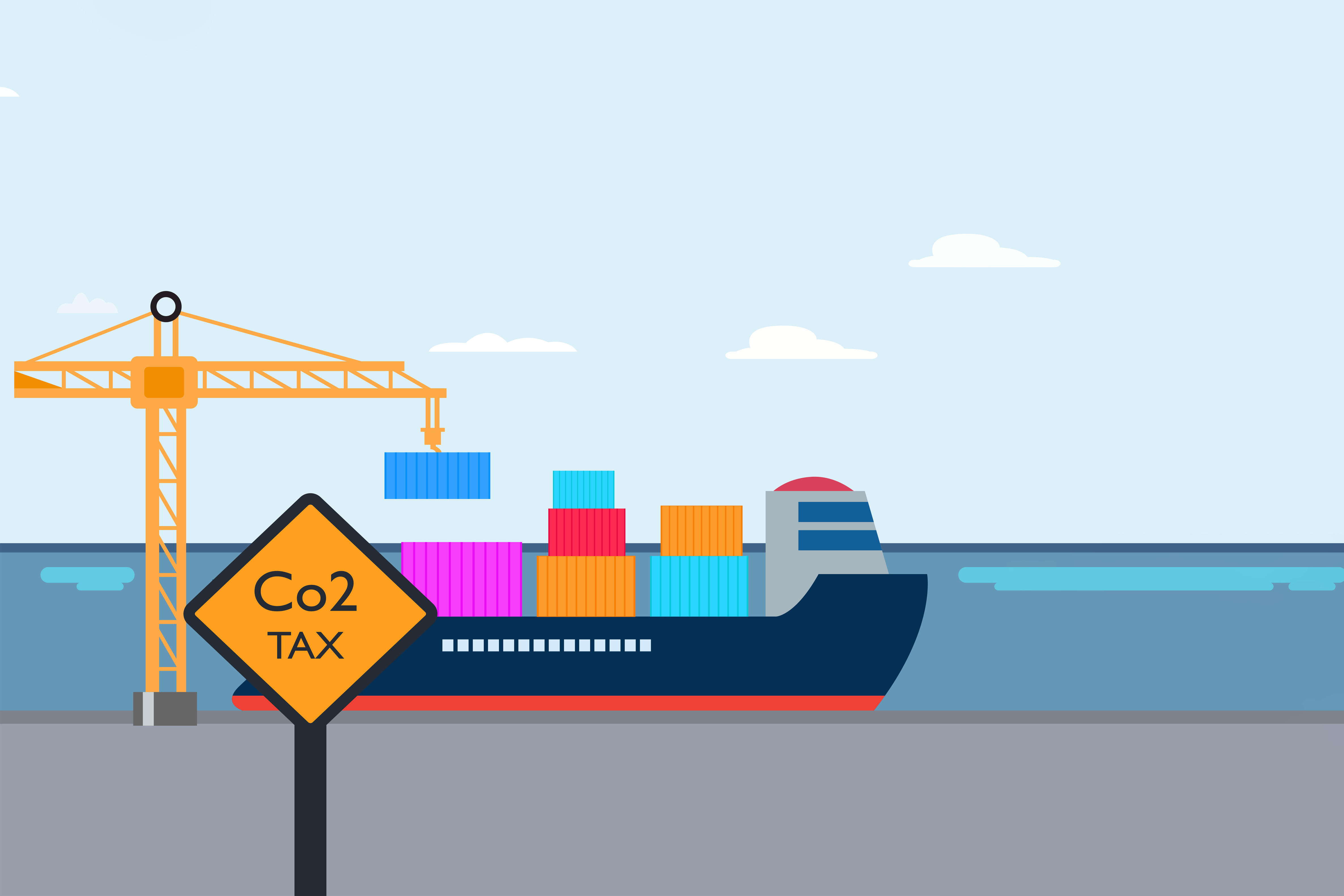
As the importance of environmental preservation is emphasized day by day, the shipping industry is also making continuous efforts to reduce carbon emissions. For example, in July of last year, the International Maritime Organization (IMO) applied the CII rating to manage carbon emissions from 2024, and agreed to achieve carbon neutrality by 2050, including limiting the operation of ships that emit more carbon than a certain level.
During the 81st meeting of the Marine Environment Protection Committee (MEPC) held from March 18 to 22, 2024, the IMO proposed a ‘carbon tax on ships’ that would levy fees on greenhouse gases emitted by ships worldwide. By adopting the ‘IMO Net Zero Framework Draft’, substantial changes are anticipated in the shipping industry to curb emissions.

Technological Advances and Alternative Fuel Adoption
Currently, most ships are powered by petroleum-based fuels, particularly heavy oil. This heavy oil is carbon-intensive due to its composition as a byproduct of other fuel processing. The industry is progressively transitioning to alternative fuels to replace heavy oil.
According to the ‘First Quarter Ship Sales Market Trends and Forecast Report’ published by the Korea Maritime Promotion Agency on April 22, 2024, 224 out of the 394 new ships ordered in the first quarter are fueled by alternative sources. The fuel composition of these new orders includes 32% LNG, 21% methanol, 13% LPG, 8% ammonia, and 26% other fuels. Among these, LNG is currently the most efficient alternative fuel considering technology, infrastructure, and cost.
With the increasing adoption of alternative fuels, marine operators face significant challenges in handling these new energy sources. They must mitigate risks related to the gaseous mixture of methane, hydrogen, and ammonia, the flammability of methanol, and the toxicity of ammonia and methanol. Proper training for crew members in managing these fuels will be a critical challenge moving forward.

Repurposing Shipping Containers
Shipping containers, initially designed to transport goods and materials over long distances and through harsh conditions, are increasingly being repurposed in ways that significantly reduce carbon emissions. Recently, there has been a rapid rise in using containers as alternative spaces, such as pop-up stores, cozy homes, and offices (Shipping container swimming pools have also become popular in North America over the last few years). Their sturdy and durable design makes them perfect for long-term storage solutions, even for non-maritime applications. Therefore, repurposing shipping containers prevents unnecessary disposal and reduces the demand for new building materials like wood, bricks, and cement, thereby lowering carbon emissions.
However, one thing to note is that most shipping containers use various pesticides to comply with global import and export regulations and procedures, so when reusing them, it’s advisable to paint both the interior and exterior surfaces with non-toxic paint or similar measures to mitigate potential toxic exposure.

Incorporating Advanced Technologies for Carbon Emission Reduction
The integration of AI and Machine Learning(ML) technologies is significantly enhancing carbon emission reduction efforts within the shipping industry. For example, large volumes of data can be collected and real-time analysis performed to recommend optimal routes and provide precise arrival time predictions. Optimal routing not only improves fuel efficiency but also minimizes fuel consumption, thus reducing carbon emissions. A notable example includes NYK Group, a prominent global logistics and transport entity, which has implemented an AI-based application to monitor real-time metrics such as vessel speed, fuel usage, and engine performances. This application supports compliance with IMO regulations while contributing in the reduction of fuel consumption and emissions.
By analyzing sensor data from ships, advanced data analytics enable predictive maintenance, forecasting equipment failures to directly reduce carbon emissions by minimizing maintenance time and costs, thereby enhancing fuel efficiency.
Utilizing services like Tradlinx’s Ocean Visibility, shipping companies gain access to real-time positional data of vessels, facilitating enhanced tracking from departure to arrival. This service allows for planning the most efficient routes and more accurate prediction of arrival time, further optimizing fuel consumption and reducing carbon emissions.


Utilization of Waste Heat Recovery (WHR)
Waste Heat Recovery (WHR) systems can capture excess heat from a ship’s engine, converting it into additional power for onboard auxiliary equipment or electricity for various processes. Typically, a significant amount of heat is produced during engine operation, much of which goes unused. However, by harnessing this waste heat, ships can improve efficiency and support tasks like heating, freshwater generation, and power supply. Waste heat is categorized into high-temperature and low-temperature types based on the temperature at which it’s generated.
By converting waste heat into usable energy, WHR devices significantly reduce overall fuel consumption. This enhancement in fuel efficiency not only lowers operational costs but also decreases carbon emissions, aligning with broader environmental sustainability goals in maritime transport.
TRADLINX Ocean Visibility revolutionizes supply chain operations with its Ocean Visibility features, offering real-time shipment tracking, predictive analytics for lead times, and seamless management tools for freight forwarders and shippers worldwide.



Leave a Reply