
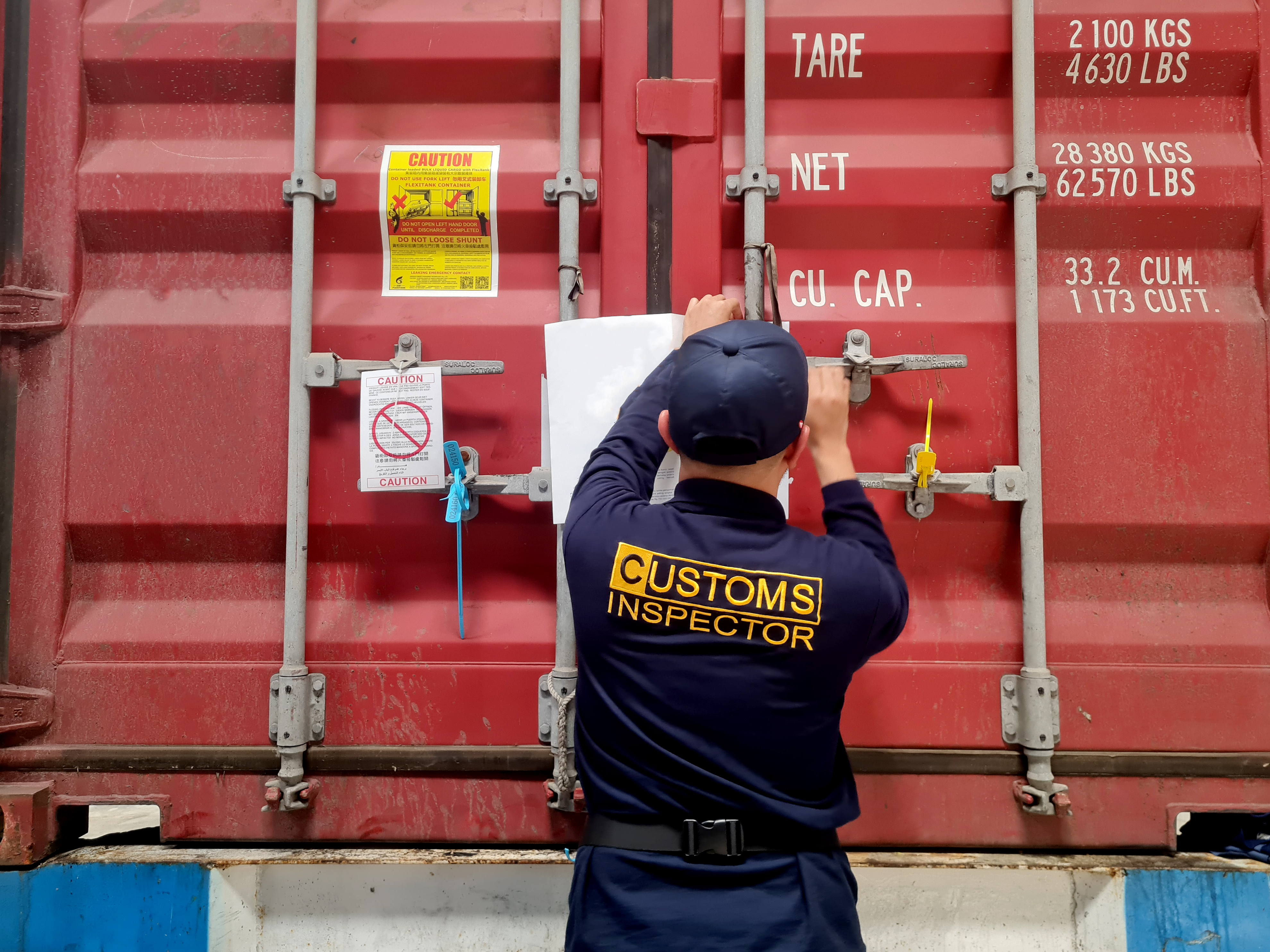
If a container is stuck in U.S. customs, speed comes from clarity. Identify the hold, confirm the presentation date, and act against the five-day and thirty-day decisions that govern release. This playbook gives you the steps and the proof points you can cite.
TLDR
- Confirm the hold owner and the hold type first. Your steps depend on that.
- CBP must decide to detain or release within 5 business days after the cargo is “presented for examination,” and must make a final admissibility decision within 30 days of presentation. Failure to decide within 30 days is treated as an exclusion that can be protested.
- While you wait, log appointment unavailability and gate constraints. This supports later disputes under the FMC’s demurrage and detention (D and D) billing rule.
Step 1. Get the exact hold and the presentation date
Ask your broker or terminal for:
- Hold owner: CBP or a Partner Government Agency. If it is FDA or USDA, jump to the relevant guide in this series.
- Hold type: document hold, non-intrusive inspection (NII, X-ray; formerly VACIS), tailgate, or intensive exam at a Centralized Examination Station (CES).
- Presentation date: the day the container was in a condition to be viewed by CBP. This date starts the 5-day and 30-day clocks.
Proof note you can cite in emails
“Under 19 CFR 151.16, CBP has five business days from presentation to decide to detain or release, and thirty days from presentation to make a final admissibility determination.”
Step 2. The first 72 hours
Hour 0 to 24
- Pull the entry packet: invoice, packing list, HS codes, country of origin (COO), assists, Partner Government Agency (PGA) docs.
- Confirm who owns each action: broker, CES, terminal.
- Record the presentation date and the hold code in your tracker.
Hour 24 to 48
- Lock an exam slot with the CES or terminal and ask for estimated queue time in writing.
- If documents triggered the hold, send corrected data now to avoid escalation to intensive.
Hour 48 to 72
- Start a contemporaneous log: time-stamped screenshots of appointment attempts, gate closures, or return restrictions. This is key evidence if you dispute D and D later under the FMC rule.
Common CBP exam types and what clears them
| Exam type | What it is | Typical next step |
|---|---|---|
| Non-intrusive inspection (NII, X-ray; formerly VACIS) | Scan at terminal or CES | Clean image leads to release or a downgrade to tailgate if ambiguous. |
| Tailgate | Doors opened and a quick visual check | Clear visual leads to release or escalation to intensive. |
| Intensive | Full devanning and hands-on inspection at a CES | Precise docs and a repack plan reduce dwell. Plan for several days depending on port load. |
Timing varies by port congestion and CES load. Treat the table as planning ranges, not promises.
The timers that matter
- 5 business days after presentation: CBP decides whether to detain or release. If not released within 5 days, it is “detained” under 19 U.S.C. 1499(c)(1).
- 30 days after presentation: CBP must make a final admissibility decision. If CBP fails to decide within 30 days, it is treated as an exclusion that you can protest.
- Protests: many CBP decisions are protestable. Protests are typically filed on CBP Form 19, often within 180 days after liquidation, or for exclusions under the specific exclusion protest path. File via the ACE Protest Module when possible.
Cut D and D exposure while you wait
- The FMC’s final rule sets who may be billed, what must be on an invoice, and timeframes for issuing and disputing demurrage and detention (D and D). Invoices issued from May 28, 2024 must comply. Document when you could not pick up or return due to a hold or appointment unavailability.
Template language for a dispute file
Subject: Evidence of unavailability during hold for [Container / Entry]
We attempted to secure an appointment on [dates and times]. The terminal or CES reported no available slots. Attached are screenshots and emails. Under the FMC billing rule, charges must reflect fluidity conditions and correct bill-to parties.
Two copy-ready emails
Subject: Hold details and earliest exam slot for [Container / Entry]
We show a CBP [hold type] as of [date]. Please confirm the exact code, queue position, and the first available slot. We will maintain a log of appointment attempts and any unavailability.
Subject: Update on your shipment [PO / Container]
Your container is under a CBP [hold type]. We have booked the first available exam slot and will update every 24 hours. Typical paths for this exam type are [expected path]. Actual timing depends on port conditions and CES capacity.
Centralize carrier tracking. Get instant alerts. Build a live watchlist that logs all container events across carriers in one shared view with TRADLINX Ocean Visibility.

References
- 19 CFR § 151.16: Detention of merchandise (five-business-day decision to detain or release, 30-day admissibility decision).
- 19 U.S.C. § 1499: Examination of merchandise (deemed exclusion and protest route if decision is not made).
- CBP Protests overview (CBP Form 19, protest window).
- ACE Protest Module FAQ (electronic filing notes).
- Federal Register: Demurrage and Detention Billing Requirements (final rule notice, effective May 28, 2024).
- 46 CFR Part 541 (FMC D and D billing requirements, invoice content, timelines).
- FMC article: Final rule takes full effect May 28, 2024 (compliance reminder).
- CBP: Cargo Examination (exam program context).
- 19 CFR § 118.1 and 19 CFR Part 118 (definition and rules for Centralized Examination Stations).
- CBP Tips for Importers: CES notes (devanning and cost expectations).
Use this as a playbook, not a directive. Timing, hold types, and fees vary by port and exam station. For decisions that affect liability, tariffs, admissibility, product safety, or demurrage and detention disputes, consult your licensed customs broker or counsel. Containerized freight only. Last reviewed: August 12, 2025.

Prefer email? Contact us directly at min.so@tradlinx.com (Americas), sondre.lyndon@tradlinx.com (Europe) or henry.jo@tradlinx.com (EMEA/Asia)



Leave a Reply