
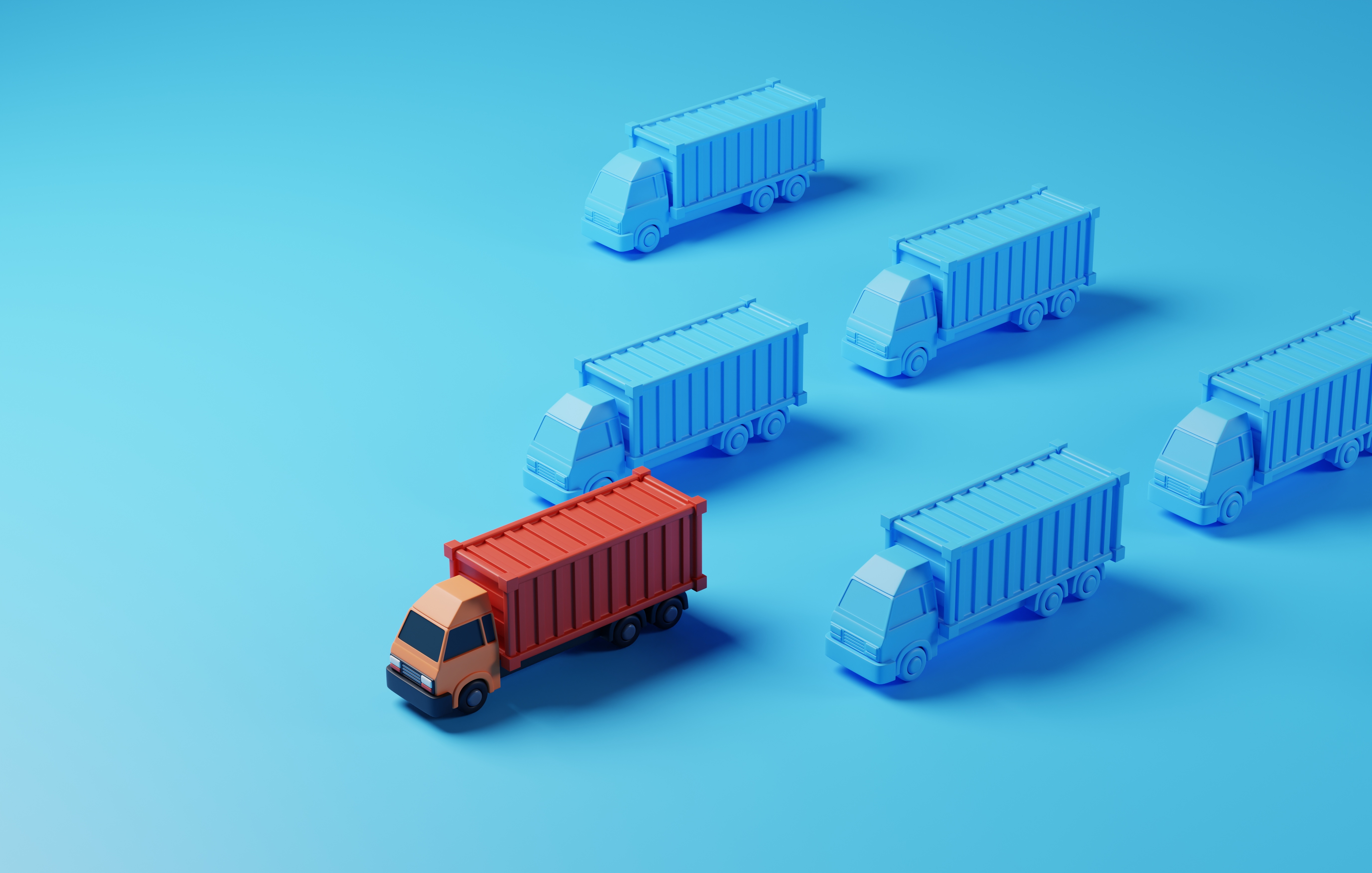
The logistics and freight forwarding industry is evolving rapidly. With over 53% of market share held by the top 20 sea freight forwarders, smaller forwarders face significant competition. But the market isn’t just dominated by large players—it’s also highly fragmented, offering plenty of opportunities for forwarders who adapt to changing demands.
As globalization, e-commerce, and technology reshape the industry, forwarders must focus on their strengths: providing tailored services, building trust, and leveraging tools that offer real value. Even as automation transforms the logistics sector, forwarders can lead by embracing it—not as a threat, but as a chance to differentiate themselves.
This guide explores actionable strategies to help forwarders deliver standout service, win high-value contracts, and build loyalty in a competitive landscape.
1. Understand the Evolving Needs of Shippers
Shippers today expect forwarders to do more than move goods—they want a partner who can help them navigate complexity and uncertainty. Their top demands include:
- Real-Time Tracking: Frequent, reliable updates that enable proactive decision-making during disruptions.
- Custom Insights: Reports and notifications that provide visibility into their specific supply chain needs, helping them stay in control.
- Risk Reduction and Efficiency: Predictive analytics that address potential delays, navigate port congestion, and optimize delivery costs.
Meeting these demands isn’t about being a “yes-man,” sending holiday cards, or adding to long email threads. It’s about delivering clear, timely answers—sometimes before clients even know they need them. Forwarders who provide seamless, proactive solutions build trust and stand out in the competitive landscape.

2. Overcome Key Challenges
Standing out requires addressing the industry’s persistent challenges head-on:
- Outdated Processes: Many forwarders still rely on manual systems like spreadsheets or phone calls, which limit scalability and efficiency.
- Example: One forwarder using manual processes for tracking faced significant delays during peak seasons. After switching to automated tools, they saved over 500 hours annually—cutting reporting times from 10 minutes to 10 seconds—while improving client satisfaction.
- Scaling Personalization: Providing tailored services for a growing client base can overwhelm teams without the right tools and processes.
- Price-Driven Competition: Competing on price alone can attract low-value customers while undervaluing your services. Focus instead on serving high-value clients who appreciate expertise and reliability.
3. Build a Strong Digital Brand
A strong digital presence isn’t optional—it’s essential. In a world where everything from port operations to client interactions is increasingly digital, forwarders need to stand out online.
- Branded Portals: When you deliver excellent service, ensure clients associate that success with your company—not just the technology behind it. Tools like branded portals allow you to own the experience.
- Pro Tip: Branding isn’t just for influencers. In logistics, a consistent and professional digital presence is what helps your services stand out.
- Custom Tracking Widgets: Tools like TRADLINX’s Track On-Site widget allow clients to track shipments directly on your website, reinforcing your brand while simplifying their experience.
- Results: Forwarders who use branded tools report a 20% increase in client retention, thanks to improved trust and visibility.

4. Leverage Real-Time Data and Visibility
Transparency builds trust. By offering real-time data and visibility, forwarders can keep clients informed at every step.
- Frequent Updates: Tools that refresh tracking data up to 12 times a day give you a major advantage over the industry standard of 2-4 updates. This level of accuracy helps clients react quickly to potential disruptions.
- Example: A forwarder providing hourly updates enabled a client to reroute shipments during unexpected port congestion, saving time and costs.
- Predictive Analytics: Provide clients with predictive ETAs and port congestion insights to help them plan proactively and avoid unnecessary delays.

5. Personalize Customer Experiences
Tailored experiences create loyalty. Personalization shows clients that you understand their unique needs and can adapt to them.
- Custom Reports: Deliver reports that reflect your brand while addressing specific client goals, like tracking delivery performance or identifying cost-saving opportunities.
- Proactive Communication: Notify clients about potential delays, alternative routes, or other opportunities for optimization before they need to ask.
- Results: Forwarders using personalized notifications reported up to 30% increase in customer retention—a testament to the power of tailored services.
6. Automate and Scale Operations
Scaling without automation isn’t sustainable. Forwarders who embrace automation can streamline workflows and focus on growth.
- Automated Tracking Reports: Automation not only saves time but also reduces errors in data entry and reporting, improving overall client trust in your operations.
- API Integrations: Seamlessly connect tracking tools to your existing systems (e.g., WMS, TMS, CRM) to improve data consistency and operational efficiency.
- Results: Automation helps forwarders reduce manual tasks by 50%, enabling teams to focus on customer acquisition and strategic planning.
7. Deliver Tangible Results
To win high-value contracts and retain clients, forwarders need to translate innovation into measurable results.
- Winning Bids: Advanced tracking tools and predictive insights can improve bid success rates by up to 70%. Walking into a meeting with precise, actionable data demonstrates your value and reliability.
- Building Loyalty: Personalization, transparency, and responsiveness create a stronger connection with clients, boosting retention and long-term partnerships.
- Example: You walk into a client meeting armed with accurate data and clear solutions. While competitors rely on outdated reports, you offer actionable insights that drive better decision-making. The choice becomes clear.
Conclusion: Know Your Worth and Show It
Success in logistics demands more than strategy—it requires the right tools. The TRADLINX Product Evolution Report highlights cutting-edge features like predictive ETAs, branded portals, and real-time tracking that forwarders are using to thrive in 2025.
🔗 Download the TRADLINX Product Evolution Report to discover:
- The latest advancements, including predictive analytics, hourly tracking updates, and advanced data integrations.
- A roadmap of innovations set to transform logistics in 2025 and beyond.
- Success stories from businesses that have optimized operations using TRADLINX Ocean Visibility.

Discover how to save time, cut costs, and streamline your operations with TRADLINX Ocean Visibility. Start your free trial or book a free consultation to get expert advice on optimizing your logistics today.



Leave a Reply