
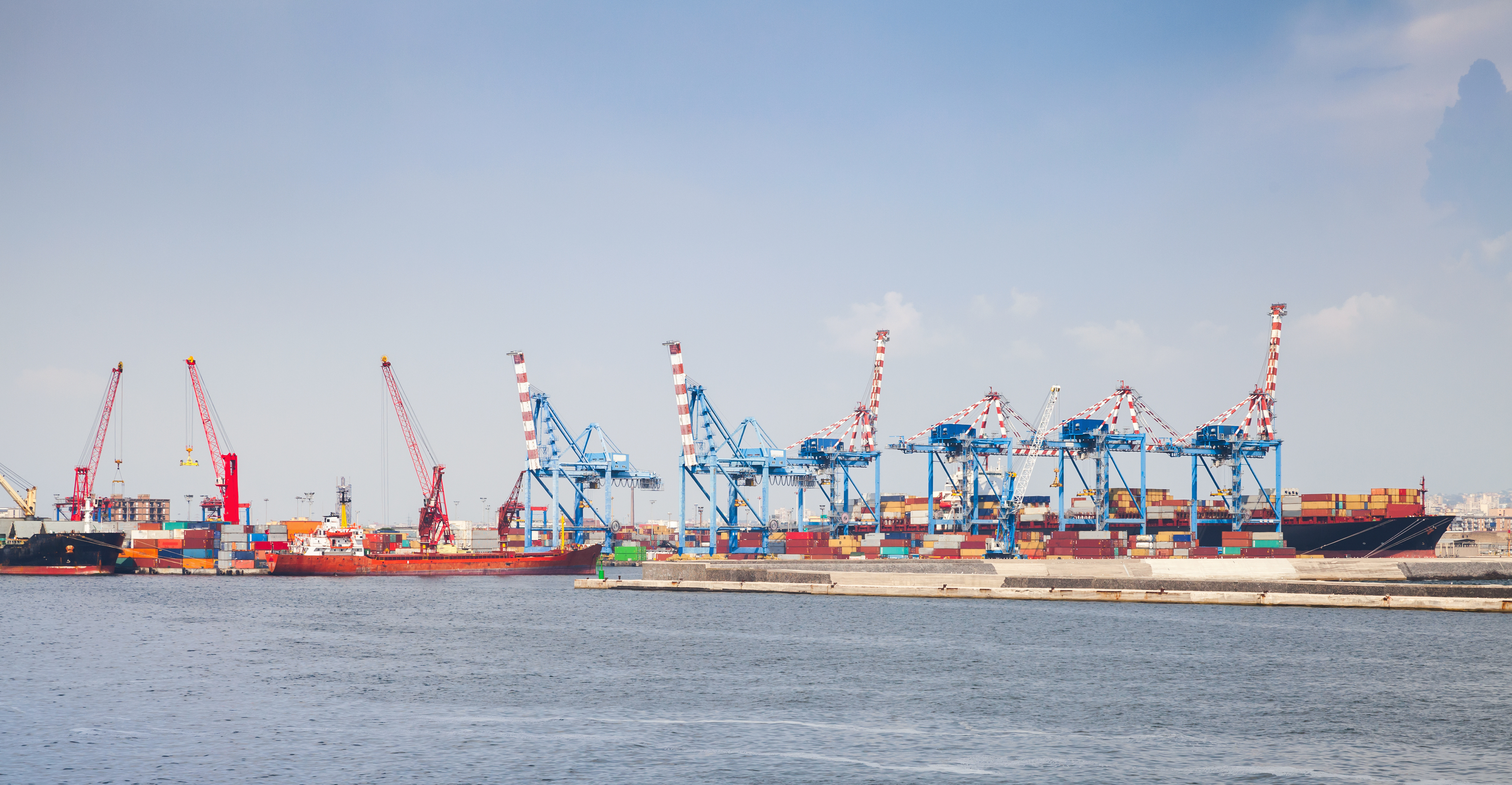
Ongoing strikes in southern Italy and post-cyclone congestion across Sri Lanka and southern India are causing significant logistics delays, with ripple effects across transshipment networks and inland distribution.
1. Italy Port Strikes Expand: Naples and Salerno Hit by Trucking Disruptions
Current Situation:
Unannounced and escalating trucker strikes are disrupting operations at Naples and Salerno, two key Mediterranean ports. The action began on 1 December in Naples and escalated to Salerno on 3 December, according to operational advisories. Unlike earlier, scheduled labor actions, this wave of strikes stems from grassroots frustration over unresolved road congestion and poor inland connectivity.
What’s Affected:
- Container gate-in/out delays across both ports
- Feeder services on Europe-Asia routes facing unpredictable delays
- LCL and time-sensitive cargo (especially perishable and automotive) most impacted
- Trucking coordination disrupted beyond port zones due to cascading congestion
What to Watch:
- December 9–24: Italy’s nationwide transport and logistics strike calendar includes:
- Dec 9–11: National ferry stoppages
- Dec 12: General strike (freight, ports, rail)
- Dec 17: Aviation sector actions
- Dec 22–24: National freight logistics strikes
Expect cumulative disruption across inland trucking, feeder reliability, and port-side availability throughout December. Rerouting via Genoa, Trieste, and North Europe may offer temporary relief — though congestion at Antwerp and Rotterdam remains high.
2. Post-Cyclone Congestion Persists at Colombo and South Indian Ports
Current Situation:
After Cyclone Ditwah forced temporary shutdowns at Colombo & Kattupalli shutdowns + partial disruptions at Chennai/Ennore, operations have resumed — but at reduced efficiency. As of early December:
- Colombo Port:
- Vessel queues: 13+ ships, average 2-day wait
- Transshipment delays impacting Far East–Europe and Middle East–US lanes
- Kattupalli & Chennai:
- Inland congestion, water damage to approach roads
- Minimum productivity (around 12–13 moves/hour)
- CFS staffing operating at ~65%, causing backlogs for LCL cargo
What’s Affected:
- Transshipment-dependent shipments through Colombo (Asia-Europe routes)
- Peak-season sailings and container bookings into December 3rd and 4th weeks
- CFS handling and customs clearance for southern India import/export cargo
What to Watch:
- Residual congestion at Colombo expected through mid-December
- Container tracking and event-level visibility is essential as schedules shift and rerouting decisions emerge
- Consider alternate routings via Singapore or JNPT/Kakinada, where capacity permits
TRADLINX Insight: Why Visibility Matters Now
December is peak-risk season. These layered disruptions show how port status alone doesn’t reveal the full risk — it’s the landside, CFS, and trucking bottlenecks that compound delays.
With TRADLINX’s multi-carrier visibility, logistics providers can:
- Track container delays across Europe-Asia routes
- Monitor dwell time spikes at Colombo and Naples
- Share real-time status with customers via white-labeled portals
- Detect rerouting patterns early to reduce detention fees

Key Takeaways for LSPs and Forwarders
- Italy’s strikes are not isolated events — they’re part of a broader December logistics slowdown
- Cyclone recovery in South Asia is slower than official reopening suggests — container-level tracking is critical
- Plan around bottlenecks, not just port names: trucking, CFS, and gate access are the chokepoints
Monitor these developments daily, and stay agile — congestion in one hub often reroutes risk to another.
Further Reading
- myKN: Port operational updates – Naples and Salerno
- Reuters: Italy’s largest union calls general strike for December 12
- Reuters: Transport in Italy disrupted by strikes against PM Meloni
- Reuters: Sri Lanka grapples with trauma, loss after deadly cyclone Ditwah
- WHO: Sri Lanka Flash Update on Cyclone Ditwah, December 2, 2025
- Port Congestion Risk Outlook – December


Leave a Reply