
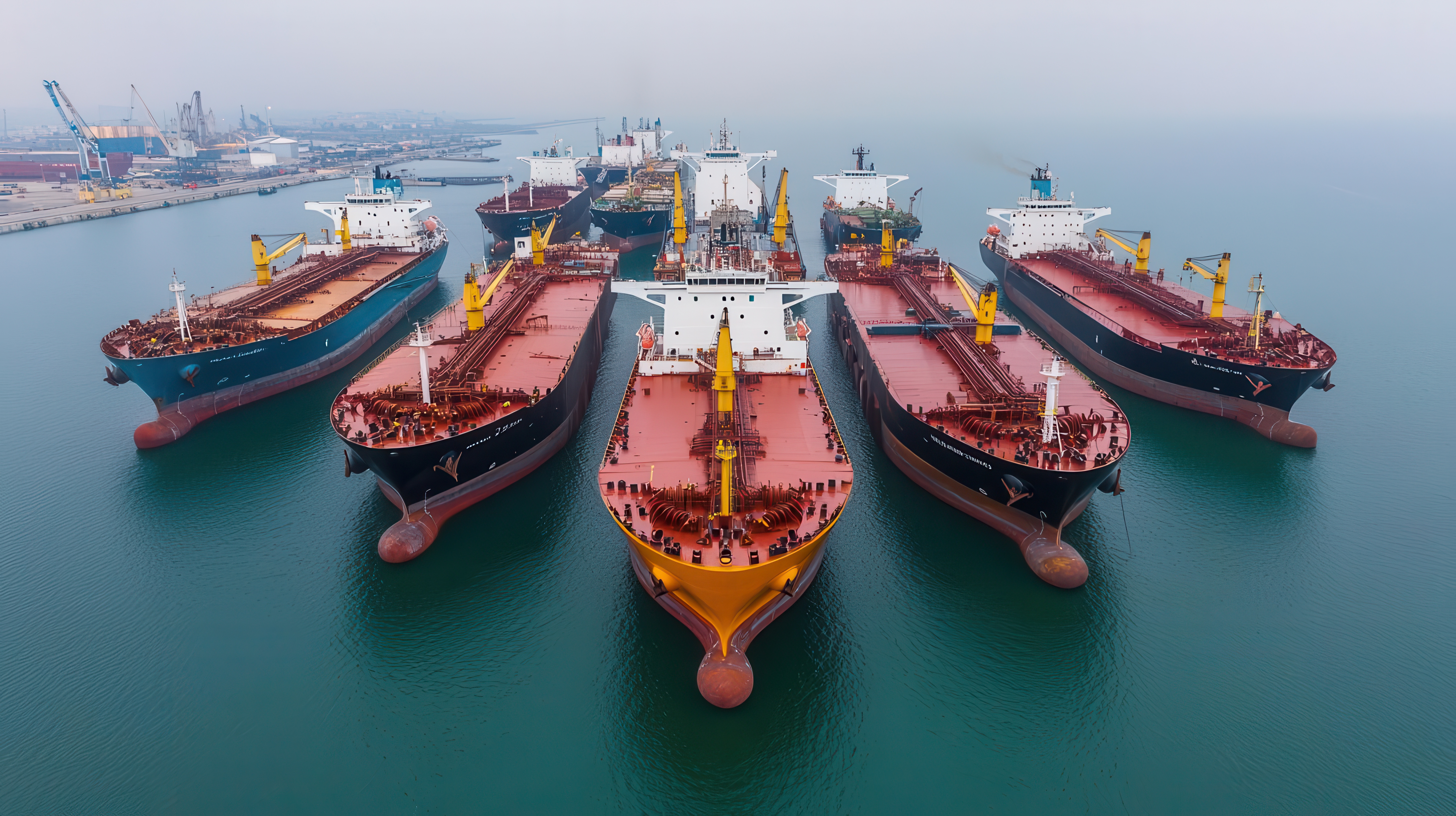
Experiencing delays with KMTC container tracking? You’re not alone. In 2025, numerous shippers have reported prolonged periods without status updates, particularly during transshipments or over weekends.
With global schedule reliability averaging around 55% and average vessel delays nearing 5.3 days, these tracking gaps can significantly disrupt supply chain operations and customer commitments.
This article delves into the common causes behind KMTC’s tracking delays and offers actionable strategies to enhance shipment visibility and responsiveness.
Common Causes of KMTC Tracking Delays
- Infrequent Data Refresh: KMTC’s tracking system may update statuses only a few times daily, leading to visibility gaps during critical shipment phases.
- Transshipment Challenges: Delays often occur when containers are transferred between vessels or ports, with status updates lagging until the next leg is confirmed.
- Container vs. B/L Tracking: Relying solely on container numbers might miss updates available at the Bill of Lading (B/L) level, especially during complex shipping routes.
- System Integration Delays: Third-party tracking platforms may experience latency due to synchronization issues with KMTC’s internal systems.
Strategies to Mitigate KMTC Tracking Issues
- Utilize B/L Tracking: Monitoring shipments using the Master B/L number can provide more comprehensive updates across different stages of the journey.
- Enable Notifications: Subscribe to available notification services to receive timely alerts on shipment status changes, reducing the need for manual checks.
- Leverage AIS Data: Use Automatic Identification System (AIS) tools to monitor vessel movements in real-time, offering supplementary insights during tracking delays.
- Integrate Advanced Tracking Platforms: Consider using platforms like TRADLINX for consolidated tracking, predictive analytics, and automated alerts to enhance operational efficiency.
Impact of Enhanced Visibility on KMTC Shipments
- Operational Efficiency: Reduces manual tracking efforts, allowing teams to focus on strategic tasks.
- Proactive Issue Resolution: Early detection of delays enables timely interventions, minimizing potential disruptions.
- Customer Satisfaction: Transparent and timely updates enhance trust and reliability with clients.
- Cost Savings: Improved planning and reduced demurrage or detention fees contribute to overall cost efficiency.
By understanding the root causes of tracking delays and implementing these strategies, shippers can navigate the challenges associated with KMTC’s tracking system and enhance their supply chain resilience.
When Built-In Tracking Isn’t Enough
KMTC’s tracking tools work well for basic updates—but for operations managing dozens of shipments, these tools often fall short. Here’s how visibility platforms are addressing the common tracking gaps.
| Tracking Issue | Operational Impact | How It’s Solved |
|---|---|---|
| Infrequent system refresh | Missed in-transit updates or schedule changes | Real-time carrier + AIS integration fills visibility gaps |
| Transshipment blind spots | Lost tracking during vessel changes | Multi-modal tracking persists through transshipment |
| No alerting | Teams unaware of delays or early arrivals | Automated notifications via email or Slack |
| Fragmented tracking | Switching between portals slows response time | Single dashboard shows B/L, container, vessel data |
| No easy way to update clients | Manual screenshots and follow-ups | Branded live tracking links reduce back-and-forth |
Shifting to centralized tracking improves speed, accuracy, and customer experience—especially when you’re juggling high-volume shipments or time-sensitive cargo.
Summary: Solving KMTC Tracking Issues in 2025
Struggling with KMTC tracking gaps? Here’s a recap of what you can do today:
| Problem | Why It Happens | Actionable Fix |
|---|---|---|
| Updates missing for hours | System refresh delays and weekend lags | Cross-check with AIS and use Master B/L tracking |
| Customers ask for updates repeatedly | No shareable tools or automated alerts | Send branded live links from a visibility platform |
| Managing 10+ shipments at once | Container-only tracking gets overwhelming | Use unified dashboards to reduce manual checks |
| Can’t spot patterns in delays | No analytics by lane, port, or shipment type | Enable route-level performance insights |
Real-time visibility helps teams move from reactive status checks to proactive shipment management—with less stress and better service.
Prefer email? Contact us directly at min.so@tradlinx.com (Americas), sondre.lyndon@tradlinx.com (Europe) or henry.jo@tradlinx.com (EMEA/Asia)



Leave a Reply