
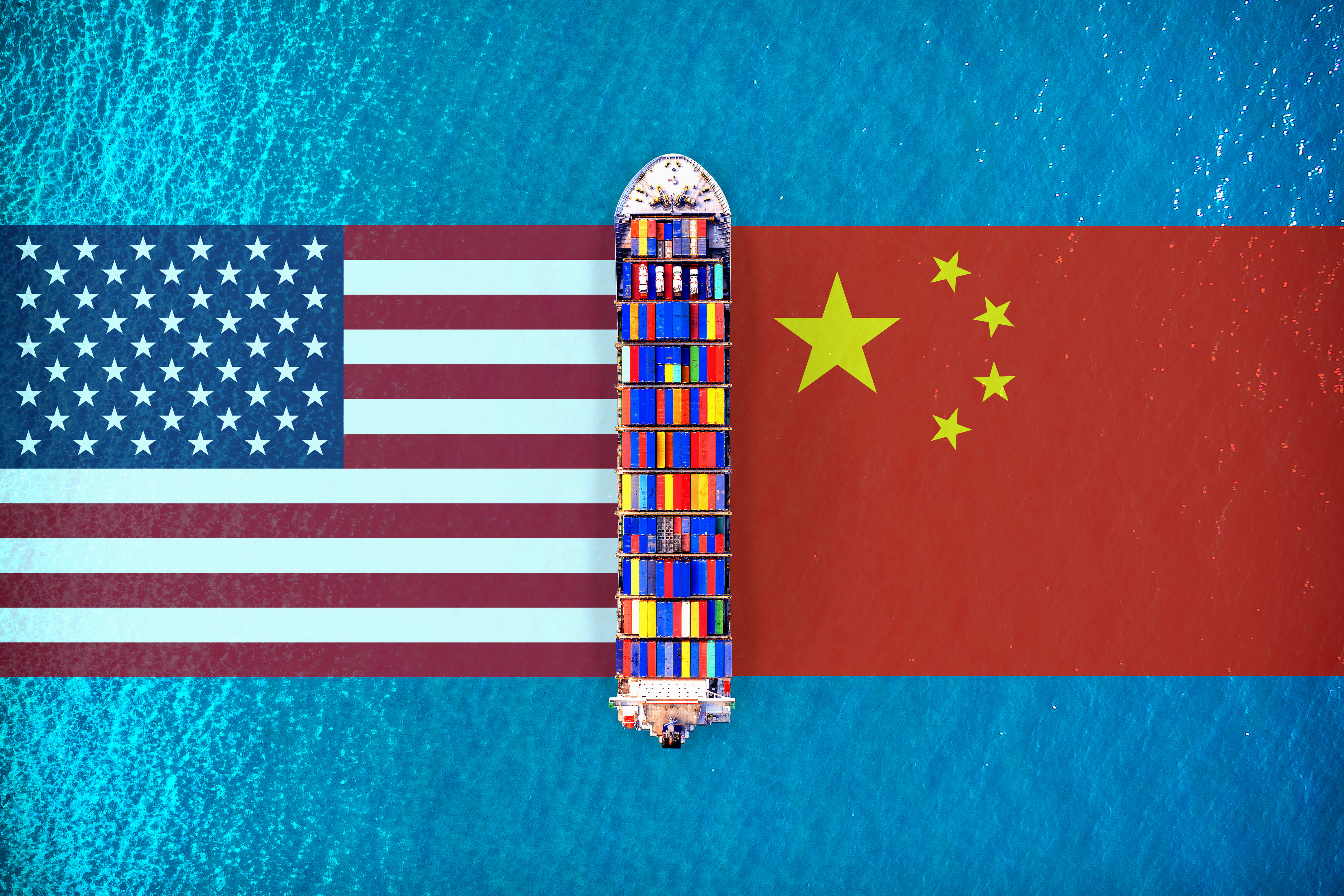
China’s August export mix is shifting away from the United States and toward ASEAN, the EU, and Africa. Shanghai set fresh monthly throughput records while Singapore remains a high-volume hub. At the same time, tight feeder capacity and uneven equipment pools are creating roll risk at secondary load ports. This post translates those signals into a practical plan for equipment, port-pair quoting, and hub dwell management.
What Changed
- Regional mix moved. August exports grew year over year in value, with shipments to the United States down sharply and exports to ASEAN and the EU up. China reported a monthly surplus a little above 100 billion USD.
- Throughput highs at key hubs. Shanghai crossed the 5 million TEU mark in a single month earlier this year and set a new monthly record again in August. PSA Singapore reported record annual throughput for 2024 and continues to handle heavy transshipment flows.
- Feeder and transshipment strain. Trade press reports point to congestion and missed feeder connections at Singapore, Port Klang, and other ASEAN hubs. Separate coverage highlights tight feeder capacity and transshipment backlogs across parts of Asia.
- Rates are mixed by lane. Global indices show transpacific spot stabilizing on GRIs while Asia–Europe has softened on surplus capacity. Local conditions vary by port pair and week.
Why It Matters For LSPs
- Equipment positioning is uneven. More ASEAN lift means more empties need to be in the right place. Sudden demand shifts raise the risk of local shortages at secondary load ports.
- Hub dwell is the swing factor. High mainline volumes make transshipment timing more variable. A missed feeder can add days even when linehaul is on schedule.
- Service mix needs diversification. Relying on a single terminal, feeder, or alliance increases rollover exposure when backlogs build.
Capacity And Equipment Playbook
1) Lock equipment earlier where it matters
- Pre advice windows. Require size split and pick up windows at least 72 hours ahead at secondary ASEAN origins. Publish the rule in your quotes so customers align their DC waves.
- SOC and lease options. Keep shipper owned containers or short term leases as a backup when carrier pools run thin. Quote the delta up front so trade offs are clear.
- Empty return logic. Confirm where empties must be returned before you accept a rate that looks attractive. Extra drays can erase savings quickly.
2) Quote port pairs and name the hub buffer
- Two port strategy. Offer two load options per origin, for example Cat Lai and Cai Mep, or Laem Chabang and Bangkok. Publish cutoffs and earliest return for both.
- Separate the buffer. Quote a transshipment dwell band for the named hub, for example Singapore or Port Klang. Keep the hub buffer separate from ocean time so customers see the driver of variability.
- Two terminal paths. Where possible, name two acceptable terminals at the hub so operations can switch paths without a re quote when one stack is congested.
3) Diversify strings and protect lift
- Multi string awards. Split awards across alliances and strings so one service change does not stall a lane.
- Rollover credits or priority. Ask carriers to include priority load language on core lanes, or a defined credit when a rollover occurs.
- Feeder guarantees. On lanes that always transship, ask for minimum connection times or explicit feeder backup language to reduce miss risk.
4) Use live signals to adjust allocations weekly
- Hub roll rate. Track actual rolls by service and terminal. Shift 10 to 20 percent of volume away from strings that breach your roll threshold two weeks in a row.
- Feeder on time. Monitor missed feeders and add 1 to 2 days to your hub buffer when misses rise. Remove the extra buffer when the metric improves for two consecutive weeks.
- Equipment hit rate. Measure how often booked size split is fulfilled on time at the origin depot. Move bookings toward depots and carriers with higher fulfillment.
Templates You Can Paste Into Quotes
Hub dwell disclosure
“Routing assumes transshipment via Singapore. Planning buffer for hub dwell is 24 to 72 hours, separate from ocean transit time. We will notify and re sequence deliveries when live dwell exceeds this band.”
Equipment condition
“Rate assumes carrier pool equipment. If confirmed size split is not available 72 hours before pickup, we will offer SOC or lease alternatives at the published surcharge and will seek written approval before substitution.”
Rollover handling
“In the event of a carrier caused rollover, we will rebook on the next available feeder or linehaul. If rollover exceeds one cycle, we will seek priority load or apply the agreed credit.”

Use TRADLINX Ocean Visibility to tag shipments that transship at Singapore or Port Klang. Turn on alerts for hub dwell, track empty release and return milestones, and compare roll rates by service string. Feed these live signals into your weekly allocation call so awards follow real performance, not static rate sheets.
Assumption Checks
- High throughput does not always equal congestion. Validate dwell and roll data weekly before adding large buffers that customers will challenge.
- Indices are directional. A stable global index can mask local feeder strain. Anchor tactical decisions to port pair and hub metrics, not only to headline spot rates.
- Equipment shortages are often local and temporary. Plan for short spikes, not a permanent shortage, and keep SOC or lease options as the pressure valve.
References
- Financial Times. China export growth slowed in August, U.S. down, ASEAN and EU up
- Reuters. August 2025 trade data and surplus details
- Maritime Executive. Shanghai monthly throughput topped 5 million TEU earlier in 2025
- Bunker Ports News. Shanghai set a new monthly record in August 2025
- PSA Singapore. Record annual throughput above 40 million TEU
- Journal of Commerce. Tight Asia feeder capacity and transshipment disruption
- Explorate. APAC freight update, congestion and missed feeders at ASEAN hubs
- S&P Global. Global port congestion analysis Q2 2025
- AJOT summarizing Drewry WCI. Transpacific up on GRIs, Asia–Europe softer
- Kuehne+Nagel summary quoting Sea-Intelligence. Empty repositioning and local shortage risks
Prefer email? Contact us directly at min.so@tradlinx.com (Americas), sondre.lyndon@tradlinx.com (Europe) or henry.jo@tradlinx.com (EMEA/Asia)



Leave a Reply