
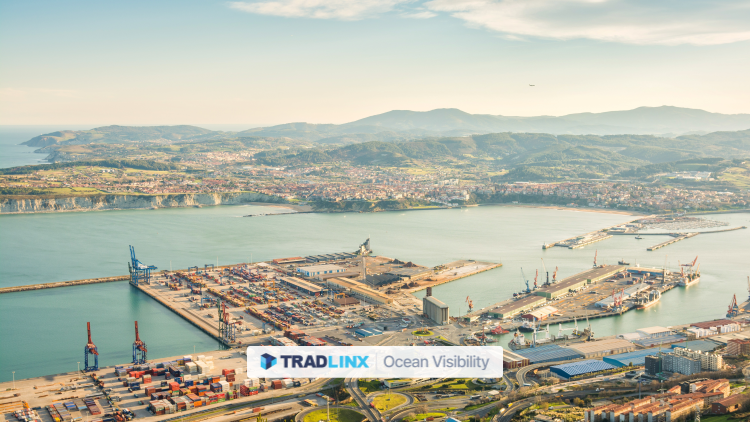
The Philippines, an archipelago of over 7,000 islands, relies heavily on its ports to connect its domestic economy and facilitate international trade. Philippine ports handle approximately 289.5 million tonnes of cargo annually, with 7.8 million TEUs of container throughput, making them critical to economic growth and regional connectivity. Major ports like the Port of Manila serve as vital hubs linking Southeast Asia to global markets.
Here’s an overview of the Philippines’ major ports ranked by cargo and container throughput:
1. Port of Manila: The Philippines’ Largest International Gateway

Key Features:
- Location: Luzon Island, Manila Bay
- Annual Throughput: Approximately 4.5 million TEUs (2024)
- Significance:
- The largest and busiest port in the Philippines, handling 70% of the country’s international trade.
- Comprises three main terminals: Manila International Container Terminal (MICT), South Harbor, and North Harbor.
- Key industries served: electronics exports, food imports, and consumer goods distribution.
- Recent Developments:
- Expansion of container terminals to increase capacity and reduce congestion.
- Implementation of automated systems for faster customs clearance and cargo tracking.
2. Port of Cebu: Logistics Hub for Central and Southern Philippines

Key Features:
- Location: Cebu Island, Mactan Channel
- Annual Throughput: Approximately 820,000 TEUs (2024) | Cargo Volume: ~31 million tonnes
- Significance:
- The largest domestic port in the Philippines and a key hub for international trade in the Visayas region.
- Handles a mix of RoRo (Roll-on/Roll-off) cargo, bulk goods, and passenger ferries.
- Supports industries such as agriculture, manufacturing, and tourism.
- Recent Developments:
- Construction of a new international container terminal to boost capacity.
- Expansion of cruise terminal facilities to accommodate larger vessels.
3. Subic Bay Freeport Zone: Free Trade Hub

Key Features:
- Location: Luzon Island, Subic Bay
- Annual Throughput: Approximately 600,000 TEUs (2024)
- Significance:
- A major port in northern Luzon integrated with the Subic Bay Freeport Zone, serving as an industrial and logistics hub.
- Handles containerized cargo, bulk goods, and military logistics due to its strategic location near the Pacific Ocean.
- Key industries served: electronics manufacturing, automotive exports, and logistics services.
- Recent Developments:
- Expansion of bulk cargo facilities to meet growing industrial demand.
- Implementation of digital platforms for efficient port operations.
4. Batangas Port: Energy and Automotive Export Center

Key Features:
- Location: Southern Luzon Island, Batangas Bay
- Annual Throughput: Approximately 450,000 TEUs (2024)
- Significance:
- Specializes in petroleum products and automotive exports; serves as a key industrial port for southern Luzon.
- Equipped with RoRo terminals for inter-island transport and bulk handling facilities for energy products.
- Plays a critical role in supporting the country’s energy supply chain alongside Manila Port.
- Recent Developments:
- Expansion of RoRo facilities to enhance inter-island connectivity.
- Upgrades to bulk liquid storage capacity for petroleum products.
Economic Impact
Philippine ports are vital contributors to the national economy:
- Handle over 289 million tonnes of cargo annually across all major ports (2024).
- Facilitate trade worth over $150 billion annually by connecting Southeast Asia with global markets.
- Support over 500,000 jobs, directly or indirectly through port operations and logistics services.
Future Outlook
- Capacity Expansion Projects: Ports like Manila and Cebu are undergoing significant expansions to handle growing trade volumes.
- Digitalization & Automation: Implementation of AI-based systems for real-time tracking and optimized cargo handling across major terminals.
- Green Shipping Initiatives: Ports like Subic Bay are adopting renewable energy solutions such as solar-powered cranes to reduce carbon emissions.
- Inter-Island Connectivity Enhancement: Investments in RoRo terminals at Batangas Port aim to improve domestic logistics efficiency.
- Strategic Partnerships & Investments: Collaboration with global shipping lines like Maersk and CMA CGM ensures continued growth in container throughput.
The Philippines’ ports are more than just trade gateways—they are engines driving innovation, connectivity, and economic resilience across Southeast Asia and beyond. From Manila’s international dominance to Cebu’s regional importance, each port plays a unique role in keeping the Philippines at the forefront of global commerce while addressing future challenges with cutting-edge solutions.




Leave a Reply