
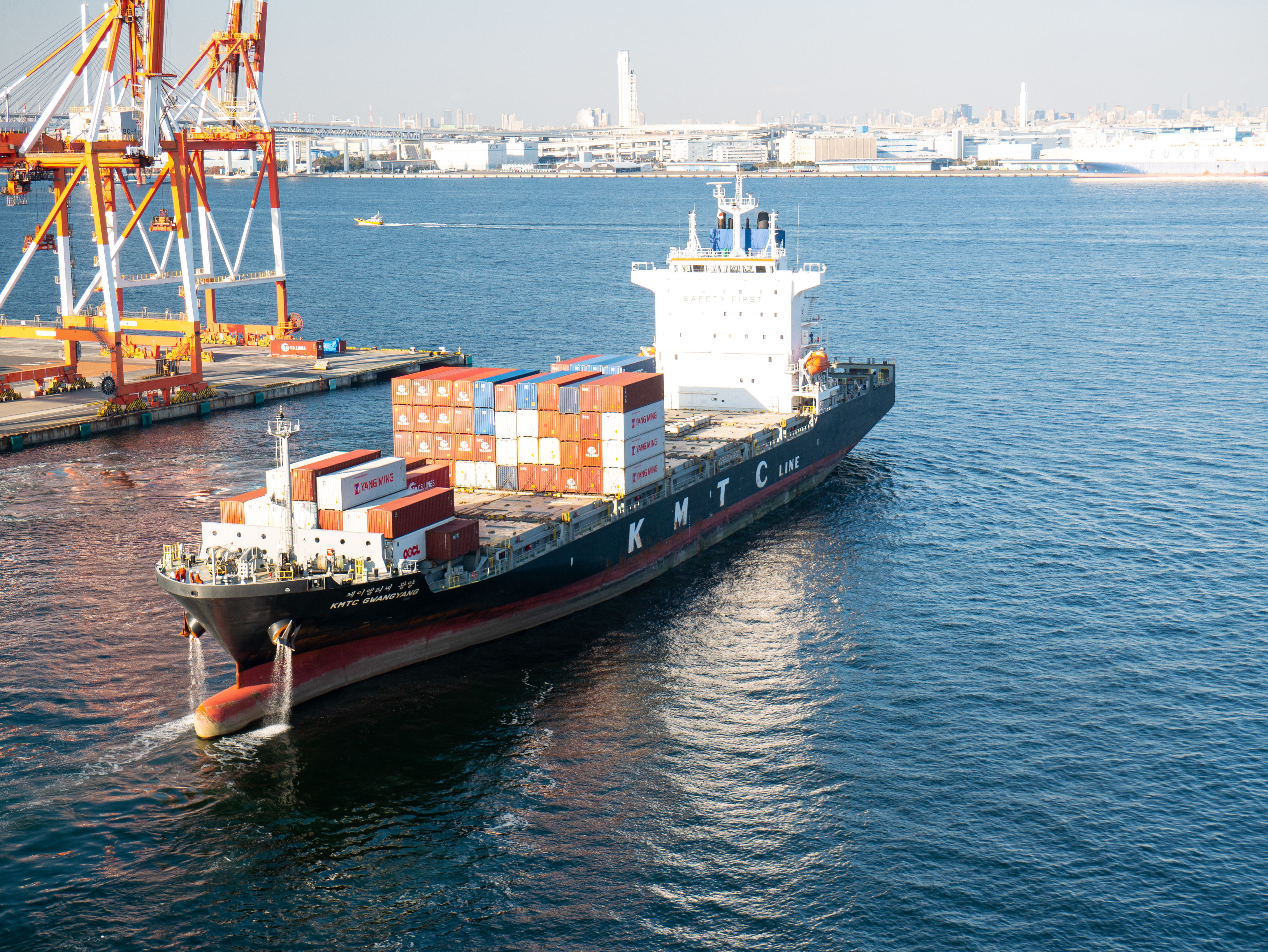
No movement. No alert. And nothing new on your tracking portal for 36 hours. If you’re shipping with PIL (Pacific International Lines), you’ve likely experienced these tracking blackouts—especially during transshipments or over weekends.
With global schedule reliability stuck between 50–55% and average delays still hovering around 5.3 days as of early 2025, these update gaps are more than a nuisance—they’re an operational risk for teams managing dozens of shipments.
This post breaks down the most common reasons behind PIL’s tracking issues and offers actionable, carrier-specific strategies to improve visibility and speed up your response time.
Why PIL Tracking Delays Happen
Tracking issues often stem from how carrier systems are structured—not necessarily from technical errors. Here’s where most delays and data blind spots occur with PIL:
- Low refresh frequency: PIL’s tracking may only update 2–3 times daily, delaying visibility into key shipment events.
- Port rollover ambiguity: If a container is rolled or delayed at transshipment hubs, it may go unreported until the next leg is confirmed.
- Container-only focus: Many users rely on container tracking, which can miss updates captured under the Master B/L.
- System latency: Even connected platforms may experience lag from PIL’s own update schedule or API throttling.
When you’re managing high-volume shipments or customer-facing logistics, these delays can have a ripple effect on planning, response, and communication.
Immediate Workarounds for PIL Tracking Gaps
- Switch to Master B/L tracking: You’ll often see more event-level data across vessels and transshipment points.
- Enable notifications (if available): While limited, email alerts can help avoid constantly checking the portal.
- Cross-check vessel movement with AIS: Use your visibility platform or tools like TRADLINX to confirm vessel progress and next port ETA.
These approaches help—but they still leave logistics teams chasing updates. For more automation and responsiveness, a more unified tracking system is often needed.
Why Real-Time Visibility Matters (By the Numbers)
- 69% of logistics professionals say delayed updates are their #1 operations pain point. (Freightos, 2024)
- 5+ hours/week are lost manually checking for status changes. (Gartner SCM Pulse, 2023)
- 32% drop in customer complaints and 3.5x faster response times with real-time tracking tools. (project44, 2024)
- 12–18% in logistics cost savings with automated alerting and visibility systems. (McKinsey, 2023)
Visibility delays aren’t just frustrating—they create real cost, coordination, and customer satisfaction risks.
When Built-In Tracking Isn’t Enough
PIL’s tracking portal works for simple status checks, but it often breaks down at scale—especially when dealing with high-volume shipments or tight delivery windows. Here’s how teams are filling the gaps with integrated visibility platforms.
| Tracking Issue | Operational Impact | How It’s Solved |
|---|---|---|
| Slow or infrequent updates | Blind spots during transshipments or weekends | Combine PIL’s data with AIS signals for near real-time visibility |
| No alerting system | Missed changes like rollovers or early arrivals | Automated email or Slack alerts for key events |
| Too many systems | Manual checks across container, B/L, and vessel tools | Centralized dashboard for all shipment tracking |
| Customer status requests | Frequent updates via email or Excel | Live tracking links or embedded widgets |
| No analytics history | Hard to identify recurring delay patterns | Shipment-level performance analytics by route or carrier |
This level of tracking isn’t just about speed—it’s about reducing manual work, avoiding surprises, and staying ahead of customer needs.
How Logistics Teams Are Closing the Gaps
Forwarders, shippers, and 3PLs handling 10, 50, or 100+ shipments a week are increasingly moving to systems like TRADLINX Ocean Visibility to reduce update gaps, streamline communication, and improve planning accuracy.
- Multi-layer tracking: Monitor B/L, container, and vessel in one view
- Predictive ETAs: Get alerts based on port congestion and carrier behavior
- Automated updates: Share branded tracking pages and real-time alerts with customers
- Ready to scale: Handle large shipment volumes without switching platforms
It’s not just about better tracking—it’s about stronger logistics coordination across your team, partners, and clients.
Summary: What to Do When PIL Tracking Isn’t Enough
If you’re frequently dealing with tracking gaps or slow updates from PIL, here’s a quick guide based on common issues and how teams are solving them today:
| Problem | Cause | Recommended Fix |
|---|---|---|
| Status delays mid-transit | 2–3x/day data refresh + transshipment gaps | Use real-time tools that combine PIL and AIS data |
| Manual tracking is slow | No consolidated dashboard or alerts | Switch to a unified platform with automation |
| Clients ask for constant updates | No sharing tools in the PIL portal | Create live tracking pages with automated updates |
| Recurring disruptions or rollovers | Limited data for root cause analysis | Use tools that provide historical tracking and delay patterns |
Tracking smarter means fewer surprises, faster reaction time, and more confidence in every shipment.
Prefer email? Contact us directly at min.so@tradlinx.com (Americas), sondre.lyndon@tradlinx.com (Europe) or henry.jo@tradlinx.com (EMEA/Asia)




Leave a Reply