

The Hub and Spoke model has emerged as a cornerstone strategy across various industries, heralding a new era of operational efficiency and flexibility. Originally cultivated in logistics and transportation for streamlining goods and information flow, its principles offer a potent recipe for enhancing business operations and elevating customer service quality. Companies keen on innovation can leverage the model’s strengths and mitigate its weaknesses to sharpen their competitive edge.

The Strategic Advantage of Hub and Spoke
Central to the Hub and Spoke system is the optimization of delivery routes through a central hub, which facilitates the concentrated transport and distribution of goods to multiple destinations or spokes. This structure not only slashes transportation costs and delivery times but also introduces unparalleled efficiency by sorting goods before their final dispatch to spokes. The flexibility of this model allows for the smooth addition or adjustment of spokes, enabling businesses to respond nimbly to network changes.
Addressing the Challenges
However, like any strategic model, the Hub and Spoke has its challenges. Over-dependence on a central hub can lead to network paralysis if issues arise, potentially causing delivery delays and information flow disruptions. The model can also introduce complexities in expanding the network due to its centralized nature, sometimes leading to congestion and delays at the hub during peak times.
Innovative Solutions for Modern Business
Addressing these drawbacks is crucial for maintaining network efficiency and stability. Strategies such as developing decentralized hubs to distribute risk, designing networks with expansion and flexibility in mind, employing advanced logistics and transportation management systems for optimization, and adopting flexible operational strategies to avoid peak time congestions can greatly enhance the model’s effectiveness.
Real-World Success Stories
The Hub and Spoke model’s success is evident in its adoption by leading companies across various sectors:
- UPS harnesses it for global package delivery, utilizing the Worldport in Louisville, USA, as a central hub to manage an international shipping network.
- Delta Airlines boosts its aviation network efficiency by operating key city hubs, facilitating widespread domestic and international routes.
- Walmart applies the model to retail, optimizing inventory management and enabling faster product deliveries to stores.
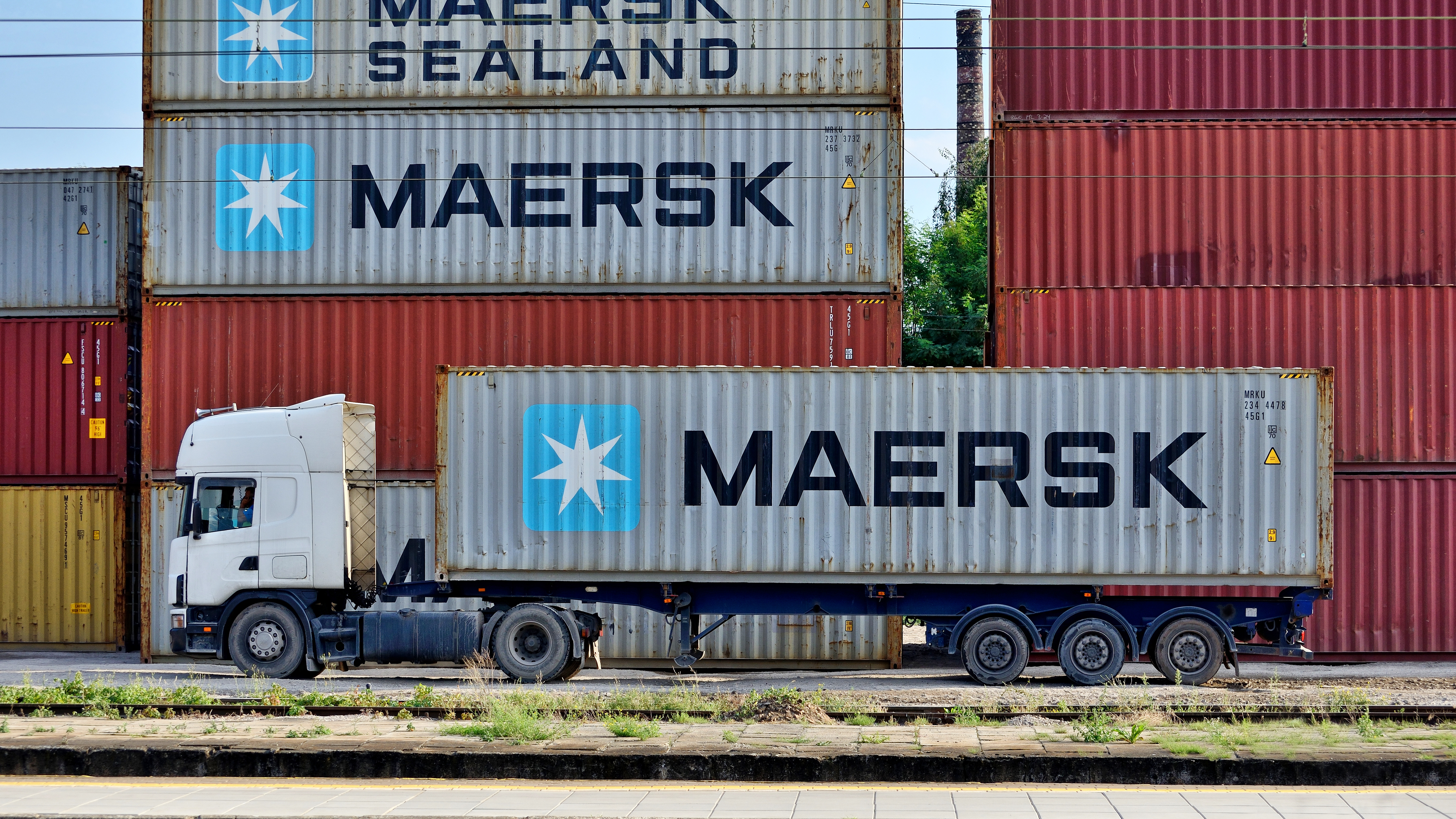
- Maersk Line employs it in maritime shipping, utilizing major ports as hubs to streamline container transport.

Beyond Logistics: A Versatile Framework
Beyond logistics, the model’s principles find resonance in IT and data networks, aviation, healthcare, education, and financial services, underscoring its versatility and potential for broad-based application. Its ability to adapt to diverse industry needs while improving efficiency and cost-effectiveness makes the Hub and Spoke model a pivotal strategy for businesses aiming to innovate and enhance their operational models.

A Call to Action: Transform Your Operations
Explore how adopting the Hub and Spoke model can transform your business operations, enhance customer service quality, and provide you with a competitive advantage in a rapidly evolving marketplace.
TRADLINX Ocean Visibility revolutionizes supply chain operations with its Ocean Visibility features, offering real-time shipment tracking, predictive analytics for lead times, and seamless management tools for freight forwarders and shippers worldwide.




Leave a Reply