
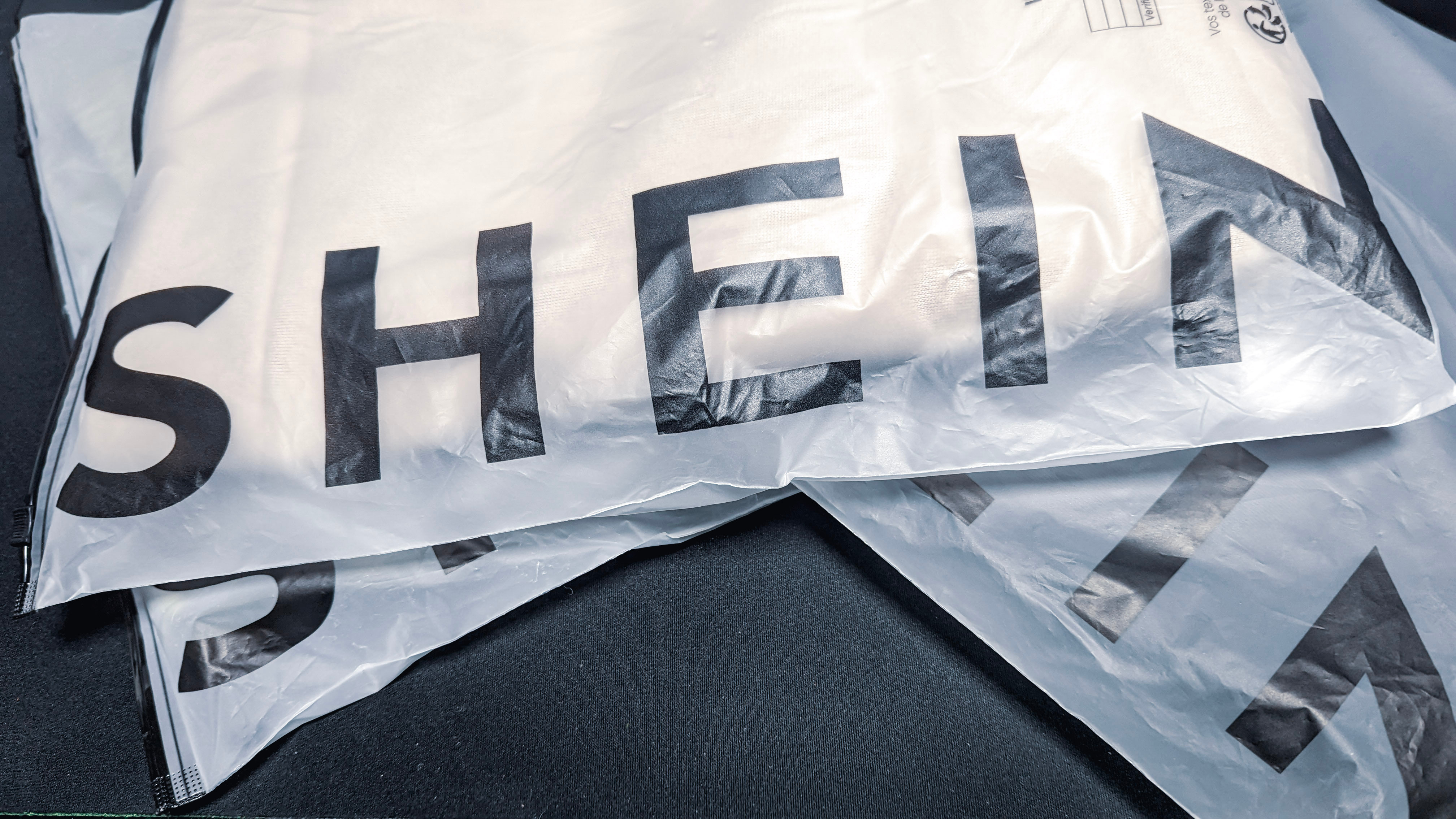
Why Shein’s Supply Chain Is Under Scrutiny in 2025
In 2025, Shein’s supply chain is under pressure from major changes to U.S. trade policy. With new tariffs targeting low-cost Chinese imports, Shein’s business model—which depends on high-frequency, low-value shipments—faces significant disruption. The elimination of the “de minimis” loophole has added urgency to Shein’s supply chain restructuring efforts.
As a global leader in fast fashion, Shein is now racing to diversify production and build resilience into its logistics network. This post explores how Shein is responding to tariff pressure—and what supply chain professionals can learn from its strategic pivots.
Shein’s Strategic Response to Tariff Changes
- Vietnam Manufacturing Push: To avoid U.S. tariffs, Shein is incentivizing its Chinese suppliers to shift production to Vietnam. The company has offered up to 30% higher procurement prices and larger orders to suppliers willing to relocate operations. Source
- Logistics Investment: Shein is investing in faster, more reliable global shipping processes to maintain customer expectations and absorb delays from new trade compliance requirements. Source
- Market Diversification: The company is expanding into new markets beyond the U.S. to reduce dependency on a single trade corridor and tap into faster-growing economies.
Together, these moves aim to preserve Shein’s high-volume, low-margin model in a more regulated trade environment.
Challenges Shein Faces in Supply Chain Restructuring
- Transition Disruptions: Moving production facilities comes with short-term complexity, from customs compliance to supplier onboarding.
- Geopolitical Risk: While Vietnam offers tariff advantages, it brings its own trade and labor considerations.
- Sustainability Scrutiny: Shein already faces criticism over its environmental impact. Scaling rapidly in new markets may amplify those concerns if not managed transparently.
Shein’s long-term success may depend on how well it navigates this balance between agility, ethics, and compliance.
Key Takeaways for Logistics and Supply Chain Professionals
- Tariff Exposure Can Shift Fast: Brands reliant on de minimis exemptions or preferential trade terms need built-in flexibility.
- Supplier Incentives Matter: Offering better pricing or guaranteed volume can be a powerful lever when shifting production geographies.
- Global Diversification Reduces Risk: Expanding beyond single-market dependency is essential in a volatile trade environment.
Shein’s Supply Chain in 2025: The Tariff Response
Why is Shein moving production to Vietnam?
To avoid new U.S. tariffs targeting Chinese imports, Shein is shifting production to Vietnam. The country offers competitive labor and favorable trade status with the U.S.
How are 2025 U.S. tariff changes affecting Shein?
The end of the de minimis loophole means Shein must now pay duties on many low-value shipments that were previously exempt, increasing shipping and customs costs. Source
Is Shein raising prices due to tariffs?
Shein is exploring ways to avoid price hikes by optimizing logistics and relocating production, but rising input and shipping costs could eventually impact pricing for U.S. consumers.
How is Shein improving its logistics strategy?
The company is investing in more efficient shipping routes and faster customs processing to maintain delivery speed despite regulatory delays.
What can supply chain leaders learn from Shein’s response?
Rapid geopolitical change demands flexible supplier networks, diversified manufacturing, and proactive scenario planning—especially for fast-moving retail models.
Why overpay for visibility? TRADLINX saves you 40% with transparent per–Master B/L pricing. Get 99% accuracy, 12 updates daily, and 80% ETA accuracy improvements, trusted by 83,000+ logistics teams and global leaders like Samsung and LG Chem.


Prefer email? Contact us directly at min.so@tradlinx.com (Americas) or henry.jo@tradlinx.com (EMEA/Asia)


Leave a Reply