

Freight forwarders are the linchpins of global commerce, ensuring goods move seamlessly from origin to destination. Freight forwarding and logistics services encompass a wide range of activities, including the carriage, consolidation, storage, handling, packing, and distribution of goods. Forwarders also provide essential ancillary services, such as customs and fiscal matters, insurance procurement, and total supply chain management.
And in the current climate of trade wars, geopolitical tensions, and global uncertainties, the role of freight forwarders has become more critical than ever.
Why Freight Forwarders Are Essential Now
- Expertise in Logistics and Regulations: Freight forwarders navigate the intricate world of international shipping, customs regulations, and documentation requirements. Their multifaceted expertise ensures smooth cross-border shipments and strict compliance with global trade laws, helping businesses avoid costly delays and penalties. With frequent changes in trade policies, forwarders ensure compliance with the latest regulations, helping businesses avoid penalties and navigate complex procedures.
- Cost Savings: By leveraging high shipping volumes and strategic consolidations, forwarders negotiate favorable rates with carriers. This results in cost savings for their clients, making international trade more economical. Amidst fluctuating transportation costs due to geopolitical tensions, forwarders can negotiate better rates with carriers and consolidate shipments to manage costs effectively.
- Time and Stress Reduction: Managing international shipments can be complex and stressful. Freight forwarders handle every aspect of the shipping process, saving time and alleviating the stress associated with logistics management for their customers. They also provide cargo insurance and manage shipping risks, offering peace of mind in an unpredictable global trade environment.
- Flexibility and Comprehensive Services: Forwarders provide a wide array of services, from warehousing to customs clearance and freight consolidation. They offer these services without long-term contracts, providing businesses with the flexibility to adapt to changing market conditions.
- Problem-Solving Skills and Network Relationships: Forwarders excel at managing emergencies and unexpected issues that arise during shipments. They adapt to changing trade dynamics by finding alternative shipping routes and renegotiating contracts to avoid additional costs and delays. Their established relationships with carriers and extensive international networks ensure efficient and timely solutions to logistical challenges.
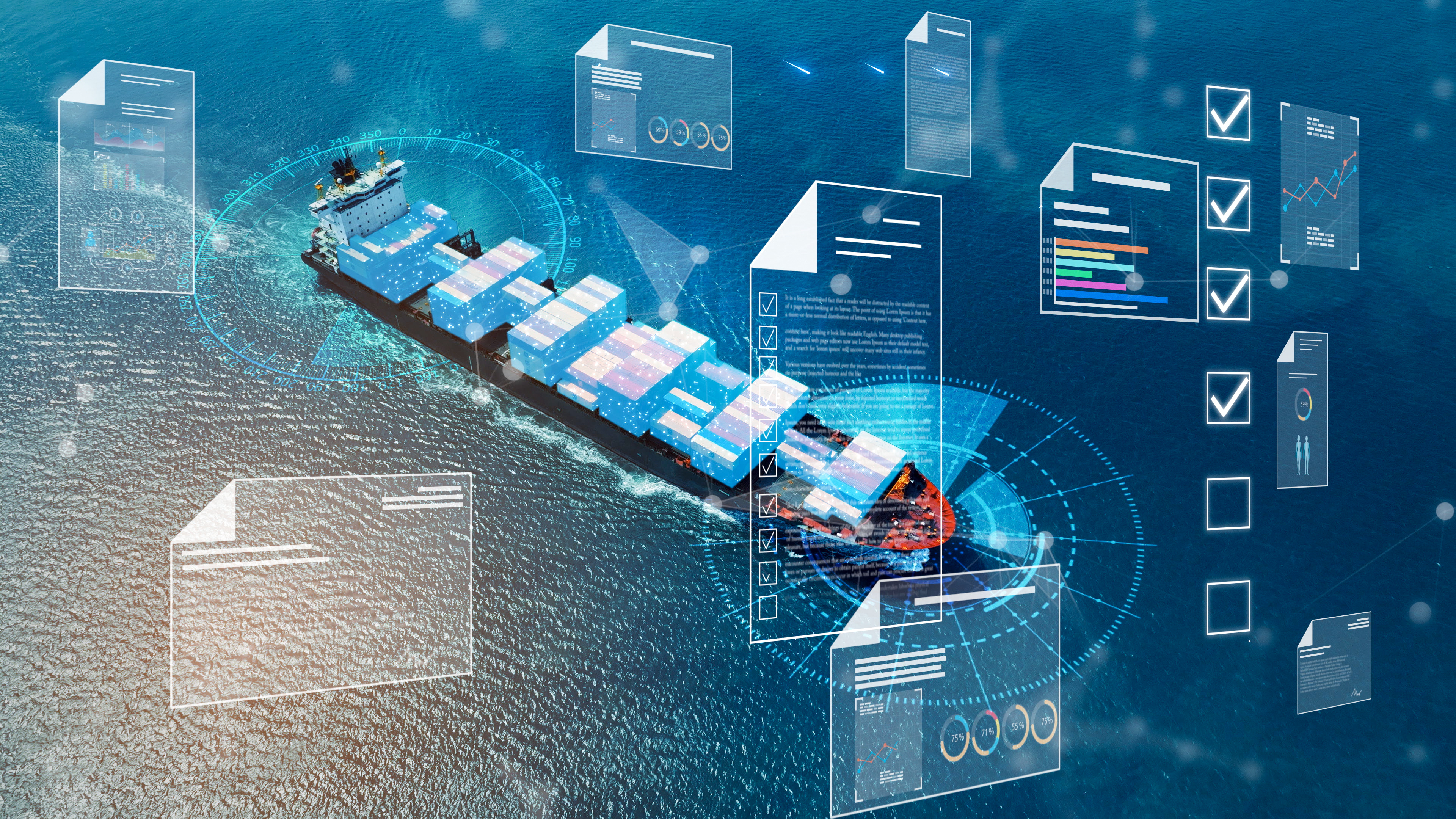
- Technology-Driven Solutions: Forwarders are investing in cutting-edge technology such as predictive analytics and supply chain visibility platforms. These tools help them optimize routing decisions and mitigate risks associated with geopolitical uncertainties, enhancing the efficiency and reliability of global supply chains.
- Collaboration and Advocacy: Forwarders partner with shippers, carriers, and trade associations to advocate for free and fair trade policies. By pooling resources and sharing best practices, they collectively address the challenges posed by trade wars and work towards building resilient supply chains.
By leveraging their expertise, advanced technology, and strong industry relationships, freight forwarders play a crucial role in maintaining the stability and efficiency of global trade. Their ability to navigate complex logistical challenges, manage costs, and ensure compliance with regulations makes them indispensable partners in an increasingly volatile world.

Challenges Faced by Freight Forwarders
Despite their critical role in global trade, freight forwarders face numerous challenges in today’s business environment. Recognizing and addressing these obstacles is essential for forwarders to continue thriving in their profession. Here are some of the key challenges:
- Economic Uncertainty and Rising Costs: With global economic instability, inflation, and rising fuel costs, operational expenses are soaring. Forwarders must constantly adapt to fluctuating costs and find ways to maintain profitability. This challenge is exacerbated by the need to provide competitive pricing while ensuring high service quality.
- Increasing Competition: The logistics industry has seen an influx of digital-first freight forwarders and new market entrants, increasing competition. Traditional forwarders need to find ways to differentiate themselves and offer unique value propositions to attract and retain clients.
- Changing Regulations and Compliance: Constantly evolving international trade laws and customs regulations pose significant challenges. Staying updated with these changes and ensuring compliance is critical to avoid penalties and delays. The complexity of these regulations can vary greatly from one region to another, adding to the challenge.
- Labor Shortages: The logistics industry is grappling with significant shortages in drivers and other logistics roles. This labor shortage impacts the ability to meet demand, maintain service levels, and manage operational efficiency. Forwarders must find ways to operate efficiently and maintain productivity despite these workforce challenges.
- Customer Expectations: Clients demand faster shipping, lower costs, and more transparency in the shipping process. Meeting these expectations requires forwarders to continuously improve their services, leveraging technology to enhance communication, and provide reliable tracking and updates.
- Supply Chain Visibility: Managing complex global supply chains and responding to disruptions can be challenging. Forwarders need comprehensive visibility into their supply chains to anticipate and address potential issues, ensuring timely and efficient delivery of goods.
- Documentation and Paperwork: Traditional freight forwarding involves extensive manual paperwork, which is time-consuming and prone to errors. This can lead to delays, compliance issues, and increased operational costs. Streamlining these processes is essential for efficiency.
- Capacity Management: Container shortages and fluctuating demand complicate capacity management. Forwarders must balance the need to secure enough capacity for their clients while avoiding underutilization and overcapacity, which can be costly.
Pioneering Resilience in Global Trade
While technology has significantly enhanced the efficiency and capabilities of freight forwarding, the human element remains irreplaceable. Forwarders combine technological tools with their expertise, problem-solving skills, and personal relationships to offer comprehensive and adaptable logistics solutions that automated systems alone cannot replicate.
Tools like TRADLINX Ocean Visibility empower forwarders to focus on their unique value propositions—leveraging their human oversight, differentiation, and value-added services—while technology handles the heavy lifting of data management and real-time tracking. This synergy between human expertise and technological innovation ensures that forwarders can navigate the complexities of modern trade, mitigate risks, and deliver exceptional service to their clients.
As the global trade landscape continues to evolve, forwarders who embrace these advancements will not only survive but thrive, setting new standards for efficiency, reliability, and customer satisfaction in the logistics industry.



Leave a Reply