
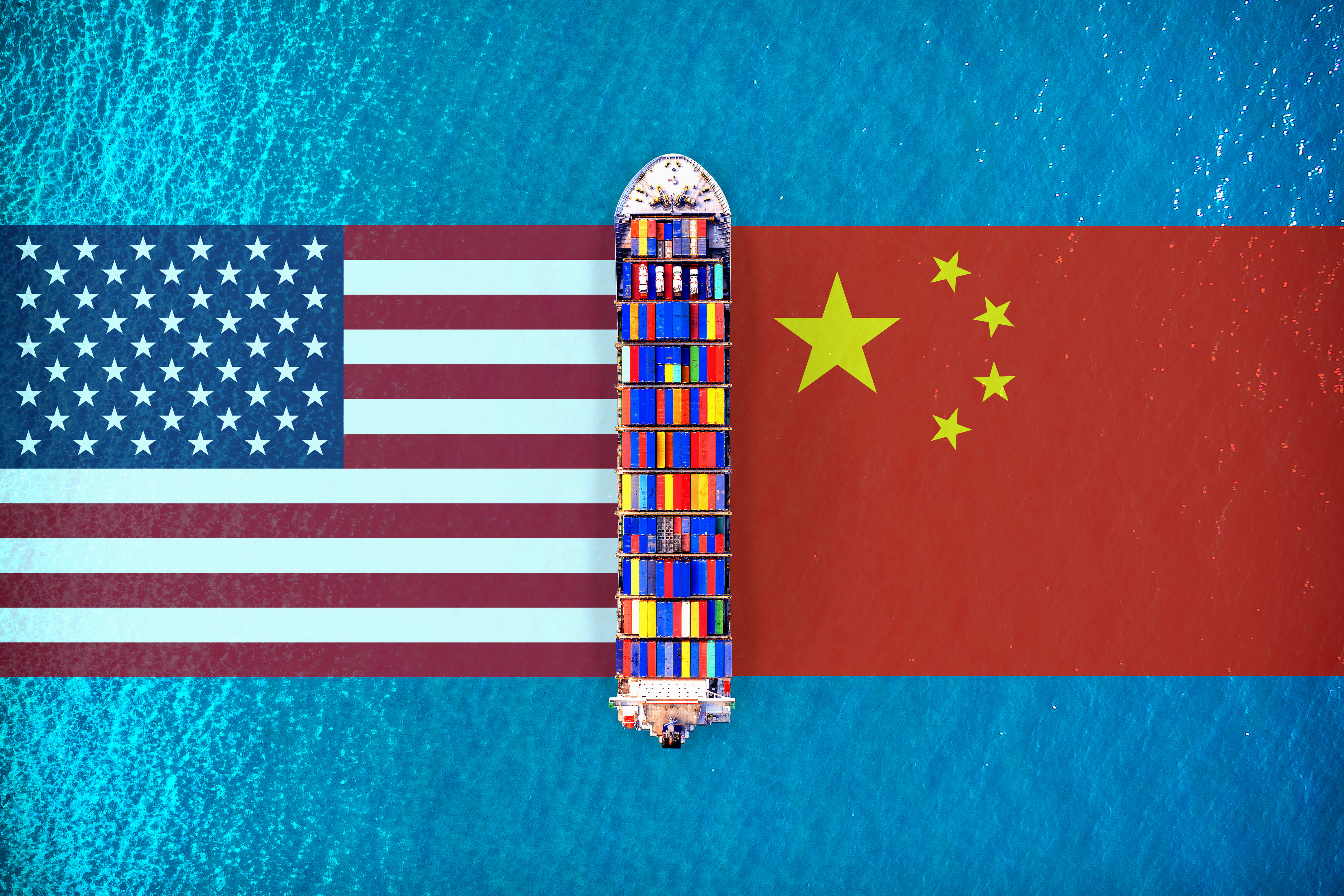
The U.S. Trade Representative (USTR) has announced a groundbreaking proposal that could send shockwaves through global shipping. The plan seeks to impose massive fees on Chinese-operated and Chinese-built vessels, a move aimed at reshaping trade dynamics but also introducing new costs and complexities into supply chains.
Under the proposed measures, shipping companies operating or utilizing Chinese-built vessels would face:
- Up to $1.5 million per port call for vessels built in China.
- Up to $1 million per port call for vessels operated by Chinese companies.
- Fleet-wide penalties of up to $1 million per port call for shipping companies with more than 50% of their order book linked to Chinese shipyards.
These measures, combined with new restrictions on Chinese investment in U.S. port infrastructure, mark a significant escalation in U.S.-China trade tensions. While policymakers argue that the fees will reduce reliance on Chinese maritime dominance, industry experts warn of higher freight costs, supply chain disruptions, and shifting trade routes.
Why does this matter? The U.S. relies on global shipping for 90% of its imported goods, and about 17% of container vessels calling at U.S. ports are Chinese-built. With such a large portion of global trade at stake, shippers and logistics service providers (LSPs) must prepare for the potential fallout.
Understanding the USTR Proposal: Key Measures & Policy Context
Breakdown of the Proposed Fees and Penalties
The USTR’s proposal introduces a multi-tiered system of penalties targeting Chinese shipping dominance:
| Category | Fee/Penalty | Who is Affected? |
|---|---|---|
| Chinese-built vessels | Up to $1.5 million per U.S. port call | Any carrier operating ships built in China |
| Chinese-operated vessels | Up to $1 million per U.S. port call | Companies like COSCO, OOCL |
| Fleets with >50% Chinese-built orders | Up to $1 million per port call | Even non-Chinese operators with high Chinese-built fleet share |
| Mandate on U.S.-flagged vessels | 1% of U.S. exports in Year 1, rising to 15% by Year 7 | U.S. exporters and carriers |
The “America First” Policy & Strategic Rationale
The proposal aligns with the Trump administration’s “America First Investment Policy”, which seeks to strengthen U.S. control over critical infrastructure, including ports and supply chains. The core objectives of these measures include:
- Reducing dependence on China’s maritime industry: China controls over 70% of the global shipbuilding market, making the U.S. reliant on Chinese-built vessels.
- Protecting U.S. national security: The proposal bans Chinese companies from investing in U.S. port terminals and logistics infrastructure.
- Revitalizing U.S. shipbuilding: The requirement for U.S. exports to gradually shift to U.S.-built and U.S.-flagged vessels is intended to support domestic shipyards.
Public Comment & Next Steps
The USTR has opened a public comment period until March 24, 2025, with a public hearing scheduled on the same day. Industry groups, foreign governments, and logistics service providers are expected to voice strong opinions—either supporting the push for self-reliance or warning of economic consequences.
While the final decision rests with President Trump, analysts predict that at least some version of the proposal will move forward, given bipartisan concerns over China’s growing influence in global shipping.
Immediate Impact on Freight Costs & Trade Routes
How Will These Fees Impact Freight Costs?
With potential fees of up to $1.5 million per port call, the shipping industry is bracing for cost hikes that could ripple across the entire supply chain. Experts predict:
- Freight rate increases of 15–25% on key transpacific lanes, as carriers pass on costs to importers and exporters.
- Inland transportation costs could rise as importers seek alternative routing via Canadian or Mexican ports.
- Containerized goods from China, which represent 40% of all U.S. imports, will likely see higher landed costs.
Given that 17% of container vessels calling U.S. ports are Chinese-built, there are limited immediate alternatives, meaning importers will bear the brunt of these new charges.
Rerouting: Will Shipping Companies Avoid U.S. Ports?
To avoid excessive fees, shipping companies may look at alternative ports, particularly in North America. Potential shifts include:
| Alternative Port | Strategic Advantage | Potential Challenges |
|---|---|---|
| Vancouver & Prince Rupert (Canada) | Already a key transpacific gateway; well-connected rail links to U.S. Midwest. | Limited port capacity; could create congestion. |
| Manzanillo & Lazaro Cardenas (Mexico) | Growing role in Asian imports; increasing investments in intermodal infrastructure. | Longer inland transit times to major U.S. markets. |
While alternative routes are available, the sheer volume of U.S.-China trade—over $500 billion annually—means that logistical disruptions could be significant.
Industry Response: What Are LSPs and Carriers Doing?
Shipping Alliances’ Strategic Adjustments
With the U.S. proposal targeting Chinese-built and Chinese-operated vessels, global shipping alliances must adapt. Here’s how major players are reacting:
- Ocean Alliance (COSCO, CMA CGM, OOCL, Evergreen): Heavily affected due to COSCO and OOCL’s direct ties to China. Considering redeploying non-Chinese-built vessels to U.S. routes.
- Gemini Cooperation (Maersk, Hapag-Lloyd): Less reliant on Chinese-built vessels. Positioned to gain market share as shippers seek alternatives.
- MSC (Independent): As the world’s largest carrier, MSC operates many Chinese-built vessels. Analysts suggest the company may accelerate its diversification toward South Korean and Japanese shipbuilders.
What LSPs Need to Do Now
Logistics service providers (LSPs) play a critical role in mitigating risks from this proposal. Key actions include:
- Assess Supply Chain Exposure: Identify which current shipping contracts rely on Chinese-built or operated vessels.
- Engage Carriers for Pricing Strategies: Ensure transparency on potential rate increases and renegotiate contracts where possible.
- Evaluate Alternative Routing: Consider Canadian or Mexican transshipment hubs and intermodal solutions.
- Monitor Regulatory Developments: Participate in industry discussions and track USTR’s final decision post-March 24, 2025.
While uncertainty remains, the industry consensus is clear: shippers and LSPs must proactively adapt to avoid severe cost increases and service disruptions.

Long-Term Implications: Shifting Trade Policies & Supply Chain Strategies
Is This a Turning Point in U.S.-China Trade Relations?
This proposal marks a significant escalation in U.S.-China trade tensions, building on previous tariff disputes and supply chain restrictions. The long-term consequences include:
- Potential for Retaliation: China could impose countermeasures, such as increased port fees on U.S. vessels or restrictions on American exports.
- Acceleration of Nearshoring: Companies already diversifying supply chains may accelerate shifts to Mexico, Vietnam, and India to mitigate reliance on Chinese manufacturing.
- Greater Role for Non-Chinese Shipbuilders: South Korea and Japan, already expanding shipbuilding capacity, could see increased orders from carriers seeking to avoid penalties.
- Reshaped Shipping Networks: The proposal could permanently shift key transpacific trade routes as shippers look for cost-effective alternatives.
Impact on Global Shipping Alliances & Vessel Procurement
In addition to rising costs, the regulation may impact how shipping lines structure their alliances and order new vessels. Some key developments include:
- Carrier Investment in Non-Chinese Shipyards: Orders for vessels from South Korea and Japan are expected to rise, with Hyundai Heavy Industries and Mitsubishi Heavy Industries likely seeing more demand.
- Increased Complexity in Vessel Sharing Agreements: Shipping alliances may need to reconfigure agreements to minimize exposure to penalties.
- U.S. Shipbuilding Challenges: While the proposal mandates a growing percentage of U.S. exports be carried on U.S.-built ships, domestic shipbuilding capacity remains minimal, raising concerns about feasibility.
The long-term impact will largely depend on how strictly the policy is enforced and whether U.S. importers can absorb higher costs or seek alternative sourcing strategies.
What Shippers & LSPs Can Do to Prepare
Proactive Strategies to Manage Cost Increases
With potential disruptions on the horizon, shippers and LSPs should take the following steps:
- Evaluate Cost Exposure: Assess current reliance on Chinese-built or operated vessels and anticipate potential rate increases.
- Explore Alternative Shipping Routes: Investigate viable transshipment options via Canadian or Mexican ports.
- Secure Long-Term Carrier Contracts: Where possible, negotiate contracts with carriers that have minimal reliance on Chinese-built vessels.
- Monitor Policy Updates: Engage with trade associations and government sources to stay informed on regulatory adjustments.
- Enhance Visibility with Digital Tracking: Invest in real-time shipment tracking tools to adapt to potential delays and reroutings.
Key Considerations for the Future
Shippers and LSPs must prepare for a rapidly evolving regulatory environment. Beyond the immediate disruptions, this policy could trigger wider shifts in global trade patterns. Key areas to watch include:
- Carrier Reactions: How will shipping alliances adjust their fleets and service offerings?
- Cost Pass-Through: Will importers and exporters absorb the fees, or will they be passed down to consumers?
- U.S. Manufacturing Revival: Could this policy drive more domestic manufacturing, reducing dependency on Chinese imports?
With public hearings set for March 24, 2025, LSPs and shippers should stay proactive, engage with industry discussions, and position themselves for the upcoming changes.
References
- FreightWaves –U.S.-China Shipping Tensions Escalate
- Clarkson Research – Global Shipbuilding Market Trends 2024
- Xeneta – Freight Rate Projections for 2025
- USTR Impact Assessment – Proposed Tariff and Port Fee Study
- Intermodal Association of North America – Rail Freight Costs from Canada to the U.S.
- U.S. Census Bureau – Effects of Section 301 Tariffs on U.S.-China Trade
- Lloyd’s List – COSCO’s Role in Global Container Trade
Why overpay for visibility? Tradlinx saves you 40% with transparent per–Master B/L pricing. Get 99% accuracy, 12 updates daily, and 80% ETA accuracy improvements, trusted by 83,000+ logistics teams and global leaders like Samsung and LG Chem.


Prefer email? Contact us directly at min.so@tradlinx.com (Americas), sondre.lyndon@tradlinx.com (Europe) or henry.jo@tradlinx.com (EMEA/Asia)



Leave a Reply