
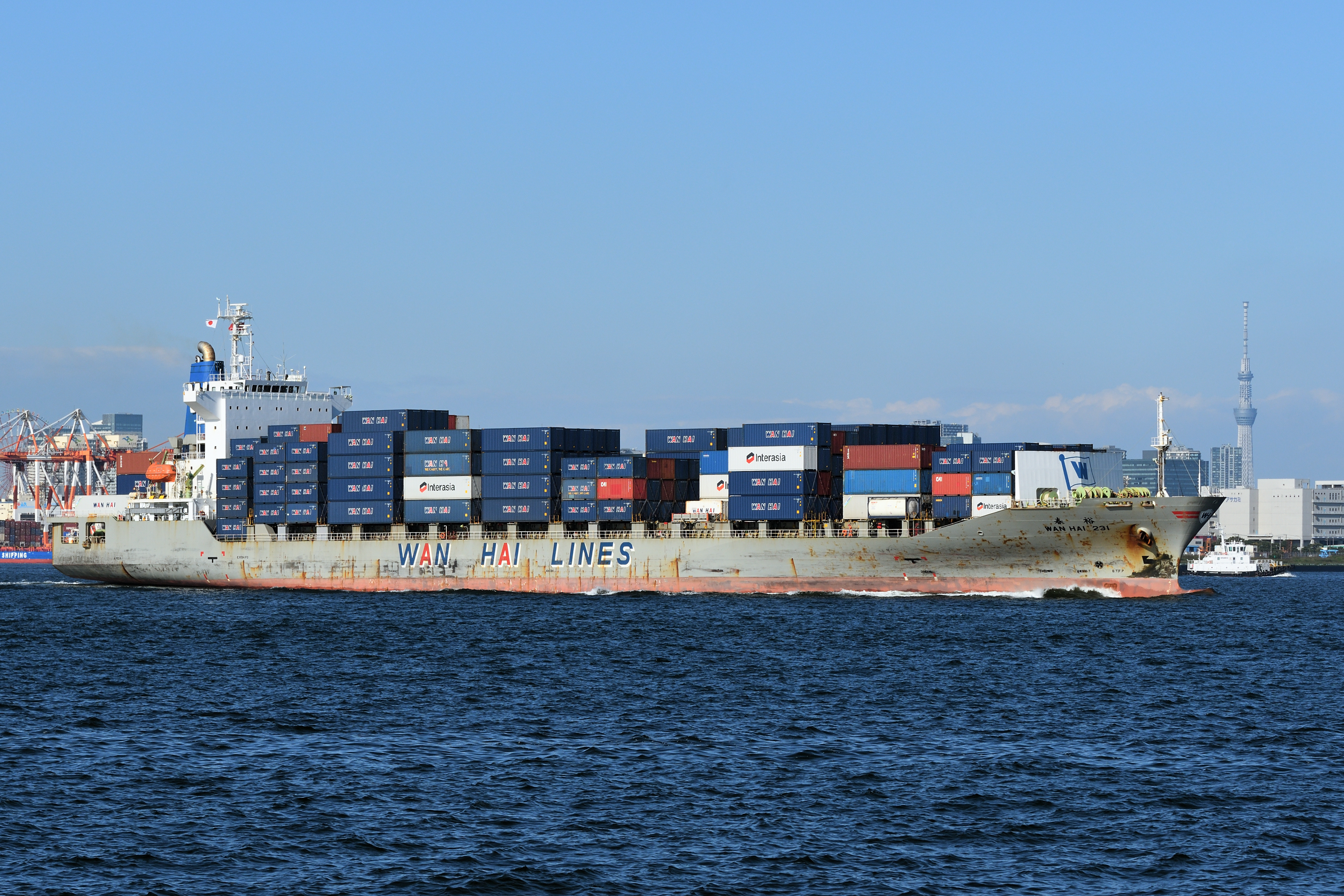
No status change for days. No heads-up when a container rolls or gets stuck in transshipment. If you’re tracking Wan Hai shipments through its native system in 2025, this probably feels familiar.
With global on-time performance averaging around 51.5%, relying on carrier tracking alone has become a risky bet for many logistics teams—especially with Wan Hai ranking among the least reliable carriers at 40.4% schedule reliability.
This post outlines where Wan Hai tracking breaks down, what it means for day-to-day operations, and what practical alternatives teams are using to improve shipment visibility and response times.
Why Wan Hai Tracking Delays Happen
Delays in container tracking aren’t just about slow websites—they usually stem from structural limitations in how data flows between systems. Here’s where most issues arise with Wan Hai:
- Slow update cycles: Carrier tracking typically refreshes only a few times per day, delaying visibility across milestones.
- Transshipment blind zones: When shipments transfer vessels, tracking is often paused or inconsistent.
- Single-container focus: Container number-based tracking lacks broader context—B/L-level tracking usually captures more.
- Lag in API sync: External systems connected to Wan Hai’s API may still experience 6–12 hour delays in data propagation.
These problems affect more than just visibility—they slow down customer service, planning, and exception response.
Immediate Workarounds for Wan Hai Tracking Delays
- Use Master B/L instead of container number: You’ll often get a more complete view of container movements and event history.
- Enable basic alerts via the carrier portal: While limited, email updates can reduce the need to manually refresh tracking pages.
- Cross-check with AIS tracking: Use TRADLINX or another AIS-enabled tool to monitor vessel movement while containers are mid-transit.
If you’re managing multiple bookings or need more timely data, these fixes may not scale—but they can help in the short term.
Why Real-Time Visibility Matters (By the Numbers)
- 69% of logistics professionals cite delayed tracking as the top source of operational friction. (Freightos, 2024)
- 5+ hours/week per team member are lost manually chasing shipment updates. (Gartner SCM Pulse, 2023)
- 32% fewer customer complaints and 3.5x faster issue resolution with real-time tracking. (project44, 2024)
- 12–18% cost savings for teams using automated visibility platforms. (McKinsey, 2023)
These numbers confirm what many operators already feel—manual tracking isn’t just inefficient, it’s costly. That’s why more teams are switching to unified, automated visibility tools.
When Built-In Tracking Isn’t Enough
Wan Hai’s platform works for checking individual container events—but for managing multiple shipments across ports, clients, and teams, that’s rarely enough. Here’s how advanced tracking platforms fill the gaps.
| Tracking Issue | Operational Impact | How It’s Solved |
|---|---|---|
| Slow updates from Wan Hai | Gaps between port events, delayed exception alerts | Real-time syncing from AIS + carrier systems |
| Missed transshipment status | Unclear container location during key transitions | Full B/L-level continuity and vessel tracking |
| Too many tools | Fragmented container, vessel, and B/L checks | Single dashboard across all identifiers |
| Client status requests | Manual screenshots, emails, and delays | Branded live links and tracking widgets |
| No performance analytics | Hard to spot recurring delay patterns | Route-level analytics by port, carrier, and delay reason |
This kind of visibility enables teams to respond faster, reduce communication delays, and plan more effectively across teams and clients.
How High-Volume Teams Are Solving These Issues
For logistics teams handling dozens of shipments weekly, visibility gaps create cumulative inefficiencies. That’s why many are adopting platforms like TRADLINX Ocean Visibility to streamline operations, reduce firefighting, and enhance transparency.
- Multi-layer tracking: Combine container, vessel, and B/L status in one place
- Predictive insights: AI-based ETA forecasts and delay alerts
- Automated sharing: Generate branded live updates for internal teams or customers
- Scale with volume: Track 10, 50, or 200+ shipments without platform switching
The goal isn’t just faster tracking—it’s smarter planning and fewer blind spots across your logistics network.
Summary: What to Do When Wan Hai Tracking Falls Short
If you’re managing logistics through Wan Hai’s default tracking, here’s a quick reference for what to try—depending on what’s slowing you down:
| Problem | Why It Happens | Recommended Fix |
|---|---|---|
| Updates delayed or inconsistent | Limited refresh cycles + transshipment delays | Use Master B/L or upgrade to real-time AIS tracking |
| Time spent on manual updates | No alerts or shareable links | Switch to tools with automated alerts + live pages |
| Disruptions in planning | No predictive ETAs or congestion visibility | Enable AI-based ETA models with port delay data |
| Too many systems to check | Separate container, vessel, and document tracking | Unify shipment data under one platform |
More forwarders are finding that unified visibility doesn’t just reduce headaches—it’s a competitive advantage in today’s complex shipping landscape.
Why overpay for visibility? TRADLINX saves you 40% with transparent per–Master B/L pricing. Get 99% accuracy, 12 updates daily, and 80% ETA accuracy improvements, trusted by 83,000+ logistics teams and global leaders like Samsung and LG Chem.


Prefer email? Contact us directly at min.so@tradlinx.com (Americas) or henry.jo@tradlinx.com (EMEA/Asia)




Leave a Reply