
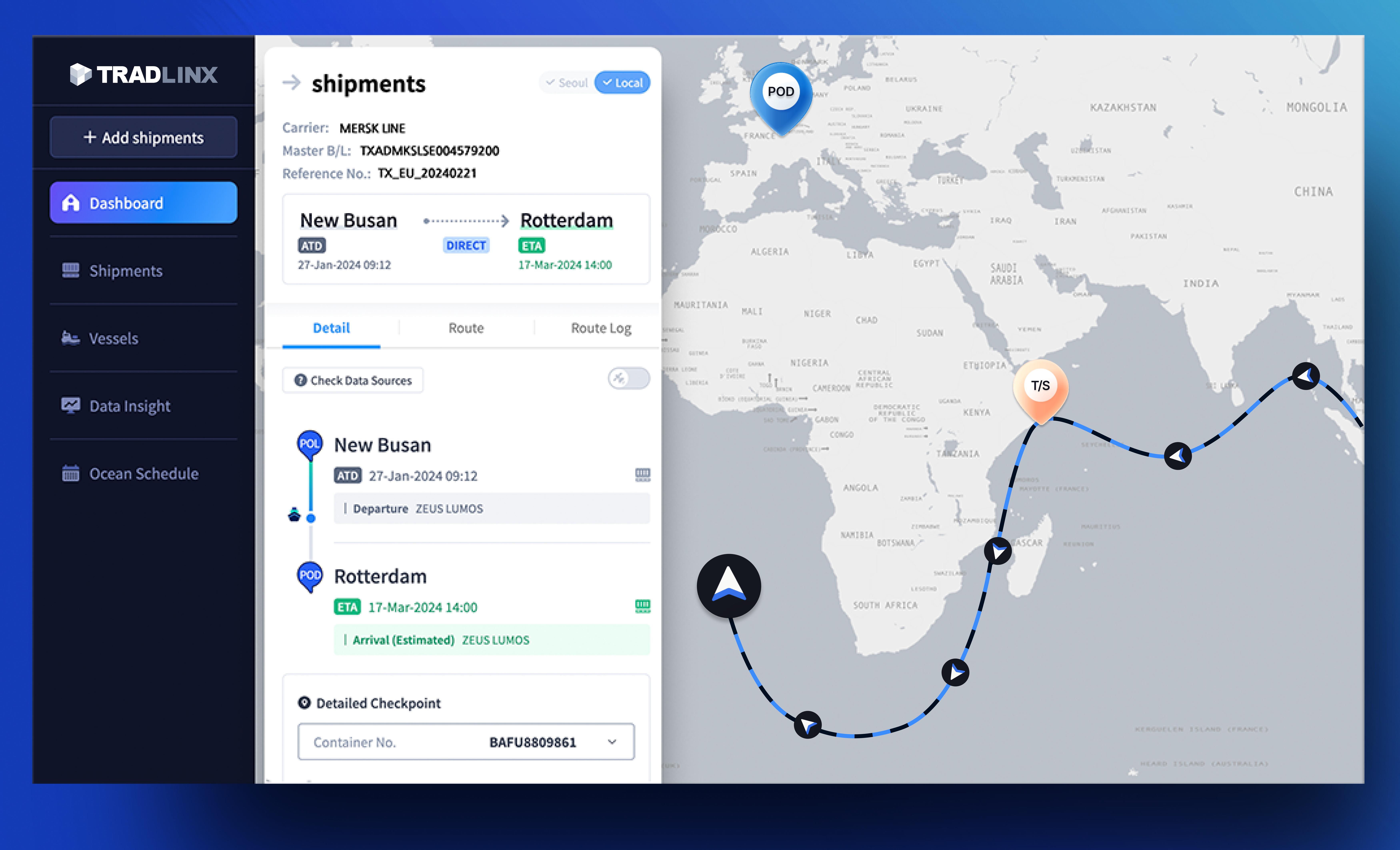
Imagine you’ve ordered something online and can’t wait for it to arrive. Naturally, you keep checking the tracking number to see where it is. Now, imagine that instead of a small package, you’re tracking an entire container of goods crossing the ocean. Knowing where it is and when it will arrive isn’t just about excitement—it’s essential for your business.

In international shipping, the most reliable way to track your shipment is by using the Master Bill of Lading (MBL). In this guide, we’ll break down what an MBL is, how it works, and why it’s your best friend when it comes to shipment tracking. Whether you’re new to shipping or just looking for clarity, this guide is designed to make things simple.
What is a Master Bill of Lading (MBL) and Why Does It Matter?
Think of the Master Bill of Lading (MBL) as the supercharged tracking number for your shipment. It’s like the receipt, contract, and GPS all rolled into one document.
Definition: The MBL is a crucial document issued by the shipping company (the carrier). It acts as a detailed receipt for everything in your shipment and serves as a contract between you (the shipper) and the carrier.
Why It Matters
- Contract: The MBL is a binding agreement that outlines the terms of your shipment’s transportation, including where it’s going, who’s involved, and what’s being shipped.
- Tracking: The MBL number is your key to unlocking real-time tracking information. It’s like a magic code that tells you exactly where your shipment is, no matter where it is on its journey.

How to Use Your MBL for Shipment Tracking
Step-by-Step Guide
- Find Your MBL: Just like you’d look for a tracking number after making an online purchase, you’ll need to find your MBL number. This is usually provided by the shipping company or your freight forwarder when your shipment is booked. Think of it as your shipment’s passport number.
- Enter the MBL Number in Our Tracking System: Once you’ve got your MBL number, log into our platform and enter it into the tracking field. This will instantly pull up all the current information about your shipment, just like how entering a tracking number tells you where your package is.
- Understand the Tracking Information: When you enter your MBL, you’ll see details like the current location of your shipment, estimated arrival times, and any updates along the way. This is your real-time window into where your goods are and how they’re doing.

Common Mistakes and How to Avoid Them
- Mistake 1: Using the Wrong Identifier
Sometimes, people accidentally use the wrong identifier, like a booking number or House Bill of Lading (HBL), instead of the MBL. - Solution: If you have one in hand, it’s always better to use the MBL for tracking. It’s the most reliable and gives you the most accurate information. Think of it as using the right key for the right lock.
- Mistake 2: Misplacing Your MBL
Losing track of your MBL can cause unnecessary stress, just like losing a tracking number for an important package. - Solution: Save your MBL number digitally or write it down in a secure place, just like you would with an important password or travel document.
Where to Find Your MBL and What It Looks Like
Where to Get It
- From Your Carrier: The MBL is typically issued by the shipping company once your goods are loaded onto the vessel. It’s like getting a boarding pass for your shipment.
- From Your Freight Forwarder: If you’re working with a freight forwarder, they might provide you with the MBL as part of your shipping documents.
What It Looks Like
- Key Details: A typical MBL includes crucial information such as the MBL number, details of the shipper, consignee, vessel, and cargo.


Why the MBL is Your Best Friend in Shipment Tracking
Just like you wouldn’t go on a road trip without a GPS, the MBL is your guide to knowing where your shipment is and when it will arrive.
Benefits
- Real-Time Updates: With the MBL, you can get the most accurate, up-to-date information about your shipment’s journey, helping you stay on top of your logistics.
- Peace of Mind: Knowing exactly where your shipment is and when it will arrive means fewer worries and more control over your business.
Your Next Move: Make the MBL your go-to tool for tracking. Keep it handy and use it to check on your shipment anytime you need.
Simplify Your Shipping Experience with MBL
In a Nutshell: Using the MBL is the easiest and most effective way to track your shipments. It’s your all-in-one tool for staying informed and in control.
Next Steps: Ready to track your shipment? Log into our platform, enter your MBL, and experience the ease of real-time tracking today.




Leave a Reply