
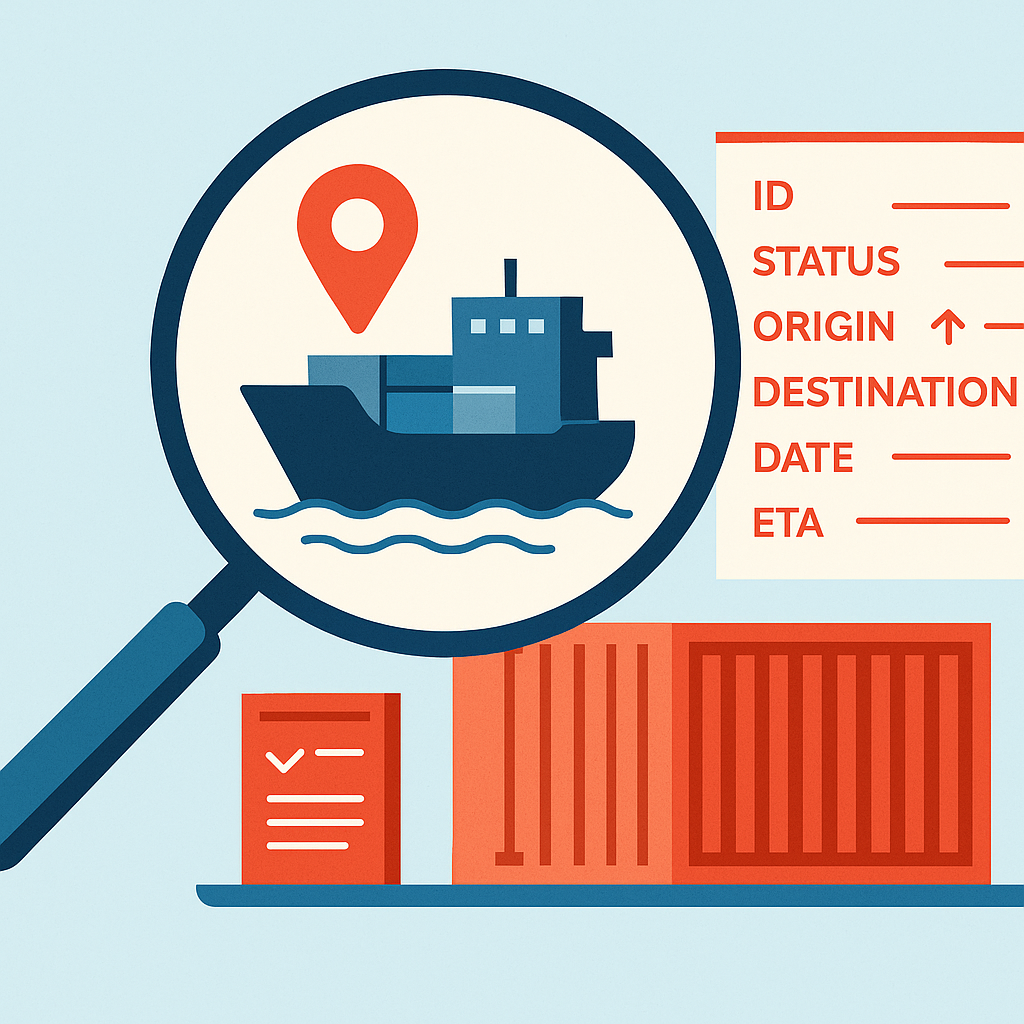
Shipment visibility is no longer optional—it’s essential. But with dozens of tracking software options on the market, from premium all-in-one platforms to niche tools, how do you know what’s right for your business? And do you really need everything they’re selling?
This post walks you through the key questions you should ask before paying for shipment tracking software—and how to avoid bloated features, hidden costs, and find a solution that truly matches your operational needs.
What to Ask Before You Pay for Shipment Tracking Software
Not all logistics operations are the same, and the right visibility solution should fit your workflows—not the other way around. Here are the key questions to guide your decision:
1. What kind of tracking do I really need?
Do you need full multimodal tracking (ocean, truck, rail, air), or is deep ocean visibility your primary concern?
2. How many shipments do I manage monthly?
Pricing can vary drastically between per-user plans and per-shipment pricing models. If you manage high-volume shipments, knowing your monthly average helps avoid unnecessary costs.
3. Do I need predictive tools or just location updates?
Basic tracking might show where your container is. But do you also need ETA predictions, congestion alerts, and exception handling?
4. Will my customers need access to this data?
Some tools offer client-facing dashboards or tracking widgets. If customer communication is key, this can be a valuable feature.
5. What’s my real budget?
Premium platforms can run into thousands monthly. Could you get better ROI from a solution that charges per Master B/L or offers modular, pay-as-you-go features?
Why These Questions Matter: Avoiding Hidden Costs
Many shipment tracking platforms look impressive at first glance—but hidden within are:
- Setup Fees: Some platforms charge thousands just to get started.
- Mandatory Features: Bundled tools for modes you don’t use (like air or rail).
- User-Based Pricing: Costs increase as your team grows, even if your shipment volume doesn’t.
- Complex Integrations: Time-consuming connections to your TMS or ERP—sometimes at extra cost.
By asking the right questions upfront, you avoid paying for features you won’t use and instead focus on tools that deliver value for your specific supply chain.
What’s Their Pricing Model—and Is It Right for You?
Pricing in the shipment visibility space isn’t just about the monthly fee—it’s about how well the pricing structure fits your operation. Ask these key questions:
- Do they charge per user, per container, or per shipment? Many platforms charge per user or container, which can quickly escalate costs—especially if you manage multi-container shipments under a single Master B/L.
- Are there hidden fees? Look out for setup charges, integration costs, or fees for adding features later.
- Does the pricing scale with your business? If your shipment volume changes month to month, you need pricing that adapts, not penalizes.
Platforms that offer flexible, shipment-based pricing can provide better value for LSPs. Here’s why it might suit you better:
- Per Master B/L Pricing: Only pay for shipments tracked—not per user or per container. If you manage multiple containers under one B/L, this can mean significant savings.
- Volume Discounts: Costs scale down as your shipment volume increases, making it efficient for growing businesses.
- No Setup Fees: Start tracking without large upfront investments or long-term commitments.
- Modular Features: Add predictive analytics, real-time widgets, or other tools as your needs evolve. You only pay for what you use.
- Pay-as-you-go Flexibility: Track shipments when you need, without being locked into rigid plans or unused features.
🔍 Key takeaway: For logistics teams focused on cost vs. output, it’s smarter to choose a pricing model that aligns with actual shipments, not software complexity.
Conclusion: Your Visibility, Your Terms
Shipment tracking doesn’t have to be one-size-fits-all. The best solution for you depends on how your business operates—and what you really need to manage better shipments, not just more software.
- Understand your key priorities: ocean, inland, customer updates, or predictive risk?
- Evaluate whether user-based or shipment-based pricing fits your growth strategy.
- Choose a platform that offers flexibility and control without locking you into high fees.
Ask the right questions, compare smart, and find the solution that puts you in charge—not your software.
Ready to explore flexible options? Tools like TRADLINX Ocean Visibility are built around shipment-based pricing and real-world logistics needs—giving you control without the complexity.

Prefer email? Contact us directly at min.so@tradlinx.com (Americas), sondre.lyndon@tradlinx.com (Europe) or henry.jo@tradlinx.com (EMEA/Asia)



Leave a Reply