
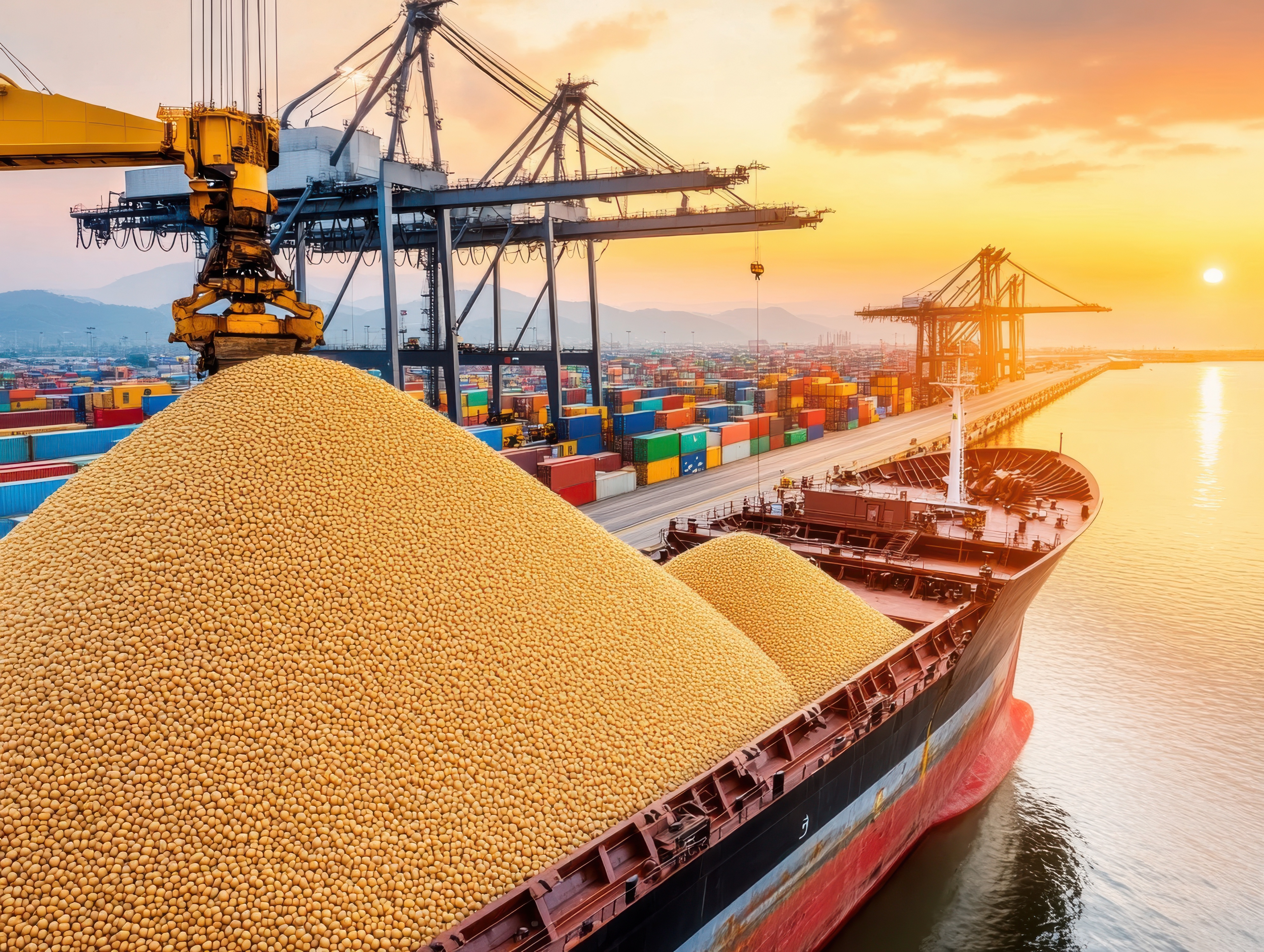
March 25 Update: U.S. Exporters Warn Port Fee Proposal Could Double Shipping Costs
As a second U.S. Trade Representative (USTR) public hearing looms on March 26, concerns are mounting across the agriculture and logistics sectors. A controversial proposal to impose port fees of up to $1.5 million on Chinese-built or operated vessels could increase shipping costs by $600 to $800 per container—effectively doubling export expenses for many U.S. products.
The March 24 hearing brought testimony from soybean growers, energy exporters, and supply chain experts who argue the fees will hurt U.S. competitiveness, disrupt agricultural supply chains, and raise prices for global buyers.
What Are the Proposed Port Fees—and Why Are Exporters Pushing Back?
The proposal, introduced under Section 301 of the Trade Act of 1974, would levy steep fees on vessels linked to China—even if only a portion of a shipping line’s fleet qualifies.
Proposed fee structure:
- $1.5 million per U.S. port call for ships built in China.
- $1 million per call for Chinese-operated vessels.
- Applies fleet-wide: if even one vessel in the fleet is Chinese-built, the surcharge applies to all ships docking at U.S. ports.
The U.S. government wants to reduce reliance on Chinese shipbuilding and redirect trade to U.S.-built vessels. But agricultural and energy shippers warn that no U.S.-built bulk vessels exist to replace the current fleet—making compliance impossible and exports uncompetitive.
📌 “We’re looking at a doubling of our transport costs, with no viable alternative in the market,” said one exporter testifying before the USTR panel on March 24.
3. Why Agricultural Shippers Are Alarmed
The U.S. agricultural sector—particularly soybean, corn, and wheat exporters—relies heavily on competitively priced container and bulk shipping. The proposed port fees threaten that foundation. According to the American Soybean Association, the additional $600–$800 per container cost would directly cut into profit margins and make U.S. crops less competitive in global markets.
Bulk exporters have voiced an even deeper concern: there are currently no U.S.-built vessels capable of handling major agricultural shipments. This forces shippers to rely on foreign-built tonnage—often from China. Under the proposal, that means every port call could trigger a penalty, regardless of available alternatives.
- High volume, low-margin exports like grain can’t absorb large fee increases.
- Bulk ag shippers have no access to compliant U.S.-built vessels.
- Potential market share loss to Brazil, Argentina, and Ukraine.
Farm groups and trade organizations testified at the March 24 hearing that this move could cause long-term damage to U.S. ag export competitiveness if implemented without alternatives.
4. What We Heard at the March 24 Hearing—and What’s Next
During the March 24 public hearing in Washington, over 50 industry stakeholders delivered testimony to the USTR. Witnesses included representatives from farming cooperatives, shipping alliances, freight forwarders, and port authorities. The core message: the proposed fees are unworkable and economically harmful.
- Logistics Disruption: Smaller ports may lose vessel calls as carriers consolidate to avoid penalties.
- Export Bottlenecks: No domestic vessels are available to replace Chinese-built tonnage.
- Competitiveness at Risk: U.S. goods may be priced out of global markets.
The hearing adjourned without a final decision. However, a second session is scheduled for March 26, where additional testimony will be heard. According to the U.S. Trade Representative (USTR), a decision could follow within weeks, pending further internal review and public comment.
5. Real-World Impact: Who’s Already Affected
Exporters in agriculture, energy, and manufacturing are already feeling the ripple effects. Shipping costs for key U.S. exports—coal, LNG, soybeans, and wheat—are projected to rise by $600–$800 per container. That figure effectively doubles logistics costs for many exporters, particularly those using long-haul or transpacific routes.
Small- and mid-sized agricultural exporters are particularly vulnerable. With little pricing power and thin margins, they risk being priced out of foreign markets if costs spike abruptly. Trade groups also warn of potential shipment delays or cancellations as shipping lines re-evaluate port calls under the looming fee structure.
- Coal exports: U.S. coal exporters anticipate rerouting through Canadian ports to avoid fees.
- Agricultural shippers: Some exporters are reporting canceled or re-negotiated contracts due to uncertainty.
- Small ports: Regional ports risk losing vessel traffic as carriers seek fewer, more cost-effective calls.
6. What LSPs and Exporters Should Do Now
For logistics service providers and export-oriented shippers, this is a critical moment to strengthen resilience. While the final outcome of the U.S. proposal is still pending, proactive steps can help mitigate disruption and contain cost exposure.
- Scenario Planning: Model multiple routing and cost scenarios, including Canadian and Mexican transshipment options.
- FTZ and Bonded Warehousing: Consider customs strategies to delay or minimize tariff liabilities on in-transit goods.
- Carrier Communication: Stay in close contact with ocean carriers to understand their service plans and vessel deployment updates.
- Visibility Tools: Leverage real-time tracking tools like TRADLINX to monitor container and vessel status and adapt logistics plans quickly.
By planning now and staying agile, LSPs and exporters can reduce exposure to uncertainty and ensure their cargo moves efficiently—regardless of shifting trade policy outcomes.
7. Common Questions About the Proposed Tariffs on Chinese Ships
How much could shipping costs increase due to the proposed U.S. port fees?
Industry estimates suggest container shipping costs could rise by $600–$800 per container, effectively doubling costs for key exports like coal, LNG, and agricultural products.
Which sectors are most affected by these proposed tariffs?
Agriculture (soybeans, wheat, corn), energy (coal, LNG), and manufacturing are among the most exposed sectors due to their heavy reliance on ocean shipping.
Are any mitigation strategies available for exporters?
Yes. Exporters are exploring bonded warehousing, Foreign Trade Zones (FTZs), and alternative routing through Canada and Mexico. Enhanced tracking tools and dynamic freight contracting also help minimize disruption.
When will the final decision on the port fees be made?
Public hearings were held on March 24 and March 26, 2025. A decision from the U.S. Trade Representative is expected shortly after the conclusion of the consultation period.
Why is the agriculture sector particularly vulnerable?
Unlike some sectors that can pass costs downstream, agricultural exporters operate on thin margins and often lack flexibility in shipping mode or timing, making them more sensitive to rising ocean freight costs.
Prefer email? Contact us directly at min.so@tradlinx.com (Americas), sondre.lyndon@tradlinx.com (Europe) or henry.jo@tradlinx.com (EMEA/Asia)


Leave a Reply