
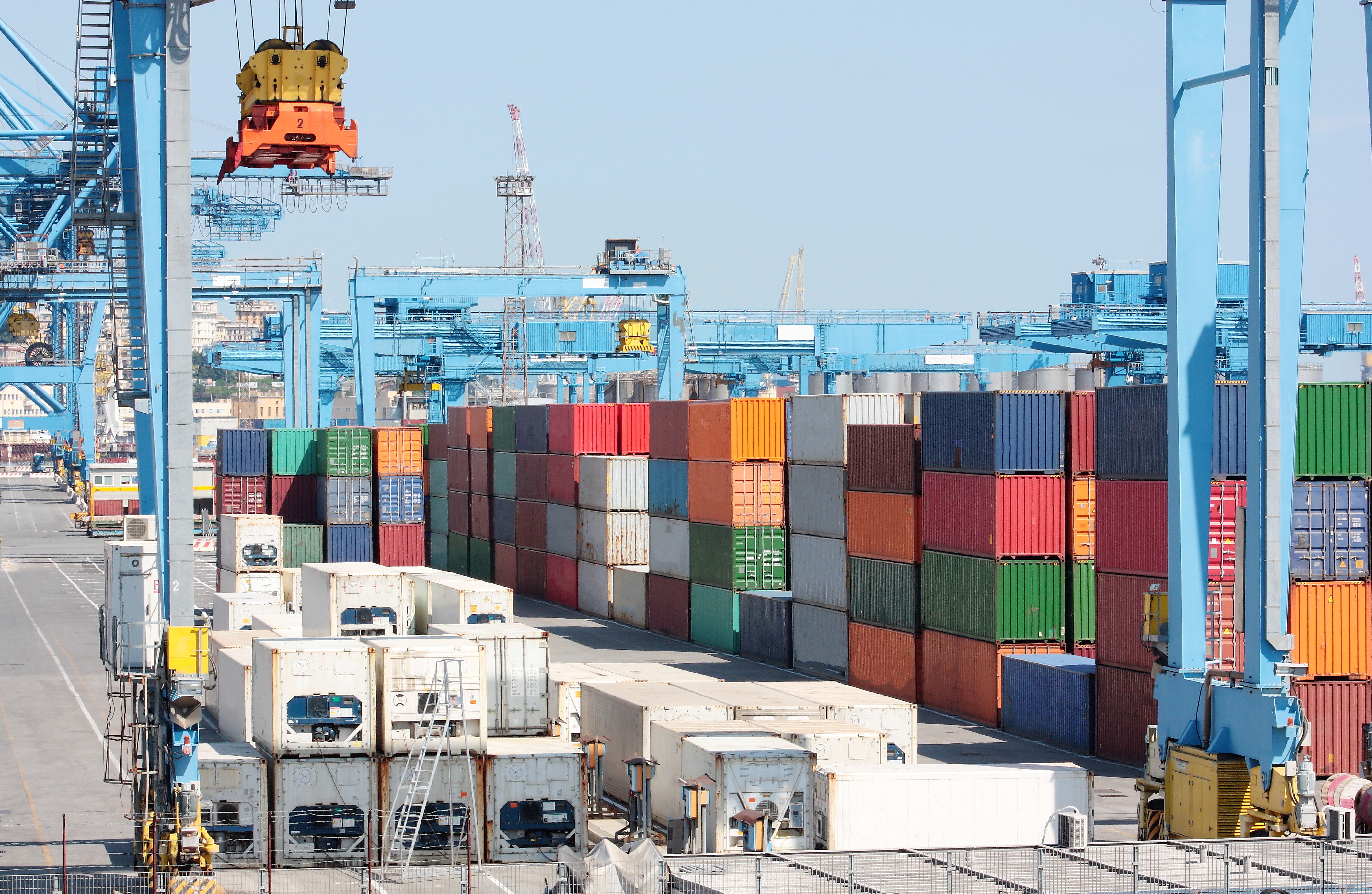
In today’s rapidly evolving world of global trade, the clash between automation and labor is intensifying, particularly in the high-stakes environment of port operations. Ports—where logistics, labor, and technology meet—are becoming ground zero for the debate on how much human labor can (or should) be replaced by automation. The outcome of this battle will shape the future of global supply chains.
The Rise of Automation in Ports
Automation in port operations has grown exponentially in recent years. From automated cranes to self-driving trucks, ports are increasingly turning to technology to improve efficiency, reduce costs, and manage growing container volumes. Automated systems promise faster turnaround times for ships, reduced errors in cargo handling, and minimized downtime—all critical in an industry that operates 24/7.
For example, major ports in Europe, such as the Port of Rotterdam, have embraced full-scale automation, utilizing robotic cranes and AI-powered systems to move containers seamlessly. Proponents of automation argue that it is the future—boosting productivity, lowering operational costs, and reducing human error.
But what about the workers who keep these ports running?

The Human Cost of Automation
For dockworkers, automation presents a direct threat to job security. With machines capable of performing tasks once handled by human workers, unions like the International Longshoremen’s Association (ILA) are increasingly concerned about the role of human labor in the future of port operations. Strikes, such as the one that has been dominating the news lately, often hinge on this very issue—how to balance technological advancement with human employment.
The fear is real: full automation could lead to massive job losses in an industry that has historically provided stable, well-paying jobs. The ILA’s demand for job protections in the face of automation reflects a wider concern—can technology and labor coexist without one completely overtaking the other?
Striking a Balance: Is There a Middle Ground?
The question now is whether ports can find a balance between automation and labor, creating an environment where technology enhances the work of human employees rather than replacing them. Some industry leaders advocate for a hybrid model where automation handles repetitive, high-risk tasks, allowing human workers to focus on oversight, decision-making, and customer relations.
Port authorities and governments may need to intervene, developing policies that ensure automation improves efficiency without sidelining the workforce. Investments in retraining programs and new job roles centered around overseeing automated systems could be key to a more balanced future.

The Future of Port Operations
As ports continue to evolve, the balance between automation and labor will define the future of global trade. While automation offers undeniable advantages in terms of efficiency and cost savings, human labor brings flexibility, adaptability, and critical problem-solving skills that machines cannot yet replicate.
For port operators, the challenge will be finding ways to integrate advanced technology without causing widespread job losses, and for workers, the focus must shift toward learning new skills that can complement automation, not compete with it.
The Takeaway: Opportunity or Threat?
The automation debate is far from settled. But one thing is clear: the ports of tomorrow will look drastically different from those of today. Whether this shift is seen as an opportunity for innovation or a threat to livelihoods depends on how the industry adapts to these challenges—and how we, as a global community, decide to balance technological progress with human value.





Leave a Reply to Mary StillCancel reply