
In today’s global market, the ability to transport perishable goods across continents without losing their freshness or efficacy is nothing short of miraculous. Central to this feat is the cold chain – a temperature-controlled supply chain that ensures the safe transportation of temperature-sensitive products. From farm-fresh produce to life-saving vaccines, cold chain logistics play a pivotal role in our daily lives and the global economy.
What is Cold Chain Transportation?
Cold chain transportation refers to the process of moving temperature-sensitive goods through a controlled supply chain. Effective cold chain logistics are crucial for preventing product spoilage, ensuring goods arrive in perfect condition. This system relies heavily on refrigerated shipping containers, specialized vehicles, and advanced monitoring technologies to maintain specific temperature ranges throughout transit.
Essential Equipment in Cold Chain Logistics
Refrigerated Shipping Containers (Reefers)
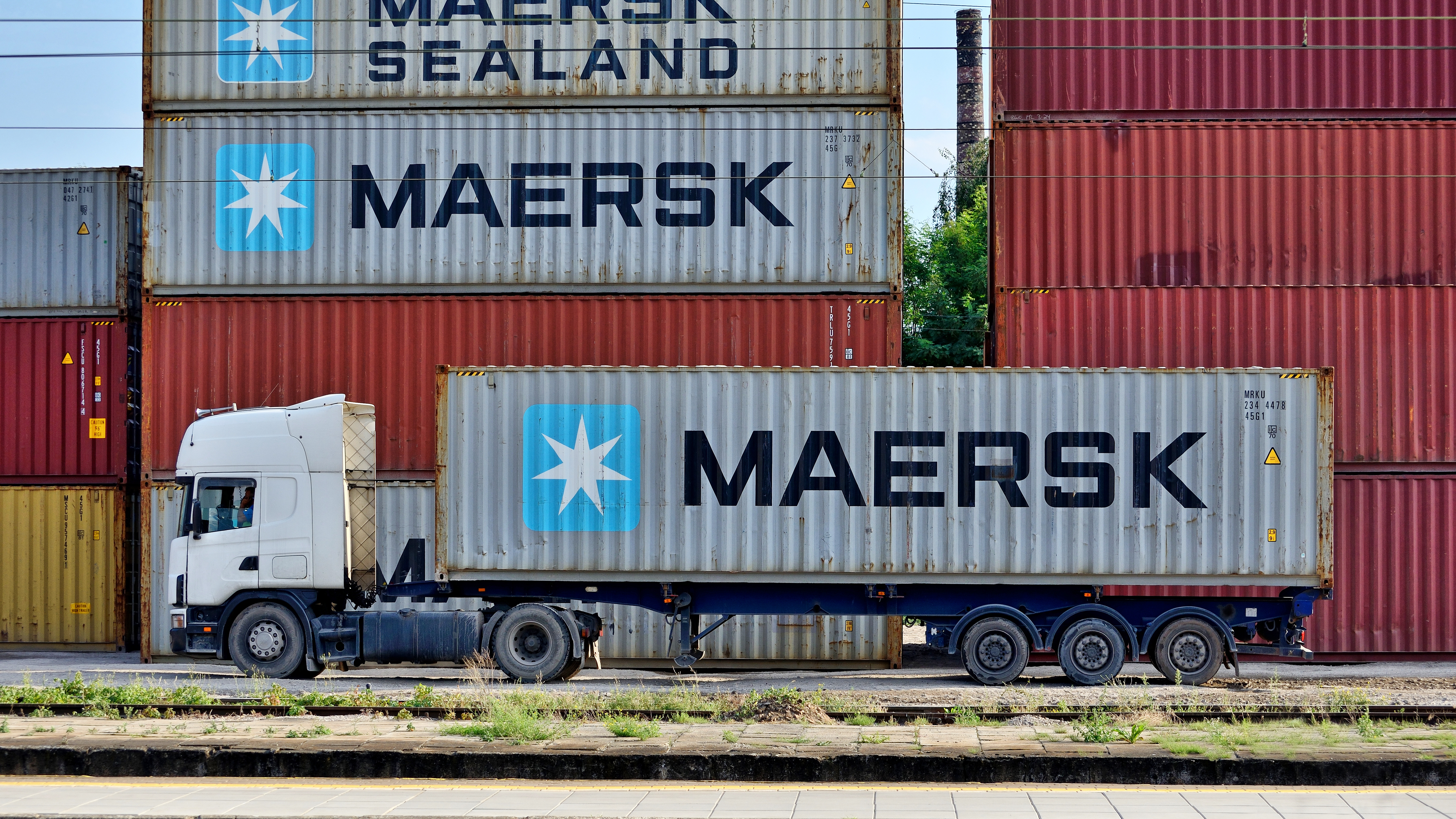
These specialized containers are equipped with refrigeration units that control the interior temperature, making them ideal for transporting food products, pharmaceuticals, and other perishable goods across vast distances.

Refrigerated Trucks and Vans
For land transport, refrigerated trucks and vans play a crucial role. They are outfitted with cooling systems to keep goods at the required temperatures during shorter journeys or final delivery stages.
Cold Storage Facilities
Strategically located cold storage facilities are essential for maintaining the cold chain during transit breaks or before final delivery. These warehouses offer various temperature zones to accommodate different products’ needs.
Temperature Monitoring Devices
Advanced sensors and IoT devices monitor the temperature and humidity levels inside containers in real-time, ensuring goods remain within safe parameters throughout their journey.
Real-World Application: Vaccine Distribution During the COVID-19 Pandemic
One of the most notable applications of cold chain logistics in recent times was the global distribution of COVID-19 vaccines, some of which required storage at ultra-low temperatures. For example, the Pfizer-BioNTech vaccine needed to be kept at -70°C, a challenge that necessitated the use of dry ice and ultra-cold freezers. The successful global rollout underscored the importance of a robust cold chain infrastructure and innovative solutions like GPS-enabled temperature monitoring devices and thermal packaging.

The Future of Cold Chain Logistics
As the demand for fresh goods and temperature-sensitive pharmaceuticals continues to grow, the cold chain industry is poised for further innovation. Future trends include the integration of AI and machine learning for predictive analytics, blockchain for enhanced traceability, and eco-friendly technologies to reduce the environmental impact of cold chain operations.
Conclusion
Cold chain logistics is an unsung hero in our globalized world, ensuring that the food we eat, the medicine we rely on, and the vaccines that protect us remain safe and effective from origin to destination. As technology advances, the cold chain will continue to evolve, becoming more efficient, sustainable, and crucial to global trade.
TRADLINX Ocean Visibility revolutionizes supply chain operations with its Ocean Visibility features, offering real-time shipment tracking, predictive analytics for lead times, and seamless management tools for freight forwarders and shippers worldwide.




Leave a Reply