
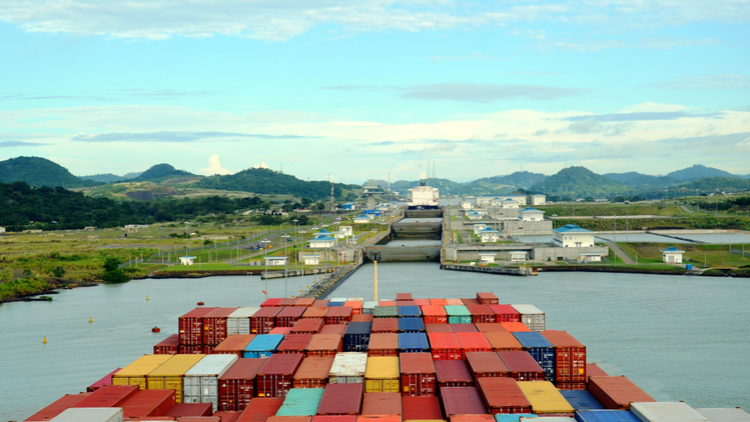
In the heart of Central America lies the Panama Canal, an engineering marvel that has dramatically transformed global trade since its inauguration in 1914. By providing a shortcut between the Atlantic and Pacific oceans, the canal has reshaped the economics of shipping and trade, making it easier, faster, and cheaper to move goods around the world. This deep dive explores the canal’s profound impact on commerce, economies, and global trade patterns.
The Birth of the Canal
The concept of a waterway cutting through the Isthmus of Panama has intrigued explorers since the 1500s, but it wasn’t until the early 20th century that this vision was realized. The completion of the Panama Canal overcame enormous geographical and technical challenges, offering a direct route for maritime trade and significantly reducing the journey for shipping vessels.
Slashing Shipping Times and Costs
Before the canal, ships traveling between the east and west coasts of the Americas faced a lengthy and hazardous journey around Cape Horn, South America’s southern tip. The canal cut this journey by thousands of miles, reducing fuel consumption and voyage times significantly. This efficiency gain translated into lower shipping costs, benefiting economies worldwide by making goods more affordable and accessible.
The volume of cargo that passes through the Panama Canal varies annually, but recent years have seen significant amounts. As of my last update in April 2023, the canal facilitates the movement of approximately 14,000 vessels each year, handling over 500 million Panama Canal Universal Measurement System (PC/UMS) tons of cargo. This measurement reflects the canal’s capacity and the global reliance on this critical maritime route for the efficient transportation of goods.

Boosting Global Trade
The strategic importance of the Panama Canal in global trade cannot be overstated. It has been particularly crucial for the economic relations between the eastern coast of the United States and Asia, significantly reducing the time and cost of shipping goods. Similarly, European countries have enjoyed faster and more economical access to markets in the Pacific and along the western Americas. The canal has enabled smaller nations to participate more fully in global trade, contributing to economic diversity and growth.
Economic Impacts and Opportunities
1. Impact on Latin America
The Panama Canal has spurred economic development within Latin America, particularly in Panama itself. The revenue generated from canal tolls has funded infrastructure projects, social programs, and economic development initiatives, boosting the region’s economy.
2. Benefits for the United States and Europe
For the United States, the canal has been a strategic asset, enhancing the country’s naval mobility and commercial shipping efficiency. European countries have similarly benefited from reduced shipping times to Asian and American markets, bolstering trade and economic ties.
3. Asia’s Gateway to the Americas
Asian economies have seen tremendous growth partly due to the improved access to American markets provided by the Panama Canal. It has enabled faster and more cost-effective shipping routes, supporting Asia’s position as a global manufacturing powerhouse.

The Canal Today: Modern Upgrades and Global Commerce
Recognizing the ever-evolving demands of global trade, the Panama Canal underwent a significant expansion completed in 2016. This expansion allows the passage of larger vessels, further enhancing the canal’s capacity and efficiency. The upgrade ensures the Panama Canal remains a critical component of global commerce, ready to meet future challenges and opportunities.
Since 2023, the Panama Canal has faced operational challenges due to a severe drought, exacerbated by El Niño and climate change, leading to the lowest water levels in Gatun Lake in decades. This situation forced the Panama Canal Authority to reduce the number of daily ship transits significantly, from an average of 38 to as low as 24, causing delays and prompting some ships to seek alternative routes. The drought represents a significant concern for global trade, emphasizing the critical link between climate conditions and maritime logistics

Conclusion
The Panama Canal’s role in revolutionizing global trade is undeniable. By reducing travel time and costs, it has made the world a smaller place, facilitating the smooth flow of goods across continents. Its economic impact extends far beyond its shores, influencing trade patterns, economic policies, and international relations worldwide. As we look to the future, the canal’s continued adaptation and improvement will undoubtedly play a pivotal role in shaping the future of global commerce.



Leave a Reply