
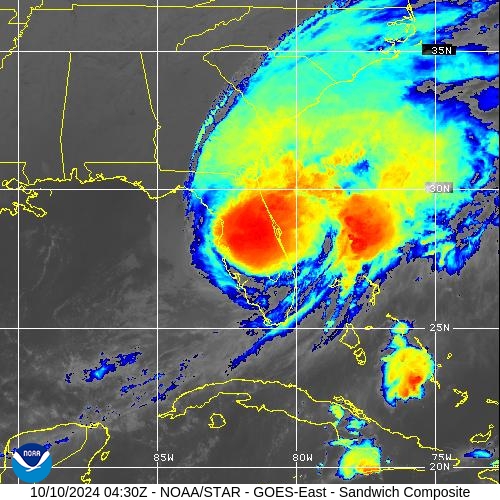
As Hurricane Milton made landfall in Florida, logistics service providers (LSPs) are already feeling the strain. Major ports are closed, transportation is disrupted, and supply chains are facing significant challenges. Here’s what you need to know—and how you can respond effectively.
Key Impacts on Logistics
1. Port Closures
- Affected Ports: Major Florida ports like Port Tampa Bay, Port Everglades, and Port Miami temporarily ceased operations. Expect delays in cargo moving through these critical hubs.
- Action: If you have shipments in or out of Florida, prepare for potential backlogs once ports reopen.
2. Transportation Disruptions
- Road Closures & Flooding: Severe flooding is making ground transportation unreliable across the state, impacting last-mile deliveries.
- Action: Assess your ground transportation options and consider rerouting shipments through unaffected regions.
3. Warehouse & Distribution Center Flooding
- Inventory Risk: Warehouses along Florida’s Gulf Coast may face significant flooding, putting stored inventory at risk.
- Action: Communicate with clients about potential delays and explore alternative storage facilities.
4. Power Outages
- Impact: Over 1.9 million customers are without power, potentially delaying communication and coordination efforts.
- Action: Ensure backup power solutions and clear communication channels to minimize downtime.
What Can LSPs Do Right Now?
- Reroute Shipments
Work with your transportation partners to reroute shipments away from impacted ports and roads. Air freight or alternative trucking routes may offer solutions. - Proactively Communicate
Keep your clients informed about expected delays. Timely updates will manage their expectations and help maintain trust. - Check on Warehousing
If your operations rely on Florida-based storage, assess damage quickly and coordinate with partners to find backup facilities. - Leverage Technology
Use real-time tracking systems, like TRADLINX Ocean Visibility, to monitor shipment progress and provide clients with updates on delays or disruptions.
Recovery Efforts Underway
Thousands of federal responders are already on the ground in Florida, and operations will likely take weeks to normalize. For LSPs, short-term contingency plans and long-term recovery strategies are both critical.
- Federal Aid: Emergency teams and Coast Guard personnel are assisting with the response, but infrastructure repairs will take time.
- Supply Chain Resilience: Now is the time to review your disaster preparedness and build more flexibility into your supply chain.
Looking Ahead
While Hurricane Milton’s immediate impact is clear, it also serves as a reminder: supply chains must be resilient in the face of natural disasters. LSPs who build agility into their operations will better navigate these challenges and maintain customer confidence.
As you work through the aftermath of this storm, remember to communicate clearly with clients, adapt your operations as needed, and use technology to stay ahead of disruptions.

Don’t let supply chain disruptions catch you off guard. Explore how TRADLINX Ocean Visibility can help you track shipments in real time and optimize your logistics.
Leave a Reply