
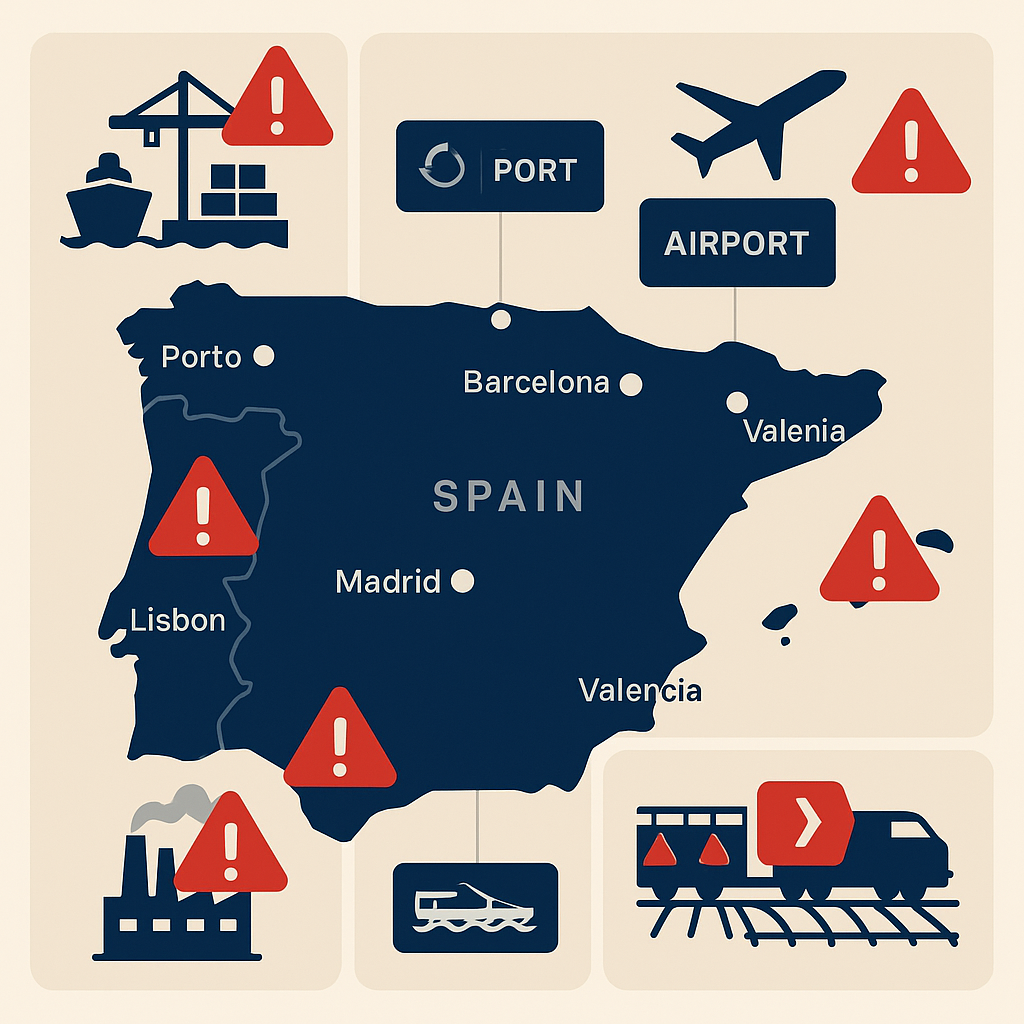
Latest Developments: Spain and Portugal Power Outage (as of April 29, 2025)
On April 28, 2025, a massive and unprecedented power outage struck Spain, Portugal, and parts of southwestern France and Andorra, beginning around 12:30 p.m. local time in Spain (11:30 a.m. in Portugal). This blackout affected millions, halting metro systems, grounding flights, disrupting telecommunications, and impacting critical infrastructure across the region.
Key Initial Impacts:
- Transportation shutdowns: Metros in Madrid, Barcelona, and Lisbon stopped; airports faced flight cancellations and diversions.
- Telecommunications outages: Mobile networks and internet services disrupted across major cities.
- Healthcare strain: Hospitals operated on backup generators; non-urgent surgeries canceled.
- City disruptions: Traffic lights failed, causing congestion and accidents; elevators stalled; schools closed.
Notably, the Balearic Islands, Canary Islands, Ceuta, and Melilla remained unaffected due to their independent grids.
Restoration Efforts and Cause Investigation
Restoration Status:
- Spain: About 50% of electricity restored by late evening on April 28, with phased resumption prioritized for critical areas.
- Portugal: 750,000 customers regained power by nightfall; however, full restoration in rural regions could take several days.
- Transportation services: Airports and national railways are gradually resuming operations, although widespread delays continue.
Investigative Findings So Far:
- Grid Fault Suspected: A high-voltage connection between France and Spain failed, severing Spain from the broader European grid.
- Fire Incident: A fire on Alaric Mountain in France may have contributed to the infrastructure failure.
- No Evidence of Cyberattack: Authorities, including Spain’s National Intelligence Centre and Portugal’s National Cybersecurity Centre, have found no evidence of sabotage or cyber warfare as of April 29.
- Renewable Energy Grid Stability Questioned: Experts are assessing whether renewable-heavy energy loads contributed to instability, but no formal conclusions have been made.
Emergency Status: Spain has declared a national emergency, and advisories remain active for residents to limit travel and prioritize essential energy use.
Direct Impacts on Logistics and Supply Chains
The power outage has caused immediate operational disruptions across major sectors vital to supply chains:
- Refinery and Chemical Plant Shutdowns:
- Repsol’s five Spanish refineries, including the Bilbao and Tarragona facilities, halted operations.
- Dow’s Tarragona chemical complex closed, affecting plastics, fuels, and chemical exports.
- Moeve’s Algeciras and Huelva refineries also stopped operations, impacting bunker fuel supply for shipping.
- Manufacturing Disruptions:
- Automotive plants such as Ford and Iveco paused production, delaying vehicle exports and parts shipments.
- Food processing facilities halted, increasing risks of spoilage and missed export deadlines for perishables.
- Port and Trucking Delays:
- Fuel shortages disrupted trucking networks, delaying cargo movement to ports like Algeciras, Valencia, and Barcelona.
- Port operations slowed significantly as customs systems, container handling equipment, and tracking systems faced downtime.

Global Ocean Trade and Export Implications
Spain and Portugal serve as key gateways between Europe, Africa, and the Americas. The outage is generating ripple effects globally:
| Sector | Impact | Potential Ripple Effect |
|---|---|---|
| Fuel Supply | Reduced bunker fuel availability at southern European ports | Ships rerouting for refueling, increasing voyage costs |
| Chemical Exports | Dow and Repsol shutdowns halting chemical shipments | Delays for plastics, automotive, and electronics industries globally |
| Automotive Exports | Vehicle and parts export delays | Slowdowns at overseas assembly plants dependent on Iberian supply |
| Perishable Goods | Seafood, fruits, and vegetable shipments at risk of spoilage | Supply shifts to Latin American and Asian exporters |
Major shipping lines are beginning to adjust routes and schedules to compensate for the slowdowns at Spanish ports, with Mediterranean congestion expected to worsen if the situation extends beyond several days.
Supply Chain Adaptations and Immediate Responses
Despite the disruptions, logistics companies and manufacturers are deploying contingency measures:
- Alternative Routing:
- Companies like Marken (UPS Healthcare) are rerouting sensitive shipments through unaffected European hubs.
- Shipping lines are adjusting port calls to North African and Italian ports to avoid backlogs.
- Contingency Fuel Sourcing:
- Vessels are being redirected to alternative refueling locations, increasing voyage times and freight costs.
- Supplier Risk Mitigation:
- Manufacturers are prioritizing critical suppliers and diversifying sourcing to minimize parts shortages, especially in automotive and electronics industries.
- Cold Chain Emergency Measures:
- Food exporters are prioritizing backup refrigeration and expedited shipping to protect perishable cargo.
Major Brands and Their Supply Chains Impacted
Some of the world’s largest companies are already seeing direct disruptions to their supply chains:
| Sector | Major Brands Affected | Nature of Disruption |
|---|---|---|
| Automotive Manufacturing | Ford, Iveco, Volkswagen, Renault, Stellantis | Factory shutdowns; delayed exports of vehicles and parts |
| Chemicals and Petrochemicals | Dow, Repsol, Moeve | Halted production of chemicals, fuels, and industrial materials |
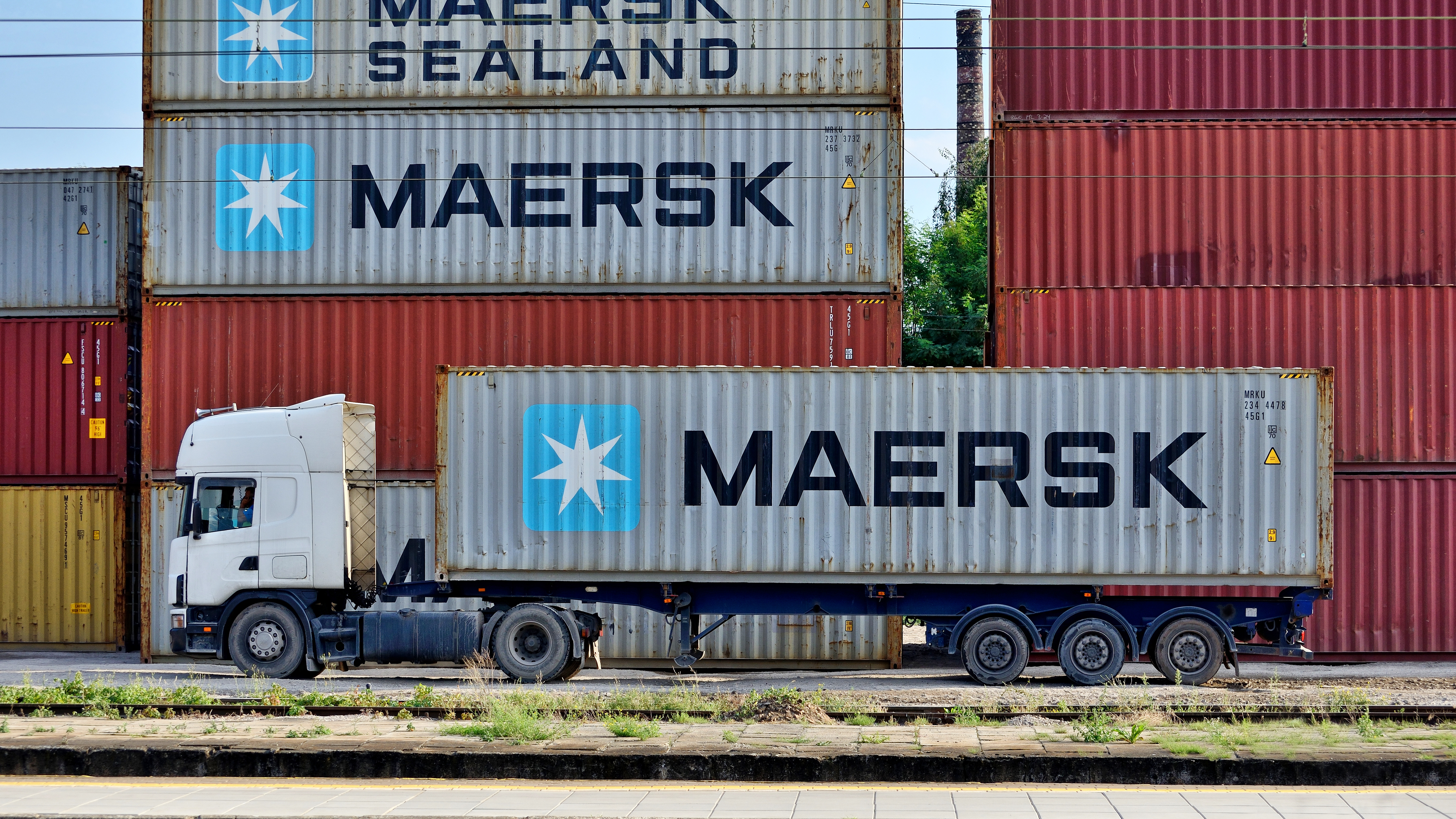
| Logistics and Freight | UPS (Marken), DHL, Maersk, CMA CGM | Delayed shipments, port backlogs, trucking bottlenecks |
| Food Production and Export | Global food exporters, supermarket supply chains | Spoilage risks, shipment delays, lost export opportunities |
| Aviation and Air Cargo | Iberia, TAP Air Portugal, Ryanair | Flight cancellations; air freight delays for critical goods |
Because Spain and Portugal are critical nodes for intra-European, Atlantic, and Mediterranean trade, these brand-level disruptions could quickly escalate into broader supply chain challenges if the outage persists.
Long-Term Risks and Concerns
Beyond immediate disruption, the Spain-Portugal blackout highlights structural vulnerabilities in global trade logistics:
- Infrastructure Reliability: Investors and logistics planners may reassess the reliability of Iberian ports, manufacturing hubs, and energy systems when making future sourcing and routing decisions.
- Grid Stability vs Renewable Energy Share: Questions are emerging about how grids with high shares of solar and wind energy can better manage fault tolerance and resilience to physical incidents.
- Supply Chain Diversification: Companies heavily reliant on Iberian manufacturing (especially automotive, chemicals, and perishables) may fast-track plans to diversify supply sources to reduce future outage risks.
- Economic Slowdown Risk: Extended or repeated outages could dampen Spain and Portugal’s GDP growth, weakening their roles as logistics hubs and trade partners.
Summary Table: Key Impacts at a Glance
| Impact Area | Immediate Effects | Potential Longer-Term Risks |
|---|---|---|
| Ports and Airports | Operational slowdowns, cargo delays, canceled flights | Loss of hub status, diversion of shipping routes |
| Manufacturing and Exports | Factory shutdowns, missed export deadlines | Supply chain diversification away from Iberia |
| Retail and Wholesale | Spoilage of perishables, stock shortages | Higher import costs, global price fluctuations |
| Energy and Infrastructure | Questions over grid resilience and backup systems | Potential dampening of investment in renewable-heavy regions |
| Global Supply Chains | Immediate shipping and sourcing disruptions | Shift toward more distributed, risk-mitigated networks |
While contingency measures have limited the worst-case outcomes so far, the blackout underlines how localized infrastructure failures can quickly ripple into global supply chain instability, adding cost and complexity for shippers, manufacturers, and consumers worldwide.

Understanding the Broader Impacts: What LSPs Are Asking
- How vulnerable are Spain and Portugal’s power grids?
The Iberian Peninsula’s grids are more isolated from continental Europe compared to other regions, making them more sensitive to local disruptions. Recent events highlight the need for upgraded redundancy measures and faster incident response protocols. - Can global ocean trade adapt to localized infrastructure outages?
Yes, but adaptation introduces extra costs. Rerouting vessels, shifting sourcing strategies, and adjusting logistics flows can mitigate risks — but they increase complexity and expense across supply chains. - Will future investment in Spanish and Portuguese logistics infrastructure slow down?
Depending on the results of ongoing investigations and future grid resilience improvements, some investors and multinational corporations may diversify risk by spreading operations across more geographies. - What industries should prioritize backup strategies after this outage?
Manufacturing, logistics, perishables exporters, chemicals, and air freight operations in Southern Europe should review contingency planning, particularly ensuring alternate ports, air hubs, and energy backup systems are available.
Sources and References
- Power begins to return after huge outage hits Spain and Portugal – Reuters
- Spain, Portugal and parts of France hit by massive power outage – Euronews
- Spain and Portugal power outage: Scramble as officials chase cause – BBC
- Spain and Portugal hit by unexplained power blackout – CNN
- Power outage hits Spain and Portugal: What happened – Al Jazeera
- Power outage hits Spanish refineries: Update 2 – Argus Media
- Marken Operational Update: Spain and Portugal Power Outage – Marken
- Widespread Power Outage Hits Spain and Portugal – New York Times
For detailed event tracking, logistics updates, and supply chain insights, continue following our coverage.
Prefer email? Contact us directly at min.so@tradlinx.com (Americas), sondre.lyndon@tradlinx.com (Europe) or henry.jo@tradlinx.com (EMEA/Asia)



Leave a Reply